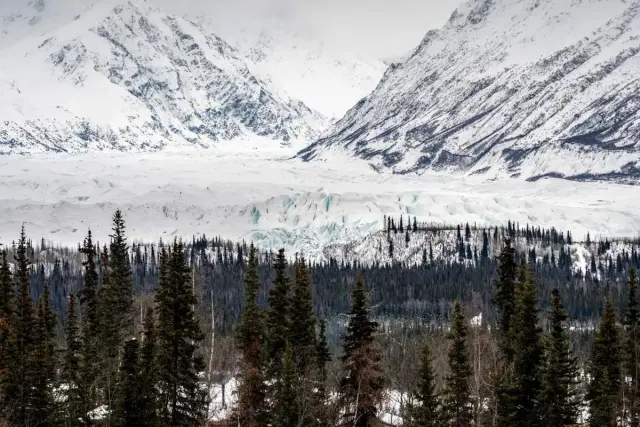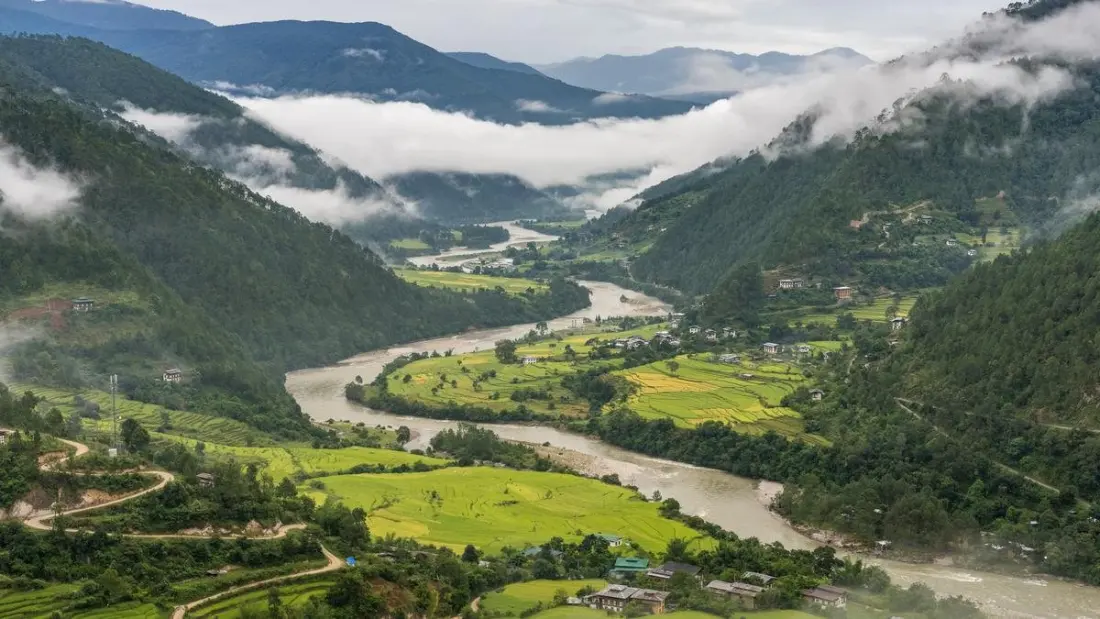
Sometimes the pitstop outshines the destination. A stop at Dochula Pass — the mountain saddle linking Bhutan's capital Thimphu with the historic former capital of Punakha — delivers the kind of views most people travel days for: the entire Himalayan range in 360-degree panorama, and on a clear day, Gangkhar Puensum, the tallest mountain on Earth that nobody has ever climbed. It tops out at 24,840 feet.
But Dochula isn't just about peak-spotting. The pass sits under one of the migration routes of the black-necked crane, an endangered bird that wings in from the Tibetan Plateau to winter in Bhutan. For birders, that alone is reason to time a trip between late October and February, when the cranes are in the valleys — with Phobjikha the most famous roosting ground. Even from the pass, the sheer scale of the flyway puts the migration in perspective: these birds cross some of the highest terrain on the planet twice a year.
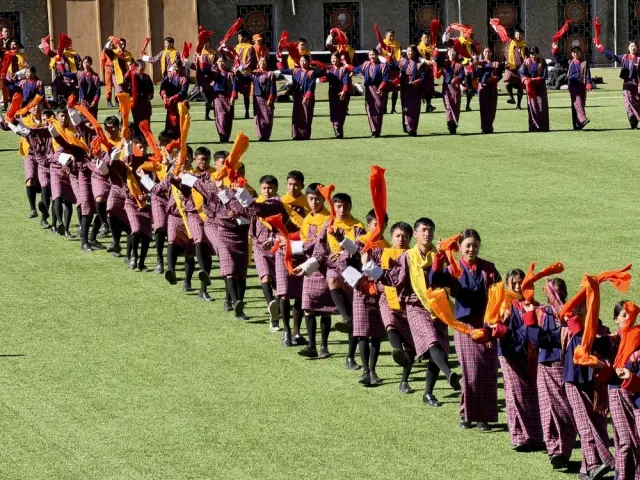
The pass sits at 10,170 feet, which is high enough to matter. A writer travelling through recently found herself winded on the short climb at the viewpoint, despite being reasonably fit — a useful reality check for anyone flying straight into Thimphu and heading over the pass the same day. Take it slowly, go with a guide who knows the pace, and the thin air is entirely manageable. Local guides, like the young woman described in the account, often lead travellers up at a gentle stroll, kira-clad and unfazed by the altitude, which helps settle first-timer nerves.
Dochula's real charm is how easily it slots into a Bhutan itinerary. Most visitors drive the Thimphu–Punakha road anyway, so the pass costs you nothing extra in planning — just factor in an hour or two. On one side, Thimphu's blend of monasteries and modern life; on the other, Punakha's gentler climate and the iconic riverside dzong. Add the Himalayan views, the 108 chortens (memorials) clustered at the top, and the possibility of crane season overhead, and it becomes one of the best-value stops in the kingdom.
Bhutan's tourism model — where a sustainable development fee applies to international visitors — keeps numbers low, which works in favour of travellers who want mountain scenery without the crowds. Come for the cranes in winter, or come for clear-sky mountain views in the autumn, but either way build Dochula into the drive between the country's two most-visited western valleys.