Dominican president Luis Abinader has issued a blunt warning to Haiti's armed gangs: cross the border and you'll face a serious response. His comments, made at a weekend press briefing, come as El Salvador prepares operations against the criminal groups that now control much of the Haitian capital.
Abinader revealed he had spoken directly with Salvadoran president Nayib Bukele about coordinating logistical and intelligence support for the anti-gang operations. The conversation follows the disappearance of four Salvadoran citizens inside Haiti, which has added to regional tensions. The Dominican Republic has already designated the Haitian gangs as terrorist organisations, and Abinader said authorities would treat any incursion attempt accordingly.
For now, the emphasis is on defence rather than intervention. The president said the Dominican Republic will not send troops into Haiti, but the Armed Forces have visibly stepped up their presence along the border — particularly the southern stretch, where gang activity is concentrated. Reinforcements include additional personnel, armoured vehicles stationed near the frontier, and surveillance by aircraft and drones. He stressed that the gangs have not approached the border so far, and there is no indication they intend to.
Asked whether the violence might trigger a new wave of migration across the border, Abinader said there are currently no signs of mass displacement. However, he noted that several gang-held positions inside Haiti are expected to come under attack in the coming operations, so the government will keep a close watch on movements near the frontier.
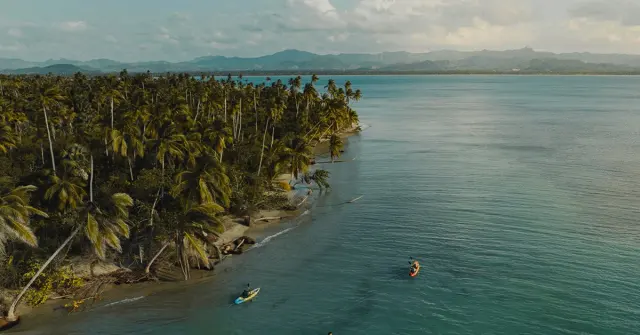
Why does this matter if you have a Dominican holiday booked? In practical terms, probably very little. The resorts of Punta Cana, Puerto Plata, La Romana and Samaná sit far from the Haitian border, on the opposite side of the country, and tourism operations are running normally. The border zone itself has long been an area travellers are advised to avoid, and that guidance simply now comes with heavier military presence. The main watch-point for visitors is the unknown: if operations inside Haiti escalate, there could be periodic border closures or stricter checks affecting any overland travel between the two countries — something only a small minority of tourists attempt. Anyone planning to cross by land, or visit towns near the frontier such as Dajabón, should check the latest government advice before setting out.
The bigger picture is a country taking no chances with instability next door, while the regional effort to rein in Haiti's gangs gathers pace with El Salvador's involvement. Abinader's message was double-edged: full readiness at home, and a willingness to help the crackdown from behind the border — but no boots on the ground in Haiti.
For holidaymakers, the takeaway is simple: keep an eye on the news if you're travelling imminently, expect nothing to change at your beach resort, and leave the border region off your itinerary unless you have a specific reason to go.
Story first reported by Dominican Today.