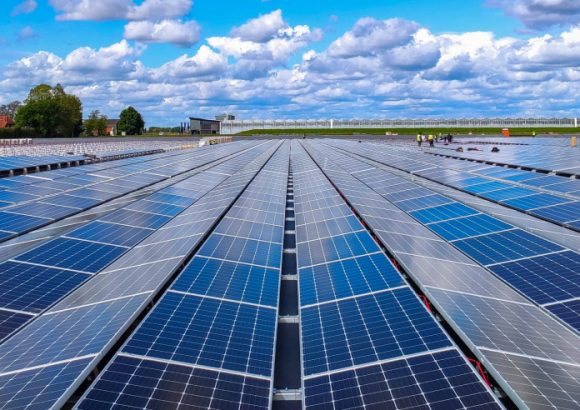
Frequent blackouts and stubbornly high electricity bills are pushing households and businesses across the Dominican Republic towards rooftop solar. By mid-2024, the National Energy Commission counted roughly 15,400 users of the national grid running photovoltaic panels, and local installers say that figure has climbed sharply since. Anyone who has booked a villa on the island or dreamed of an expat life there should take note: solar is quietly reshaping what reliable power looks like in the Caribbean.
The pitch from the trade is simple. Panels cover a property's daytime needs directly, so the utility meter effectively stops spinning. When clouds roll in or the sun sets, the house switches to the grid — or to batteries, which also keep the lights on during the outages that plague parts of the country. Installers size a system by reading the kilowatt-hours on your monthly bill, and setups can run from a modest starter kit to full grid independence.
The money side is striking. A basic kit — panels, a battery and an inverter, enough for a fan and a television — costs around RD$45,000. Going fully off-grid with higher consumption can run past RD$600,000, even up to RD$800,000. But payback tends to be quick: one customer reportedly went from a RD$6,000 monthly bill to under RD$100 within six months of installation, and most people recoup their investment in roughly two years. Panels themselves last up to 25 years; inverters and batteries manage 10 to 15, with little more than dusting as maintenance. Modern systems even ping your phone if something needs attention.
There are a few rules worth knowing. For personal use, no special permits are needed — you buy panels, an inverter and a battery much like any appliance. But feeding surplus power back into the grid for bill credits requires plans, certifications and approval from the regional distributors. And there's a regional wrinkle: from November 1st, the Southern distributor Edesur is rolling out a new billing scheme under electricity regulator Resolution SIE-007-2026-REG, changing how that surplus is compensated for its customers.
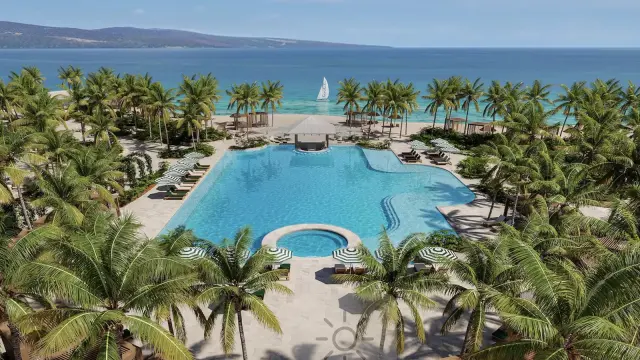
So why should a traveller care? If you're renting a self-catering villa or apartment in Punta Cana, Las Terrenas or Santo Domingo, a property with solar plus battery storage means fewer interruptions to your air conditioning, Wi-Fi and cold drinks — worth asking about when you book. For anyone considering a second home or longer stay on the island, the economics now make solar a realistic line in the budget rather than a green indulgence. Installation takes as little as three days for a home and up to two weeks for larger projects, so it's a feasible upgrade even on a pre-trip timeline.
Blackouts have long been the flip side of island life in the Dominican Republic. The rapid spread of solar suggests that, for a growing number of properties at least, that's changing.
Original reporting: Dominican Today