A hiker in his 20s was pinned under his own collapsed tent when an early-season storm hit Washington's Goat Rocks Wilderness, and the rescue that followed is a masterclass in why autumn trips into the high country demand respect.
The Pacific Crest Trail hiker called for help over a recent weekend after a winter storm delivered 60 mph wind gusts and snow, flattening his shelter and leaving him hypothermic and unable to walk. The weather that triggered the emergency also grounded every helicopter, so a five-person team from Tacoma Mountain Rescue did it the hard way: they hiked 8 miles through the night to reach him, arriving around 1:30 a.m. Saturday.
What happened next is the quietly remarkable part. Two rescuers spent the rest of the night packed into a two-person tent with the hiker, warming and stabilising him until daylight. Come morning, the whole group walked out under their own power — meeting volunteers from Pierce County Explorer Search and Rescue along the way, who brought hot chocolate. No airlift, no stretcher carry, just a rewarmed hiker and a long walk to the trailhead.
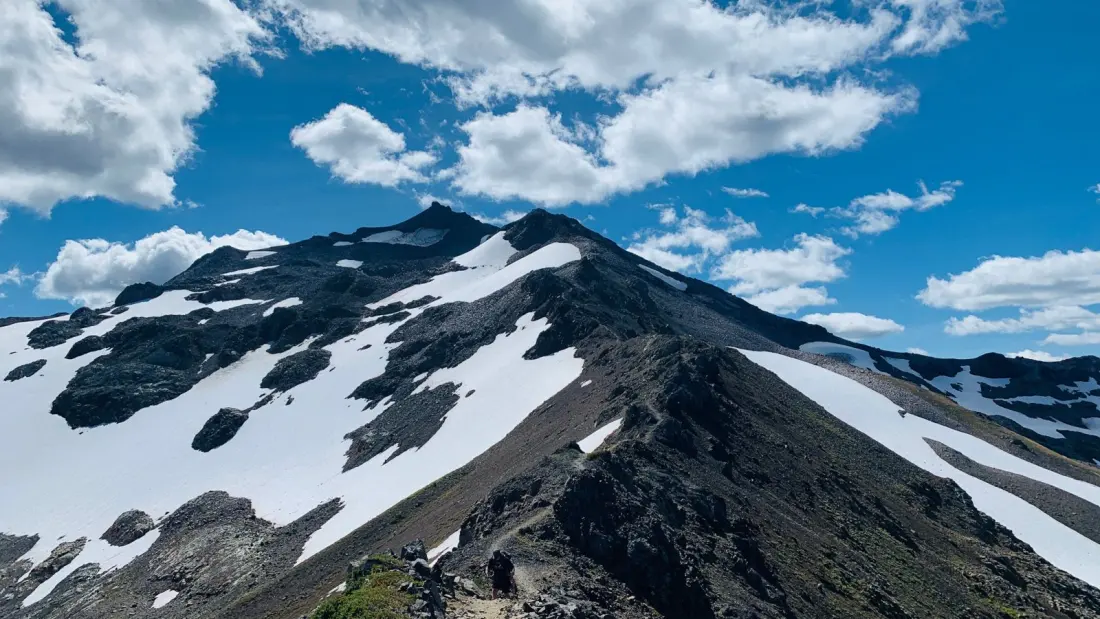
The location matters. Goat Rocks is one of the PCT's most scenic stretches in Washington, all alpine ridges and volcano views, but its exposed elevations make it notoriously fickle when summer flips to fall. Season-ending snow can arrive as early as late September, and this stretch has racked up a string of weather-related rescues in recent years. Last year, a hiker's dog even had to be evacuated by the Washington State Animal Response Team after its owner was airlifted off with a serious injury.
The big takeaway for anyone lacing up boots this autumn: hypothermia isn't just a deep-winter problem. Wind and moisture strip heat from the body faster than many hikers expect, and you don't need sub-zero temps to get into real trouble. Tacoma Mountain Rescue's own post-mission advice is worth repeating — carry a satellite messenger. In this case, the hiker's SOS got rescuers moving hours before anyone would otherwise have known he was stranded.
If you're planning a late-September or October hike in the Washington Cascades, this story is essentially a checklist: check mountain-specific forecasts rather than valley forecasts, pack shelter and sleep gear rated well below forecast lows, carry windproof and waterproof layers, and don't bet on a helicopter rescue if the weather turns — because it may not fly. Goat Rocks remains a gorgeous, worthwhile objective in fair conditions; it just punishes anyone who treats late summer as a guarantee.