
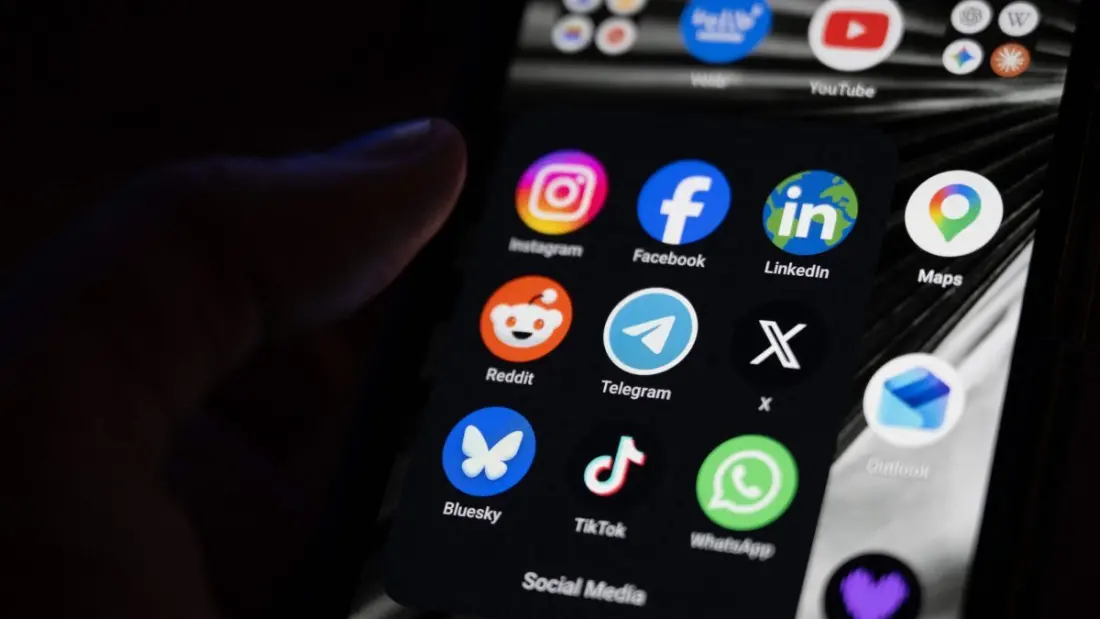
A massive regulatory shift is under way that will change what teenagers can legally do on their phones in some of the world's most-visited destinations. On Wednesday, European Commission chief Ursula von der Leyen proposed banning social media for children under 13 across the EU, with only limited, supervised access allowed until age 15. The move brings the bloc into a fast-growing club: more than 20 countries are now blocking or restricting minors on social platforms, according to an AFP count.
Australia went first, imposing a blanket ban on under-16s in December 2025 — though data released in August suggests teenagers have found plenty of workarounds. Indonesia (March) and Malaysia (June) have since enforced their own under-16 bans, and Brazil requires platforms to link under-16 accounts to a parent and verify ages. Türkiye passed a law in April barring under-15s, expected to take effect in late 2026, while the UAE announced a similar ban with implementation in about a year. In the US, California's governor signed roughly a dozen child-protection laws on September 10, including one outlawing addictive features for under-16s from early 2027.
Europe's own patchwork is taking shape. Greece plans an under-15 ban from January 2027. Sweden's government commission has proposed a ban by early 2028, Denmark wants to restrict several platforms for under-15s, and Austria and Slovenia are drafting laws for under-14s and under-15s respectively. Germany's expert commission is weighing age-graduated or platform-specific limits, Ireland may legislate on its own, and Norway is readying a bill for under-16s. Britain plans a ban for under-16s by early 2027, plus a curfew for 16- and 17-year-olds. Canada and New Zealand have both tabled bills setting the age at 16, and Portugal and Spain are moving toward a "digital majority" of 16. France is the cautionary tale: its under-15 ban was struck down by the Constitutional Council on freedom-of-expression grounds, and President Macron has promised a more legally robust version by spring 2027. China, meanwhile, has restricted minors' access incrementally since 2019, extending gaming time limits and curfews to social media and streaming in 2023.
For holidaymakers, the practical upshot is simple: if you're travelling with teenagers, the rules of the home country — not your home country — increasingly apply. A 14-year-old who scrolls freely at home in New York may find Instagram locked out in Athens, Sydney or Kuala Lumpur, and age-verification checks are becoming routine at login in more markets each year. Expect enforcement to be uneven at first, as Australia's experience shows, but expect it to tighten. Families should plan offline entertainment, download content before flights, and check the destination's rules if screen time is part of the holiday equation. It's also worth noting that hotels, airlines and attractions are starting to market "unplugged" family experiences in response — a niche that will only grow as these bans bite.
Story via Daily Sabah Travel.