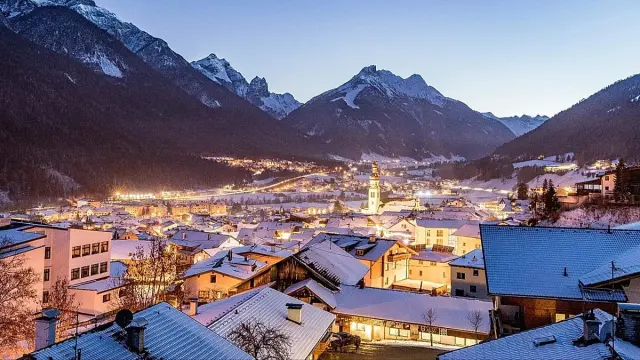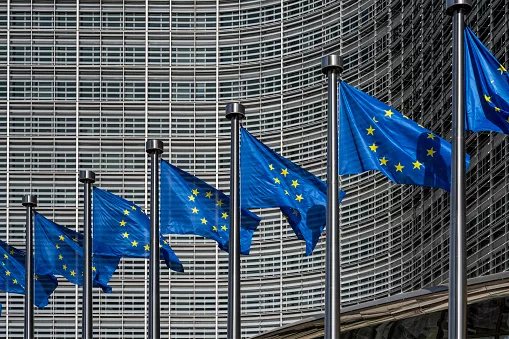
The European Commission has unveiled its first-ever Sustainable Tourism Strategy, announced in Brussels on 9 November, and it could quietly reshape how holidaymakers experience the continent. At its heart is a simple problem: a handful of places — Paris, Barcelona, Venice — absorb a huge share of Europe's visitors, while lesser-known towns, rural regions and smaller cultural destinations miss out on the spending that tourism brings.
The numbers behind the policy show why Brussels is paying attention. Tourism supports roughly 20 million jobs and five million businesses across the EU, 99% of them small or medium-sized enterprises, and contributes around 10% of the bloc's gross value added. The Commission frames the strategy as a response to climate change, skills shortages, geopolitical uncertainty and shifting traveller habits — not just a reaction to overcrowding.
Several concrete initiatives are planned. A high-level EU Tourism Alliance will bring member states, regional authorities and businesses together to coordinate policy. A new EU Tourism Academy is intended to build professional skills across the sector, while a Common European Tourism Data Space and an EU Tourism Observatory will track trends and inform decisions. There's also a proposed EU Model for Tourism Management, a Toolbox for Balanced Tourism, and a European Tourism Crisis Coordination Network for handling disruptions.
For travellers, the most relevant thread is the push to spread visits more evenly — geographically and seasonally. The Commission wants people exploring destinations outside peak summer, which in practice could mean better deals, thinner crowds and more welcoming locals in popular cities during shoulder months, plus more infrastructure and marketing support for places you haven't considered yet. The stated goal is growth that doesn't erode the cultural identity, natural resources or quality of life of host communities.
Industry reaction has been broadly favourable. ECTAA, the body representing European travel agents and tour operators, called it a step towards more balanced and resilient tourism, stressing support for small businesses and better rail and air connections. The International Road Transport Union welcomed the focus on clearer rules for coach operators, who currently navigate a patchwork of vehicle access restrictions across European cities. The European Travel Commission also praised the emphasis on cooperation between institutions and industry.
It's early days: this is a framework, and its impact depends on implementation by member states and local destinations. But the direction of travel is clear. If you've ever abandoned a Venice itinerary because of the crowds, or wondered why your favourite Alpine village feels unrecognisable in August, the EU is now formally trying to fix exactly that. Expect more promotion of secondary destinations, off-season travel incentives and smoother, more sustainable connections between regions in the coming years.