A luxury resort in Arizona has spent recent weeks fielding calls from guests hoping to win millions simply by staying put for 30 days. The catch: the promotion doesn't exist.
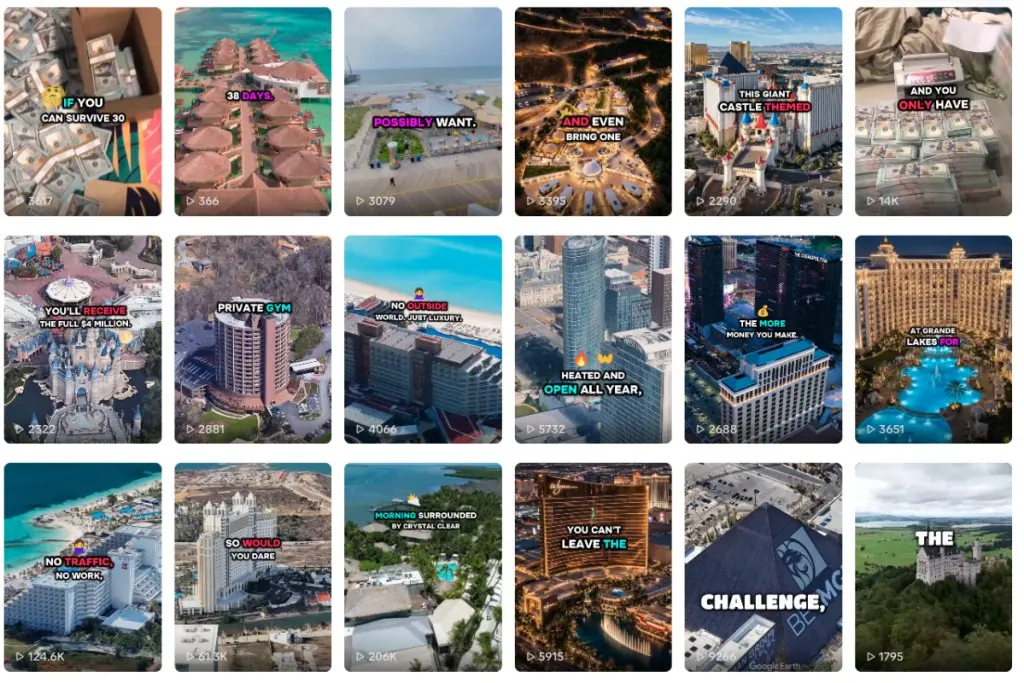
The Ambiente Sedona, a high-end property in Sedona, first noticed the problem in early October when a caller asked about a social media 'challenge' promising thousands or even millions of dollars to anyone who stayed at the resort for a full month without leaving. Front desk staff explained there was no such offer — but the calls kept coming. Over a single weekend, four different people phoned asking about the same fake challenge. Things escalated when a luxury travel agent in South Korea emailed to say several U.S. clients wanted to enrol.
The videos appear to be spreading on TikTok and Instagram, where accounts have posted clips racking up serious view counts by promising the fictional prize. It's not the first time the property has been caught in this kind of mess. Owner Jennifer May has previously spoken out about AI-generated videos showing inaccurate depictions of her resort — meaning guests were arriving with expectations shaped by footage that never reflected reality.
It's easy to see why the format works. 'Stay 30 days, get $4 million' is exactly the kind of hook that stops a thumb mid-scroll, and the resort's real aesthetic makes the fake footage convincing enough that people call to check. But for hotels, the fallout is real: confused guests, wasted staff time, disappointed travellers who feel misled, and a brand reputation tied to claims the property never made.
For travellers, the takeaway is straightforward and genuinely useful. Viral hotel 'challenges' and giveaway videos on TikTok and Instagram deserve healthy scepticism, especially when the prize seems absurd. Before booking anything based on a viral clip, check the hotel's own website or call the property directly — as the people who contacted Ambiente Sedona did, which is partly why staff could spot the pattern. And keep in mind that AI-generated content now extends to hotel visuals, not just text: the room or view in a video may not match what you'll actually get. Cross-referencing with recent guest photos on booking platforms is a simple safeguard.
The trend also hints at a wider problem for the hotel industry. As fake promotion videos multiply across platforms, individual properties are left doing their own damage control, calling out hoaxes one front-desk conversation at a time. Whether platforms like TikTok and Meta will act faster on misleading travel content remains to be seen. Until then, if a video promises you millions for a month-long holiday, it's safe to assume the only people getting rich aren't the guests.