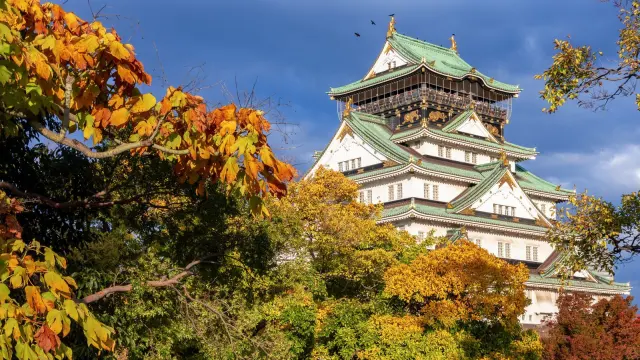
Japan is about to get a lot easier to reach from Europe. Lufthansa Group has announced its biggest expansion yet into the Japanese market, with its airlines set to operate up to 50 flights a week to the country from summer 2027. The move covers four airports: Tokyo-Haneda, Tokyo-Narita, Osaka and Nagoya.
Two headline changes drive the boost. First, Lufthansa is reviving its seasonal Frankfurt-Nagoya route, which returns on 29 March 2027 with three flights a week (Mondays, Wednesdays and Saturdays). The outbound leg leaves Frankfurt mid-afternoon and lands in Nagoya the next morning, while return flights get you back to Frankfurt by early evening. Second, a new daily seasonal service between Frankfurt and Tokyo-Narita starts on 28 March 2027, sitting alongside Lufthansa's existing daily Haneda flights from both Frankfurt and Munich.
There's more than one airline in the group making this happen. Lufthansa, Austrian Airlines, SWISS and ITA Airways all feed the Japanese network, and SWISS will fly up to seven weekly Zurich-Tokyo-Narita services during summer 2027. Travellers out of Nagoya can also use Frankfurt as a springboard onward to the rest of Europe or even South America.
Both new routes will use Boeing 787-9s fitted with Lufthansa's Allegris cabins - 28 business class seats, 28 premium economy and 231 economy - so the newer cabin product is on the aircraft rather than a refit.
The rationale is straightforward: demand. Japan welcomed a record 42.7 million international visitors in 2025, a jump of nearly 16% on the previous year, according to the Japan National Tourism Organization. While overall arrivals dipped slightly in early 2026, European markets keep growing - arrivals from Germany were up 5.6% and from the UK up 5.8% between January and August, with France, Italy and Spain also climbing.
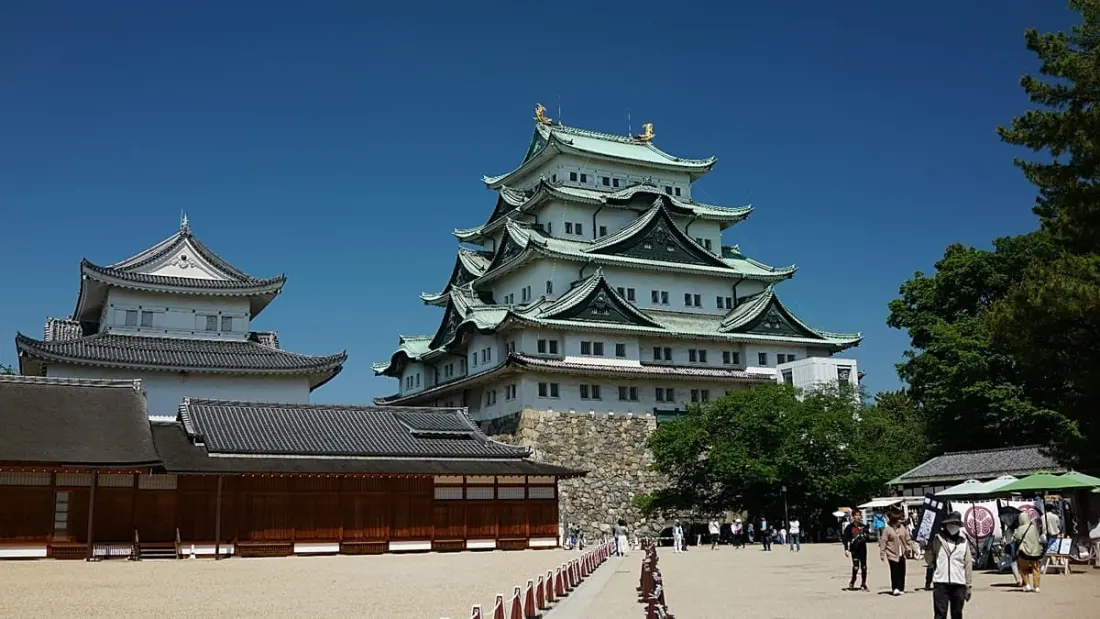
Nagoya itself is the sleeper pick here. The city in Aichi Prefecture is best known as an industrial and automotive powerhouse, so it rarely tops first-timers' lists. But it has samurai history worth exploring, excellent food culture, and it's a handy, less crowded base for reaching Kyoto and other central Japan highlights.
Why it matters for travellers: more frequencies usually mean more competitive fares and better availability in peak seasons like cherry blossom and autumn foliage. The Nagoya return also gives travellers an open-jaw option - fly into Tokyo, out of Nagoya - without backtracking. And with connections from Nagoya through Frankfurt, it opens the route up to travellers well beyond Germany.