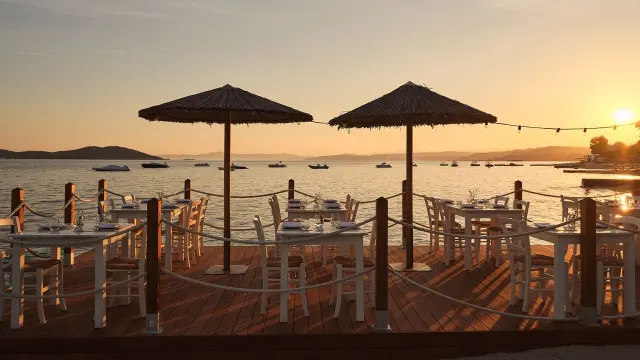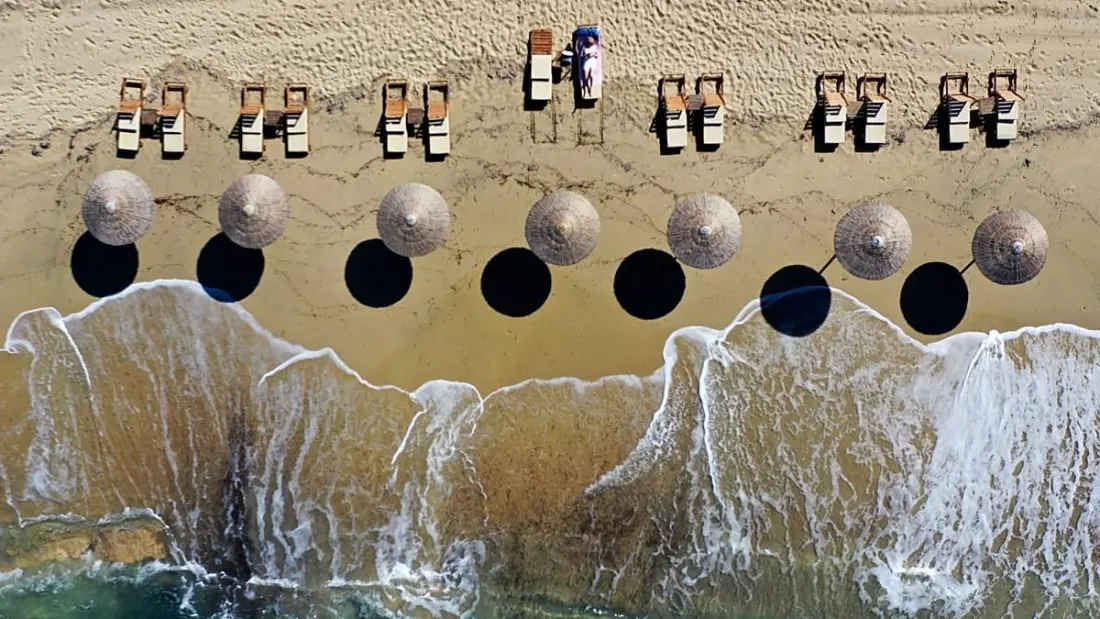
Greece logged 7.43 million arrivals in August 2026, up 2.6% on the previous year, according to provisional figures from the Hellenic Statistical Authority (ELSTAT). Overnight stays across hotels, campsites and rented rooms totalled 34.69 million, a 2.1% rise. Notably, arrivals grew faster than nights spent, hinting that crowds are thickening even if stays aren't stretching.
International visitors carried the growth. They made up 76.7% of arrivals and a hefty 84% of all overnight stays, and they also grew faster than domestic tourists on both counts — arrivals up 2.9% versus 1.7% for Greek residents. Foreigners stayed an average of 5.1 days against 3.2 for Greeks, roughly 59% longer, a gap that held true in both hotels and rented rooms.
The most striking shift is where people are sleeping. Rented rooms — the short-stay rental category — saw arrivals jump 5.2% and overnight stays climb 4.6%, while hotels and campsites managed just 1.5% and 1.1% respectively. That's a gap of over three percentage points on both measures, and it echoes a pattern familiar across Europe: travellers, both Greek and foreign, are increasingly choosing apartment-style and room rentals over traditional hotel beds. Foreign arrivals in rented rooms rose 5.5% and Greek arrivals 4.2%, so the trend isn't just about inbound tourists — locals are shifting too.
For anyone planning a Greek summer trip, the numbers paint a practical picture. Demand keeps setting records, and the fastest-growing segment is exactly the kind of accommodation that's often cheaper and more plentiful outside the big resort zones. Booking early matters more than ever in peak August, especially if you're eyeing popular islands where hotel stock is tight and rental prices spike. The flip side: the relentless growth keeps fuelling debates about overtourism in places like Santorini and Athens, and some destinations are responding with visitor caps and cruise-ship levies — worth factoring in if you'd rather avoid the thickest crowds. Travelling in June, early July or September gets you similar weather with more breathing room.
If you love data before you book, this ELSTAT release is a useful proxy: it tells you which accommodation types are hot, how long people stay and where international demand is strongest — handy context whether you're hunting a family-run rooms-to-let on a quieter island or weighing up a hotel in a major hub.