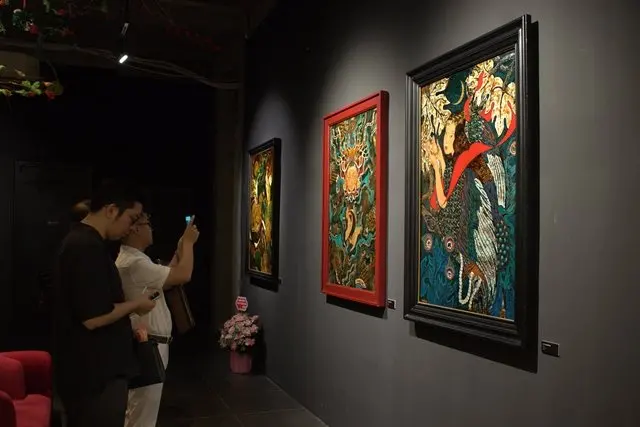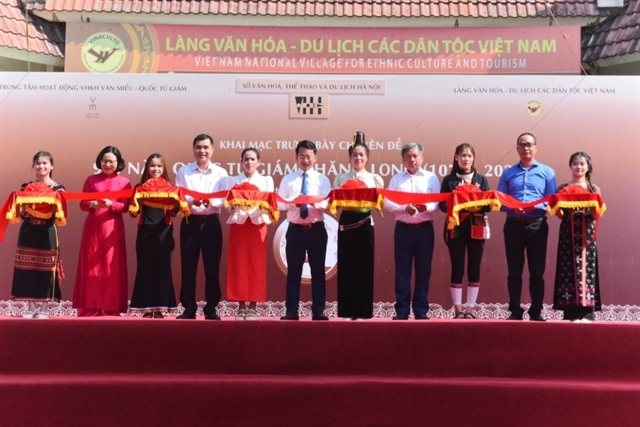
Vietnam's most storied seat of learning is celebrating a very big birthday. A new exhibition, '950 Years of Thăng Long's Quốc Tử Giám (1076–2026)', opened on October 11 at the Vietnam National Village for Ethnic Culture and Tourism in Hanoi, marking nine and a half centuries since the Temple of Literature was founded in 1076 under King Lý Nhân Tông. It is widely considered Vietnam's first national university, and the anniversary has become a moment for the country to celebrate its long tradition of scholarship.
The show, jointly organised by the Centre for Cultural and Scientific Activities at the Temple of Literature and the village itself, is built around three themes: the birthplace of Vietnam's scholarly tradition, the Imperial Academy as the nation's first university, and ongoing efforts to preserve the site. Documents, photographs and artefacts trace the institution's history and its role in the old Confucian examination system — the machinery that selected scholars for centuries.
What makes the venue interesting is the pairing. The Vietnam National Village for Ethnic Culture and Tourism showcases the traditions of Vietnam's 54 ethnic groups, so the story of the Imperial Academy is being told inside a space dedicated to the country's cultural diversity. Organisers say the idea is to connect scholarly heritage with community identity and make it accessible to people who may never visit the original relic site in central Hanoi.
There are hands-on elements too, including activities that give a flavour of how learning and examinations worked in earlier eras — pitched particularly at younger visitors. The timing is deliberate: the exhibition runs alongside Vietnamese Teachers' Day on November 20 and Vietnam Cultural Heritage Day on November 23, so expect a fuller programme of events in the capital through late November.
For travellers, this is a good prompt to put the Temple of Literature itself on the Hanoi itinerary if it isn't already. The original complex — with its courtyards, pavilions and famous stone stele listing doctoral graduates — is one of the city's calmest and most atmospheric sights, and a visit pairs neatly with the nearby Imperial Citadel of Thăng Long. Seeing the anniversary exhibition adds context: this isn't just a pretty compound, it's the root of a national obsession with education that you'll notice everywhere in Vietnam today.
If you're in Hanoi between now and the end of November, the combination of the exhibition at the ethnic culture village (a short drive from the city centre in Dong Mo, Son Tay) and the original temple makes for a rewarding heritage day out — and a reminder that some institutions really do last.