Ho Chi Minh City is putting serious money behind its history. Under a new action plan to carry out the national culture policy known as Resolution 80, the city will channel more than VNĐ6 trillion — roughly US$233 million — of public funds into preserving and restoring historical and cultural relics between 2026 and 2030.
The plan sets concrete targets. By 2030, the city wants three to five intangible cultural traditions added to the national heritage list, and management plans in place for 50 to 70 per cent of its inscribed heritage sites. On the buildings-and-ruins side, it aims to have 70 structures recognised as local historical and cultural relics, push five municipal-level relics up to national status, and nominate two national relics for the elite special national ranking. Every special national relic should be fully restored, and at least 70 per cent of degraded national and city-level relics repaired within the same window.
The headline item for travellers: the city is formally moving to nominate the Củ Chi Tunnels for UNESCO World Heritage listing. The vast underground network, used by Viet Cong fighters during the war and now one of Vietnam's most visited attractions, would join Ha Long Bay, Hoi An and Hue on the list if successful — a process that typically takes years but tends to raise a site's conservation standards and international profile. One or two documentary heritage items are also targeted for the national register by 2030.
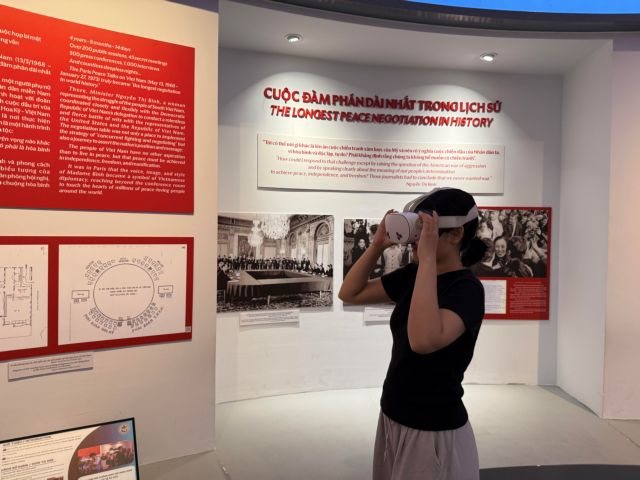
Beyond the headline numbers, the plan covers new construction and renovation at museums, greater use of digital tools (the War Remnants Museum already offers VR experiences) and better training for heritage staff. The Department of Culture and Sports has flagged three fix-it areas: funding, restoration procedures and clearer responsibilities between the agencies that supervise preservation and the local units actually managing the sites. Private money is invited too, through sponsorships and public-private partnerships, alongside the state budget.
Why should this matter to a visitor? Because the benefits will be tangible — restored buildings, better-signposted relics, upgraded museums and possibly a UNESCO-listed Củ Chi experience within the decade. Ho Chi Minh City is often treated as a food-and-nightlife stop en route to the Mekong Delta, but it holds some of the country's most significant war and cultural sites. This plan signals they'll be in noticeably better shape by 2030, so it's worth building a proper heritage day or two into any Saigon itinerary now, and again when the restoration work bears fruit.