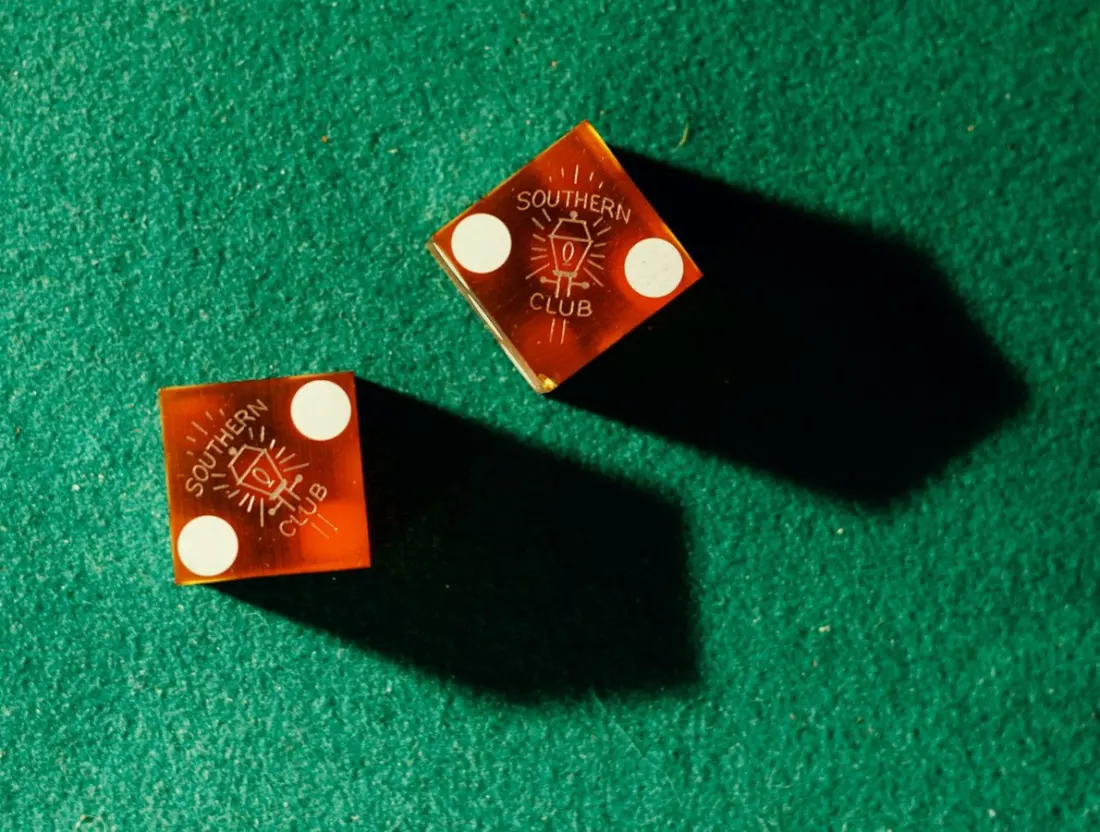
Long before neon arrived in Nevada, the gambling capital of America was a small town in the Ouachita Mountains of Arkansas. Hot Springs, built around naturally hot thermal water, spent the first half of the twentieth century running wide-open casinos, brothels and bootleg liquor — all technically illegal, all tolerated by a police force and political establishment on the take. Locals called it "the loose buckle in the Bible Belt."
The numbers tell the story. In 1931, Las Vegas had about 5,000 residents and no resorts. Hot Springs had roughly 20,000 people, several high-rise hotels, and gambling operating in plain sight. Gangsters like Al Capone, Lucky Luciano, Meyer Lansky and Bugsy Siegel treated it as a neutral holiday resort where rival mobs could relax without violence — there was an unwritten agreement that nobody got shot in town. Capone famously rented the entire fourth floor of the Arlington Resort Hotel & Spa for weeks at a time; his usual room, 443, is now bookable as the Al Capone Suite, and a life-size statue of him, cigar in hand, sits outside a downtown bar.
The corruption reached the top. Mayor Leo McLaughlin, who took office in 1927, ran the town for two decades on "amusement tax" payments from more than 100 illegal businesses, riding around in a buggy pulled by horses named Scotch and Soda. Governor Orval Faubus allegedly collected his cut via a car with a drop safe in the trunk that made weekly trips from Hot Springs to Little Rock.
It wasn't just mobsters. The Arlington, with nearly 500 rooms and a nightly 15-piece orchestra, hosted Marilyn Monroe, Elizabeth Taylor, Rudolph Valentino, Andrew Carnegie, FDR and Truman. Baseball's future Yankees and Red Sox held spring training here, and Babe Ruth was a fan for reasons best left to the era's vices. Duke Ellington, Sinatra and Tony Bennett played the clubs.
That seedy past is now the town's best storytelling asset. The Gangster Museum of America, an 8,500-square-foot attraction on historic Central Avenue, was founded by Robert Raines, a local historian who dug through newspaper archives and thousands of FBI files and published a book, Hot Springs: From Capone to Costello, in 2013. Visitors can pair it with the town's older draw: bathhouses on the thermal springs, now part of Hot Springs National Park, where you can still soak in the waters that started it all back in 1807.
For travellers, Hot Springs works as an easy weekend break — walkable historic downtown, spa treatments, gangster lore, and a lake-and-mountains setting. It's a genuinely quirky alternative to the usual southern city stops, and far cheaper than the Vegas its vice apparently inspired.