Appalachian Trail hikers have been told to get off the trail and hold off on new plans as Hurricane Isaias barrels toward the Southeast. The Appalachian Trail Conservancy issued an alert warning of heavy rain, flash floods and high winds along the trail from Georgia through southwest Virginia, with possible flooding extending into central Virginia.
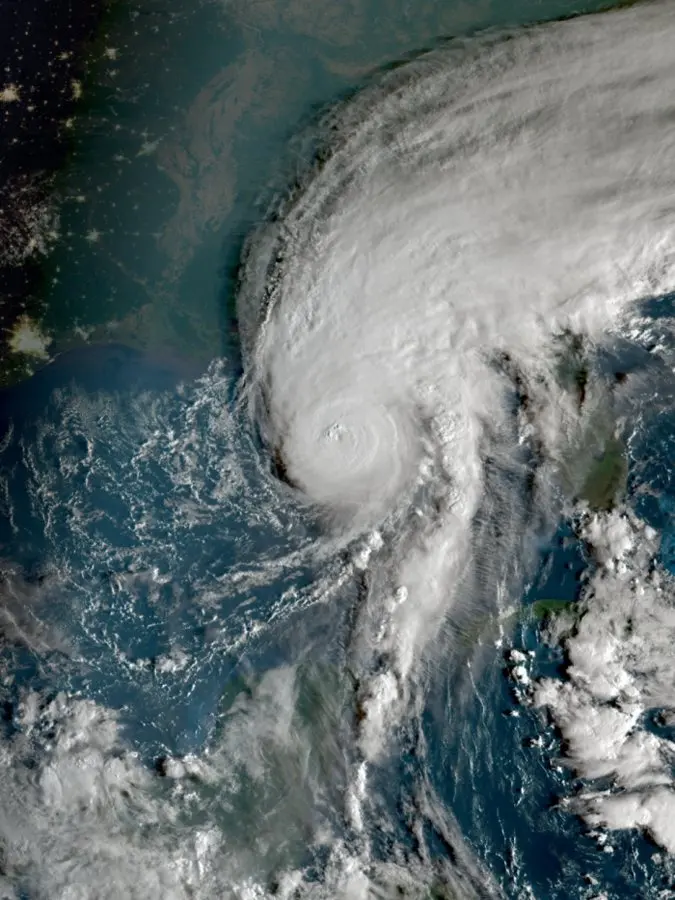
Isaias strengthened to a Category 3 storm with sustained winds of 120 mph, and is expected to be the first hurricane of the 2026 Atlantic season when it makes landfall in Florida on Friday evening. While Gulf Coast communities face the greatest danger from storm surge, southern Appalachia is bracing for strong gusts and localised flash flooding, particularly at higher elevations — exactly where the trail runs.
There's a practical warning for anyone in the Great Smoky Mountains: the National Park Service will close Newfound Gap Road at 8 p.m. Friday ahead of the storm.
The shadow of Hurricane Helene hangs over this alert. Two years after that storm devastated much of the region, the Conservancy cautions that trail sections still recovering from Helene are the most vulnerable to fresh damage. Meteorologist Katie Melvin noted the setup is very different this time — Helene arrived after days of soaking rain, while conditions ahead of Isaias have been much drier, which should limit flooding. But that doesn't erase the risk: locally heavy rain, flooding in low-lying spots and damaging wind gusts at elevation remain on the table.
The Conservancy's advice to anyone on the trail this weekend or shortly after is blunt: stay well away from standing dead, diseased or damaged trees, which can fall without warning and have proven deadly. Hikers planning southern AT trips are being urged to postpone until the storm has passed and conditions stabilise.
For hikers with trips planned over the coming days, the sensible move is flexibility — check the NOAA public advisory for live updates, monitor Conservancy trail alerts for closures, and be prepared to push start dates back a week. Even after the rain stops, weakened trees and unstable slopes can stay hazardous for days, so the risk doesn't vanish with the storm.