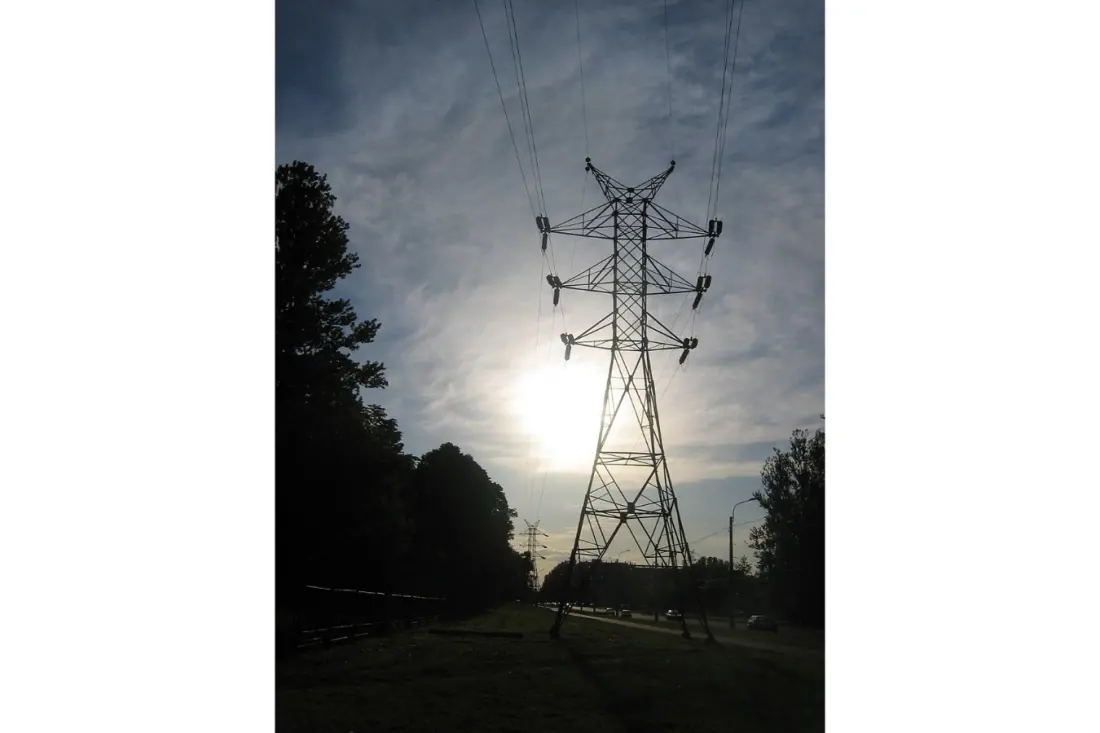
Nepal is getting a lifeline from its southern neighbour after a devastating flood in late August. India has increased its daily electricity exports to Nepal to as much as 654 megawatts, delivered over 18 hours each day, according to reporting by Nepali Times. The move is designed to cover the gap left by damage to a dozen power projects along the Bhote Kosi and Trisuli rivers.
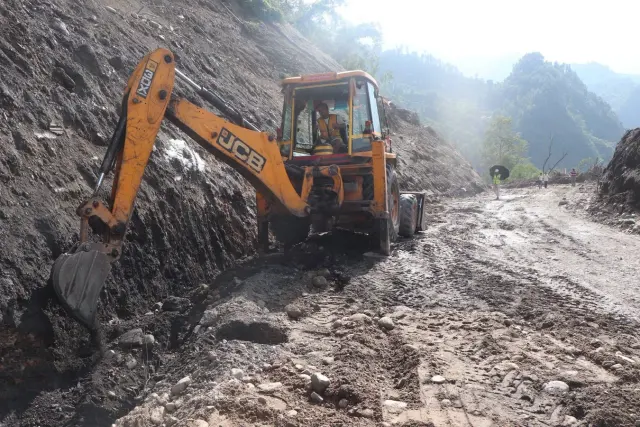
The trigger was a flood on 26 August 2026 that hit the Bhote Kosi-Trisuli corridor, a steep Himalayan river valley north-west of Kathmandu that carries a heavy concentration of Nepal's hydropower infrastructure. With multiple generating stations knocked offline, the country leaned harder on imported electricity from India to keep the grid stable.
For a country that normally markets itself as a hydropower surplus nation in the making, the episode is a reminder of how vulnerable mountain infrastructure is to extreme weather. Glacial melt, cloudbursts and landslides regularly damage roads, trails and power lines across the Nepali Himalaya, and rebuilds can take months in remote terrain.
What does this mean if you're travelling to Nepal? In practical terms, the increased imports are meant to prevent the kind of rolling power cuts that once defined daily life in Kathmandu, when load-shedding schedules ran for hours at a time. Hotels, trekking lodges and teahouses in affected areas may still see intermittent supply, and some places rely on backup generators or solar, so don't assume around-the-clock power everywhere — especially outside the capital. Charging devices before multi-day treks and carrying a power bank remain sensible habits.
There's also a broader traveller angle: the Bhote Kosi area is popular for rafting day trips and bungee jumping, and the Araniko Highway towards the Tibetan border is a main overland route. After major flood damage, road travel in this corridor can be disrupted even when electricity is restored, so check current conditions before booking trips that depend on it.
The bigger picture is that Nepal's tourism recovery depends on functioning infrastructure as much as on mountain views. Travellers planning autumn or spring treks should watch how quickly the damaged projects come back online, and build a little flexibility into itineraries that pass through the affected valleys.