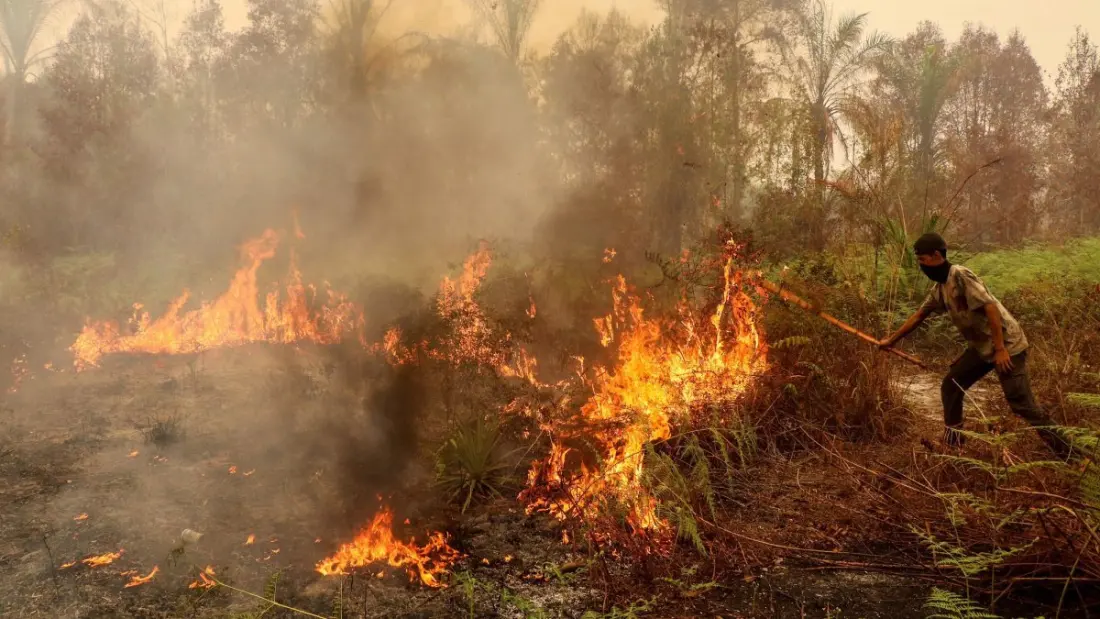
Thick smoke from Indonesian wildfires is drifting across Southeast Asia right now, and it's bad enough to disrupt daily life well beyond Indonesia's borders. Parts of western Singapore hit the country's top "very high" pollution rating on Wednesday, with PM2.5 levels measured at 288 micrograms per cubic metre — nearly 60 times the World Health Organization's recommended annual average of 5. East Timor has gone further, closing schools nationwide for three days as a precaution.
The fires are burning across hundreds of thousands of hectares on Borneo, Sumatra and into Papua, and a strong El Niño-driven drought has made this season worse than usual. Slash-and-burn land clearing is also a factor, according to experts. In Bangka Belitung province on Sumatra, one fire destroyed nearly 300 homes and forced around 1,000 villagers to flee after smouldering peatland reignited when the wind shifted.
The human toll inside Indonesia is significant: tens of thousands of people have sought treatment for haze-related respiratory illness. President Prabowo Subianto has ordered maximum mobilisation, with more than 60,000 personnel deployed, plus cloud seeding and water-bombing — so far with limited success.
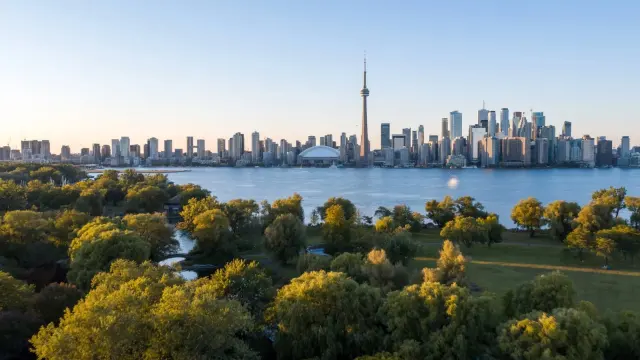
If you're travelling in the region, Singapore is the main place feeling the direct effects. The city-state has activated subsidies for haze-related medical treatment (a measure last used in the 2015 haze crisis) and is distributing N95 masks to eligible residents, including public transport workers and delivery riders. Malaysia has also been affected and has called for an ASEAN meeting, with some politicians urging a formal diplomatic protest to Indonesia. The haze has even reached the Philippines.
For holidaymakers, the practical reality is that outdoor plans — Gardens by the Bay strolls, park runs, Sentosa beach time — become unpleasant or genuinely unwise when PM2.5 climbs this high. Anyone with asthma or other respiratory conditions should take it seriously: one Singaporean asthmatic quoted in coverage described carrying his inhaler everywhere and masking up outdoors. Check Singapore's National Environment Agency air quality readings daily if you're in the city, keep indoor alternatives on your itinerary, and pack a decent N95 mask rather than relying on buying one on the ground.
There's no sign yet of flight cancellations or airport closures — the disruption is mainly to health and outdoor activity rather than transport. But if your trip to Singapore, eastern Malaysia or East Timor is booked for the coming weeks, it's worth watching the pollution index and building flexibility into your plans. The dry season typically runs through October, and conditions usually ease once rains return.