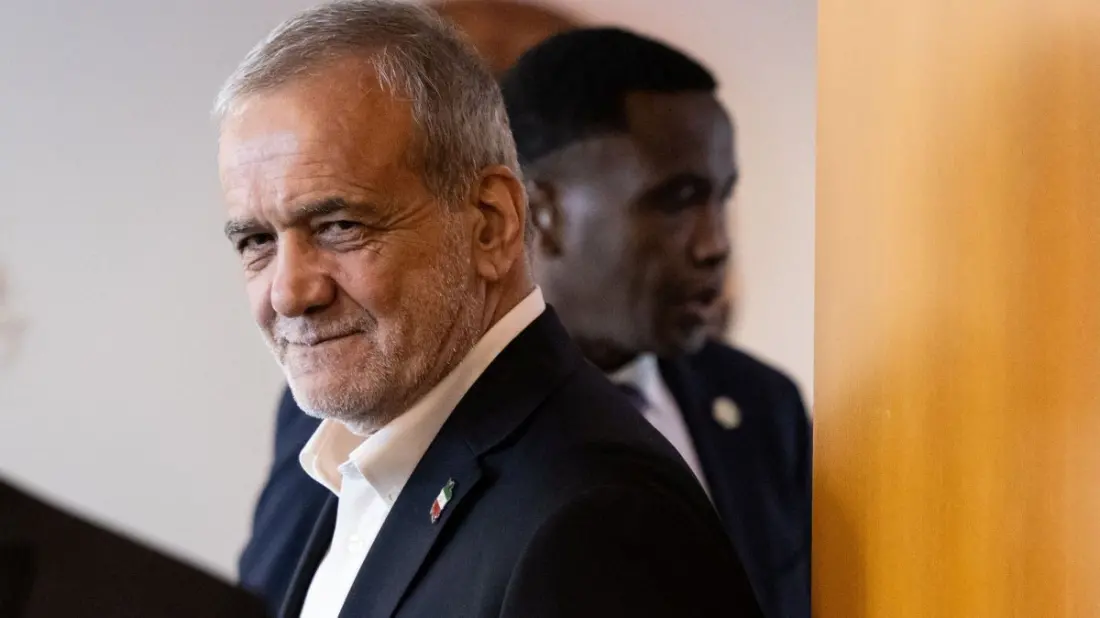
Iranian President Masoud Pezeshkian has dismissed negotiations with the United States as "meaningless", saying American attacks on Iran continued even while talks were under way. According to the state news agency IRNA, he claimed Washington had struck Iran three times since negotiations began, arguing the real aim is to overthrow the Islamic Republic rather than reach a deal.
The conflict dates back to late February, when the US and Israel launched surprise strikes on Iran while Washington and Tehran were still talking about Iran's nuclear programme. A memorandum of understanding signed in June was meant to lay out a permanent settlement, but it fell apart after Iranian attacks on shipping in the Strait of Hormuz triggered a resumption of American military operations. Indirect talks held on the sidelines of September's UN General Assembly produced no breakthrough.
In recent weeks the US has shifted from strikes to economic pressure, with no American attacks on Iran since September 1. Iran's foreign minister, Abbas Araghchi, insisted there is "no military solution" and no path through new sanctions — only what he called negotiations based on fairness could end the war.
The biggest practical consequence for the wider world is the Strait of Hormuz itself. Iran has tried to assert control over the waterway since the fighting started, attacking tankers that try to pass without its authorisation. The US, in response, has blockaded Iranian ports and struck vessels it says are breaking that blockade. The British maritime agency UKMTO reported a tanker hit while attempting the crossing on Sunday, and another turning back Monday after being threatened by Iranian forces. The strait's closure earlier in the war sent shockwaves through global energy markets, and renewed disruption would push shipping costs and oil prices up again.
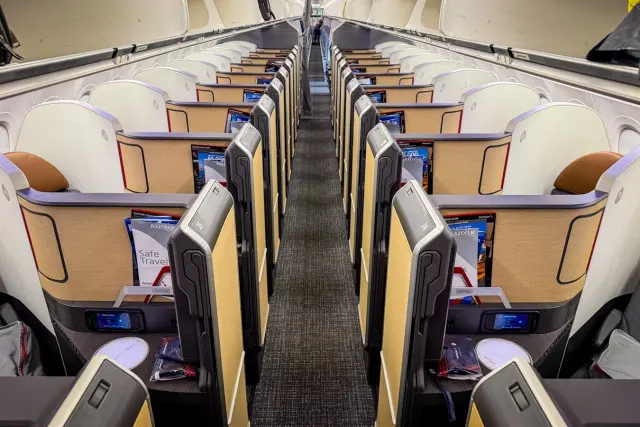
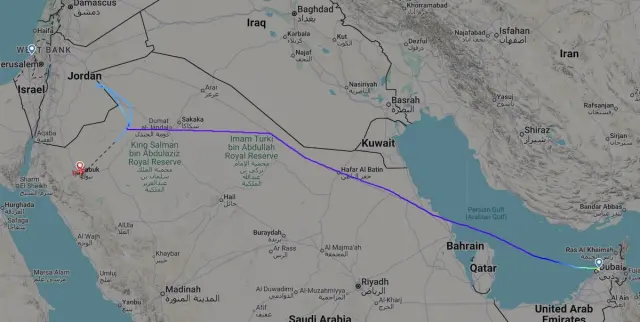
For travellers, this is a conflict with real knock-on effects even if you have no plans to go anywhere near Iran or the Gulf. The Strait of Hormuz carries a huge share of the world's oil, so flare-ups here quickly show up at the pump and in air fares. Flying to Dubai, Doha or elsewhere in the Gulf? Airlines reroute around Iranian airspace when tensions spike, which can mean longer flights and schedule changes. Travel insurance for the region increasingly excludes Iran and contested waters outright. And if you had a Gulf trip or a cruise booked, keep an eye on Foreign Office advisories — the situation is shifting week by week. Anyone planning travel through the region over the coming months should build in flexibility and check updates from their carrier before setting off.