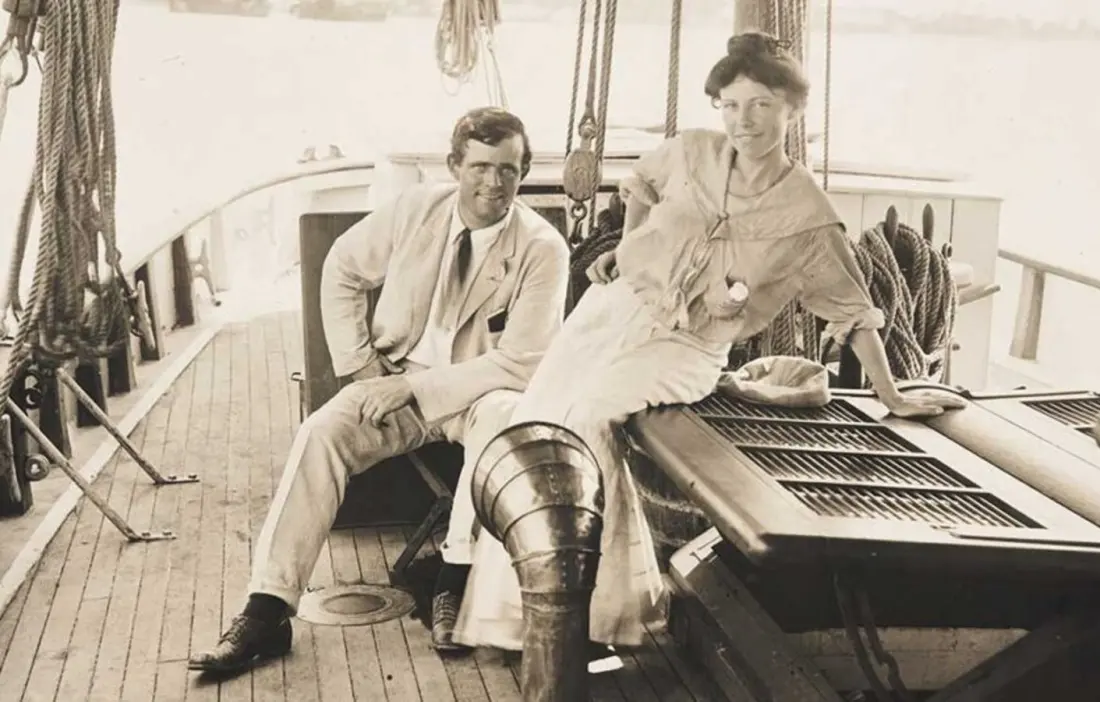
Days after speaking about revolution to a thousand Harvard students in December 1905, a 29-year-old Jack London boarded a United Fruit Co. steamship heading south. He was newly famous on the back of The Call of the Wild and The Sea Wolf, freshly divorced, and just married to Charmian Kittredge, the writer and former secretary who would become his travelling companion for the rest of his short life. Their honeymoon took them to Jamaica and Cuba — a trip Charmian later recorded in her 1921 memoir, and which survives in a remarkable album of Jack's own photographs, over seventy of them shot in Cuba, now held at the Huntington Library in California.
The couple's first stop was Kingston, Jamaica, for four days before they crossed to Santiago de Cuba aboard a Spanish steamer so cramped and grubby that London — a lifelong sailor — was seasick for the first time. They sailed into Santiago's bay at dawn on 6 January 1906, past the Morro fortress, and spent the day exploring the city's steep streets and markets. Jack bought Charmian a sequined fan with a mother-of-pearl handle for a local touch of Spanish flair, and the pair ended their excursion at Loma de San Juan, site of the 1898 battle of the Spanish-Cuban-American War, where Charmian posed for photos beside the ceiba known as the Tree of Peace.
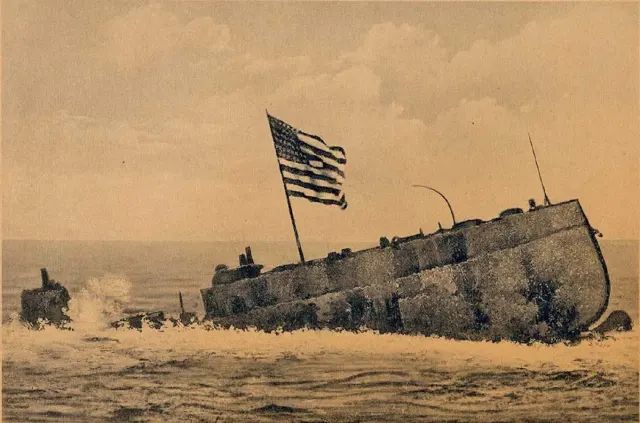
A bumpy start to the next leg: at Santiago's train station Jack fell into a furious fare dispute with a cab driver, nearly missing the train — he had to clamber aboard as it moved. The day-long ride to Havana gave him material for a novel he never wrote, but the photos he took of farmers ploughing with oxen suggest he enjoyed the crossing. In the capital they skipped hotels for a flower-filled boardinghouse at Consulado and Neptuno streets, then packed in the sights: circumnavigating the wreck of the Maine by small boat, visiting La Cabaña Fortress and Morro Castle, a swim in the sea, a jai-alai match, a banquet at the Miramar Hotel on Prado and Malecón, strolls through El Vedado, Colón Cemetery and the town of Santiago de las Vegas, and a moving visit to the El Rincón leper colony that left a lasting impression on them both.
They left on 11 January 1906 via Key West, and London went straight back to lecturing — and to building the Snark, the sailboat that would carry them around the world. For travellers, the story is a rare early-1900s snapshot of Cuba through one of America's most famous writers' eyes, and Charmian's closing line — "we hated to leave Havana" — still rings true. Several of the places they visited, from the Morro fortresses to Colón Cemetery and Santiago's San Juan hill, are easy to see today on a Cuba itinerary.