Japan has quietly become one of the most competitive hotel markets on earth, and a new edit of the country's standout properties shows why. The common thread is omotenashi — the Japanese idea of looking after guests wholeheartedly — which means service standards stay high whether you're paying ryokan rates or the price of a business hotel room near a train station.
Tokyo unsurprisingly dominates the luxury end. Aman Tokyo is regularly cited among the world's best city hotels, while the Park Hyatt Tokyo still draws film fans thanks to its starring role in Lost in Translation. Newer openings are pushing the scene forward too: FUFU Tokyo Ginza makes the cut for travellers who want a private onsen without leaving the city, and a wave of art-filled and design-led properties keeps appearing in unexpected neighbourhoods.
Kyoto holds its own. Six Senses Kyoto gets the nod as the best pick for families, a reminder that the city is no longer only about traditional machiya guesthouses and temple stays. Beyond the big two cities, the list stretches across Osaka and the countryside, where destination hotels double as cultural experiences — all reachable within a few hours by shinkansen.
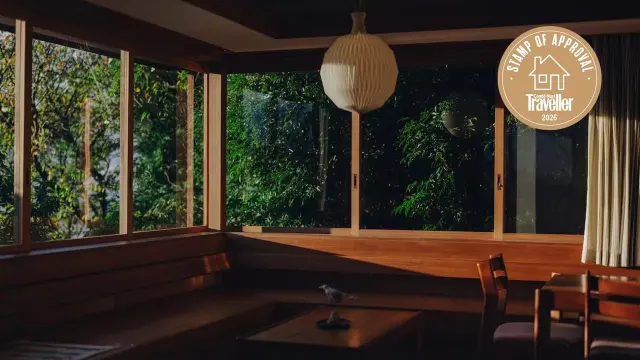
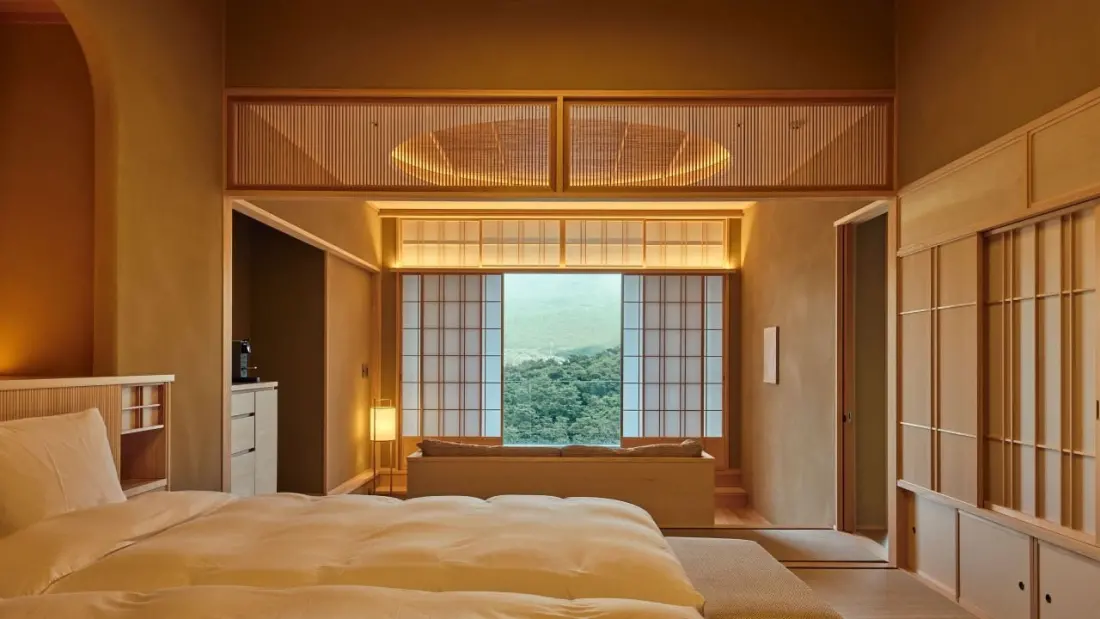
One pick captures the appeal of getting out of the city: Gora Kadan Fuji, chosen for its Mount Fuji views. Properties like this blend the ryokan format — tatami rooms, kaiseki dining, thermal bathing — with resort-level comfort, and they tend to book out months ahead, especially for autumn foliage and spring cherry blossom seasons.
The practical takeaway: Japan's hotel landscape rewards planning. The top luxury rooms in Tokyo sell out early, ryokans in the countryside often require advance booking and have strict check-in windows, and new openings can be dramatically cheaper in their first year than the established icons. Mixing one city hotel, one ryokan and one countryside stay is the classic formula, and thanks to the country's rail network it's easy to pull off without a car.
Who is this for? Anyone weighing up where to sleep on a first or second trip to Japan. The standouts cover a useful range — top-end luxury, family-friendly comfort, urban bathing and rural scenery — so it works as a shortlist whether you're splashing out on honeymoon or building a practical multi-stop itinerary.
Story via Condé Nast Traveller UK.