
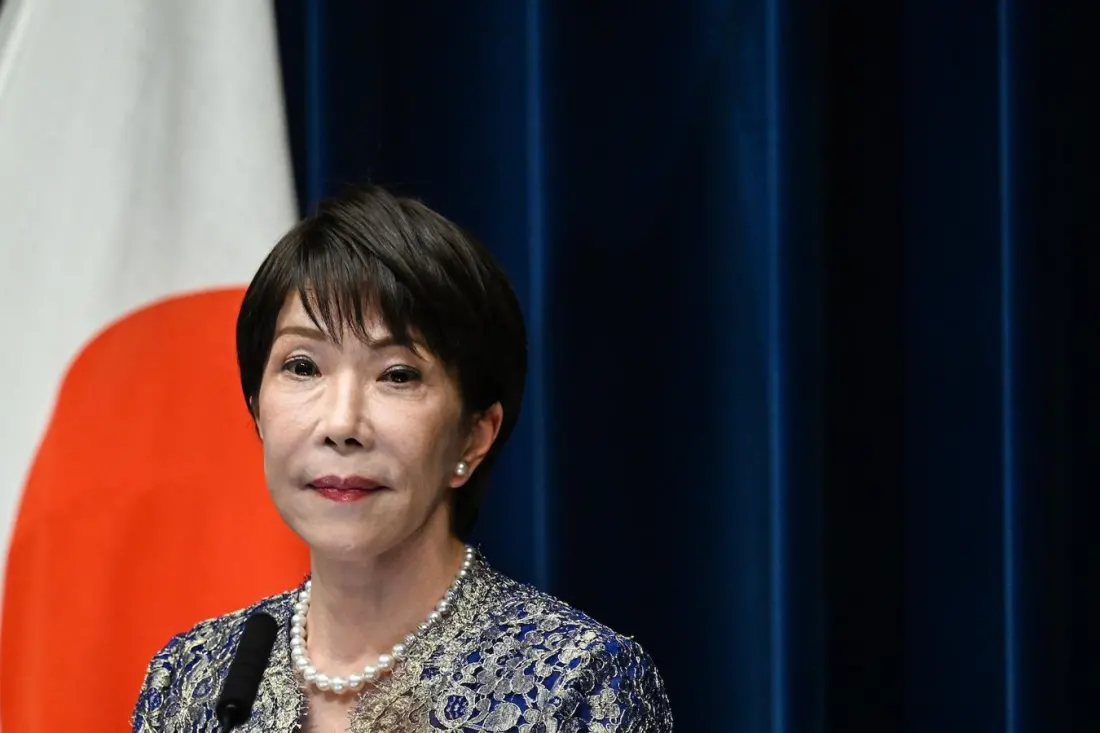
Japan's newly installed Prime Minister Sanae Takaichi has appointed 10 lawmakers implicated in the Liberal Democratic Party's slush fund scandal to junior ministerial roles, a move that has raised eyebrows given the lingering public anger over the affair.
The scandal, which broke in late 2023, involved several LDP factions failing to declare portions of the income raised through party fundraising events — money that effectively became off-the-books slush funds. It badly damaged the party that has governed Japan almost without interruption since 1955, and trust has been slow to recover. Filling government posts with politicians still associated with the affair is a decision many Japanese voters will scrutinise closely.
The Friday announcement completed Takaichi's leadership lineup: 27 senior vice ministers and 28 parliamentary vice ministers, following a revamp of the LDP's executive team on Wednesday and her Cabinet appointments on Thursday. Alongside the controversial picks, the reshuffle included a notable number of female lawmakers — some with past careers as actors and singers — which analysts read as an attempt to counter criticism that Japan lags on women's political empowerment.
One detail with real-world implications beyond domestic politics: the number of senior vice ministers at the Defense Ministry has been doubled from one to two. That signals the government intends to revise Japan's three key national security documents by the end of the year — a process that could shape the country's defence posture and regional stance in the years ahead.
Why does this matter if you're planning a trip to Japan? Day to day, very little changes for visitors — trains still run, temples stay open, and the scandal is a domestic political story rather than a security one. But Japan under Takaichi is entering a period of policy movement, from defence reform to economic direction, and the political mood matters if you're travelling during periods of public demonstrations, election campaigns or parliamentary sessions in Tokyo. For anyone with an interest in the country beyond the tourist trail, this reshuffle offers a snapshot of how the LDP is balancing old-guard loyalties against a public that hasn't forgotten the scandal. It's also a reminder that Japan's political system, despite the revolving door of prime ministers in recent decades, keeps a remarkable continuity — and the same party has been steering it for nearly 70 years.
If anything, the story is a good prompt to follow Japanese news in the weeks before you travel, particularly if your trip coincides with major political dates in Tokyo, where protests and security measures occasionally affect areas around the Diet and central government buildings.