A Sichuan-pepper-spiked noodle soup has quietly become one of Japan's biggest food trends. Malatang — the build-your-own Chinese soup dish where diners pick their own toppings — is spreading fast beyond Tokyo and Osaka, with 273 new malatang specialty restaurants opening in the first half of 2026 alone, according to data provider Review Inc. That's more than the same period last year, and new openings have reportedly drawn queues of over 100 people.
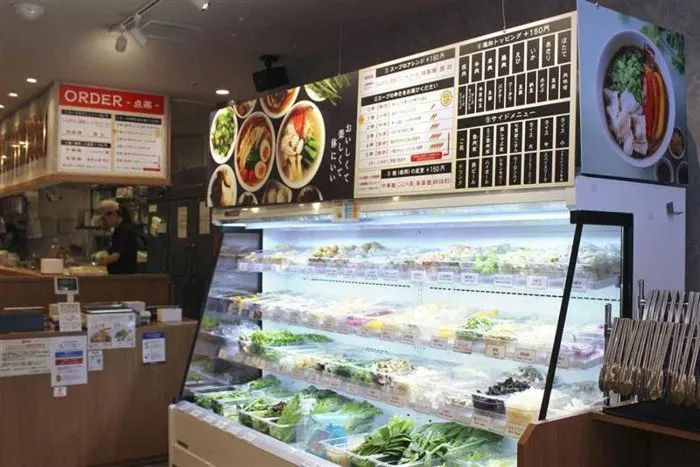
One of the biggest players is Cheepao Malatang, a chain with nearly 80 outlets nationwide. The format is simple and addictive: a base of soup and glass noodles, then a choice from more than 50 toppings — vegetables, mushrooms, processed fish cakes and more. The chain is known for house-made glass noodles designed to pair with its Chinese medicinal-style broth. On a mid-October visit to its Setagaya store in Tokyo, the room was packed with families and groups of friends, with regulars saying they come back two or three times a month just for the fun of choosing their own combination.
The craze has leapt well beyond restaurant walls. Ishokudogen.com's cup-noodle version, Chukabo Malatang, launched in 2024 with gluten-free sweet potato starch noodles and has sold over 23 million portions; the company liked the response enough to open its own restaurants, now three in Tokyo. Herbal medicine firm Nihondo sells a malatang-flavoured soup porridge (529 yen) that mixes the spicy broth with sweet black and red beans. Pizza Hut Japan even ran a limited-time malatang pizza in October, developed with Cheepao Malatang, topping dough with glass noodles, wood ear mushrooms, cheese and a Sichuan pepper mala oil.
There's even a game: Ten Ten Mala Tan operator Boku to Watashi and Inc released a free browser game starring a fish egg dumpling — a popular malatang topping — that rolls downhill as far as it can. Diners reportedly play it while queuing.
For food-focused travellers, this is a genuinely current reason to add a malatang dinner to a Japan itinerary. It's affordable, interactive and adaptable — pick mild toppings if you're spice-shy, or go full mala if you're not. Chains like Cheepao Malatang make it easy for newcomers since you build the bowl yourself and can see everything going in, and the genre has moved past novelty into everyday dining, with even family groups filling seats on weeknights.