Ultrarunner Joe "Stringbean" McConaughy has run 223 miles of high Sierra trail in 2 days and 16 hours, setting a new supported Fastest Known Time (FKT) on California's John Muir Trail. He reached the trail's northern terminus before dawn, roughly three hours faster than the previous supported record set by François D'Haene back in 2017.
It was a long-awaited result. This was McConaughy's third crack at D'Haene's time, and he had to average about 83 miles per day over terrain that includes roughly 47,000 feet of cumulative climbing — plus the 14,505-foot summit of Mt. Whitney, the highest point in the contiguous United States, which sits at the trail's southern end.
McConaughy is no stranger to these efforts. He briefly held the JMT's unsupported record in 2022 after covering the route in 3 days and 1 hour with no outside help, only to see Jeff Garmire knock it down weeks later. His bigger claims to fame are an unsupported Appalachian Trail record from 2017 (45 days, 12 hours) and a supported Pacific Crest Trail record from 2014 (53 days, 6 hours). The new JMT mark still awaits official verification on FastestKnownTime.com.
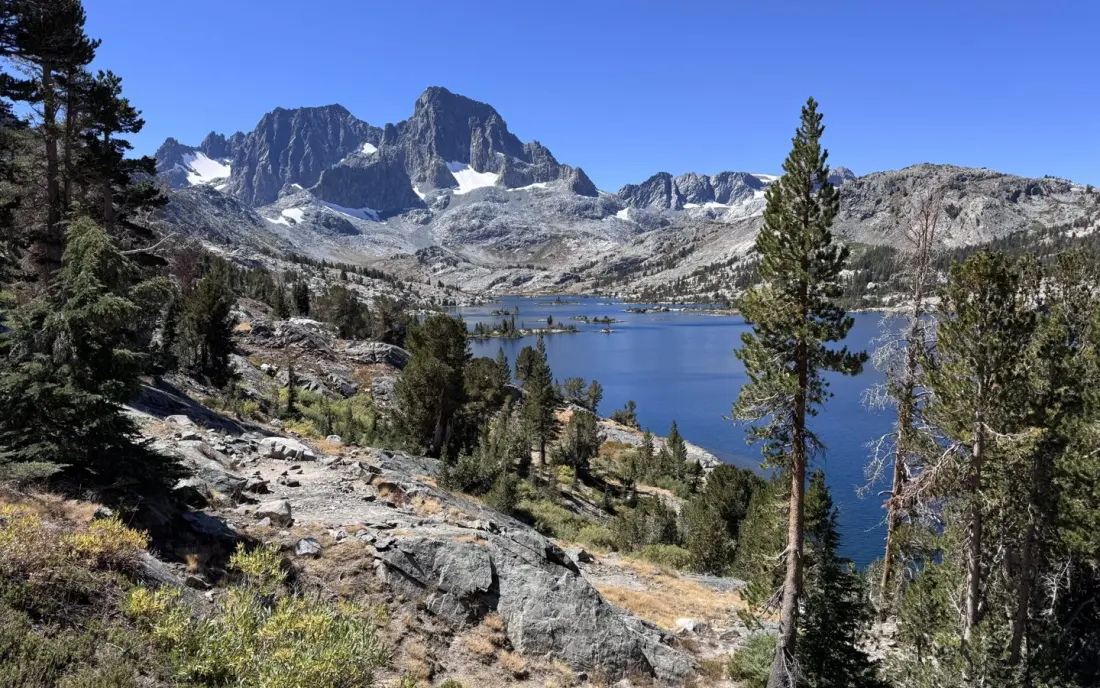
For anyone who loves the outdoors, the real story here is the trail itself. The John Muir Trail runs from Yosemite Valley to the Whitney Portal, threading through some of California's most dramatic mountain scenery — granite basins, alpine lakes, and high passes that stay snow-dusted into summer. McConaughy's run compresses into a weekend what most hikers take three weeks to walk, which says as much about the route's difficulty as it does about his legs.
Even if you'll never run 80-mile days, the JMT deserves a spot on the hiking bucket list. Permits are competitive and often require applying months ahead through the Yosemite or Inyo National Forest lotteries, and the season is short: most of the trail is snow-free only from July to September. Resupply is part of the planning puzzle too — hikers typically ship food buckets to a handful of points along the route. It's a serious undertaking, but that's exactly why records like this one capture the imagination of the trail community.
Whether the time stands or gets chased down next summer, McConaughy's effort is a good excuse to start planning your own (much slower) trip through the Sierra.