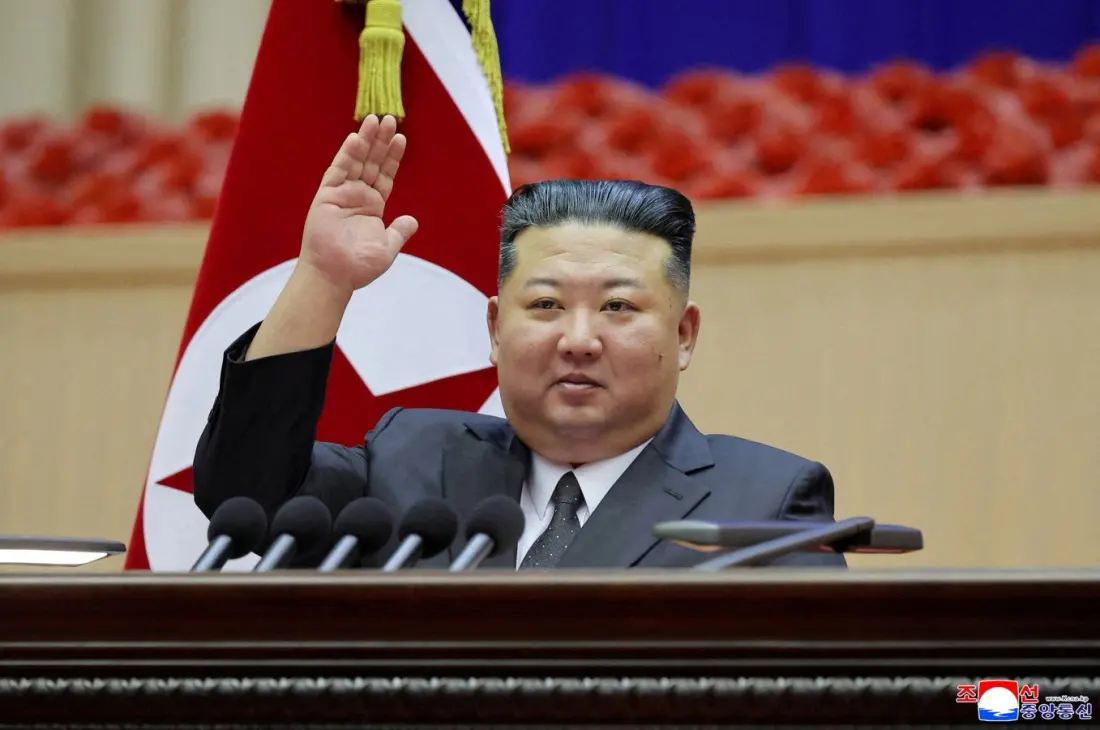
North Korean leader Kim Jong Un has made an unannounced visit to Dandong, the Chinese border city across the Yalu River from North Korea, according to South Korea's Yonhap news agency, which cited an anonymous government source in Seoul. Neither Beijing nor Pyongyang has confirmed the trip. He is reported to have crossed via a brand-new bridge — a four-lane, 3-kilometre road span linking Dandong with the North Korean city of Sinuiju, opened in mid-October to boost trade between the two countries.
The timing is pointed. The visit coincides with the anniversary of China's entry into the Korean War, known in China as the "War of Resistance Against the US and Aid to Korea." Between 1950 and 1953, Chinese forces fought alongside the North against South Korea and US-led UN troops. It is unclear whether Kim joined any commemorative events, but signs of a high-level visit had already emerged on Friday, when security in Dandong was noticeably tightened.
Dandong matters beyond the headlines. China is North Korea's most important trading partner — a relationship that persists despite UN sanctions over Pyongyang's nuclear weapons programme — and this border crossing is the main artery for that commerce. In June, Chinese President Xi Jinping made a state visit to North Korea, and the new bridge's opening suggests both sides are keen to deepen practical links.
For travellers, Dandong is one of the very few places where ordinary visitors can get close to North Korea. Tour boats and riverside promenades offer views across the Yalu to Sinuiju, and the city's Korean War history is written into its sights, including the remains of the original bridge bombed during the conflict. Headlines like this one tend to drive interest in border-tourism trips, though access to the North Korean side itself remains heavily restricted and subject to sudden closures.
If you're drawn to offbeat corners of northeast Asia, keep an eye on how relations evolve: Dandong's tourism fortunes rise and fall with diplomacy on the peninsula. The city itself is an easy, fascinating detour for anyone exploring Liaoning province or heading towards the Korean border by rail.