A new Chinatown is taking shape in the middle of Managua, and it's the most visible sign yet of a quiet commercial shift that has swept Nicaragua since it signed a free trade agreement with China.
The numbers behind it are striking. In the two years since the pact came into force on 1 January 2024, nearly 2,000 Chinese businesses have set up shop in the country, according to Shujin Huang, president of the Asociación Pro-Unificación Pacífica de China en Nicaragua. Most are small commercial operations rather than big industrial bets — net foreign direct investment from China reached US$29.3 million in 2025, just under 2 percent of Nicaragua's US$1.5 billion total, and much of the activity sits in commerce with a smaller slice in free-zone maquila work.
The diplomatic backstory explains the speed. Nicaragua switched recognition from Taiwan to Beijing in December 2021, the trade deal was signed on 31 August 2023, and the association pushing further Chinese investment was founded in May 2024 with high-level backing from both governments.
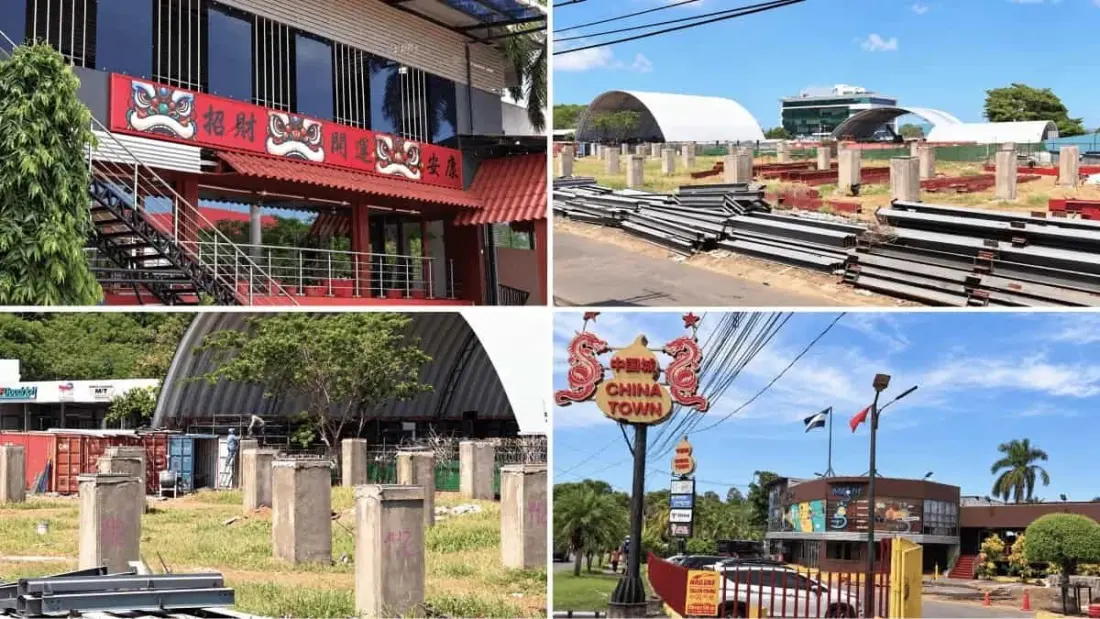
For visitors, the concrete landmark to know is Plaza China — also called Plaza 101 — rising near the Rotonda Universitaria in Managua. It's a two-storey complex of roughly 8,000 square meters with about US$3 million invested so far, designed to hold around 100 businesses run by Chinese, other Asian and Nicaraguan owners. Around 30 are already trading there. The build is mid-way through, and its most photogenic feature is a dragon-style stone arch more than six metres tall, carved in China and shipped over. The plan is to pack the complex with shops, restaurants and cultural events, effectively creating a Managua Chinatown where none existed before.
Why should a traveller care? Managua has long lacked a single go-to district for cheap, varied Asian food and shopping; Plaza China aims to fill that gap, and even in its unfinished state it offers an unusual addition to a capital most people breeze through en route to the Pacific beaches or colonial cities like Granada and León. If you're into food-and-market tourism or just want somewhere new to eat well on a budget, it's worth an hour or two — with the caveat that construction is ongoing, so expect a work in progress rather than a finished attraction.
There's also a broader lens here. Nicaragua is positioning itself as an outlier destination — safe, cheap and largely untouristed compared with neighbouring Costa Rica — and the influx of new businesses signals capital betting on the country's stability. Whether that translates into better hotels, restaurants and infrastructure for visitors remains to be seen, but a growing commercial capital usually means more choice for travellers too.
Who it's for: curious city-break travellers, food hunters, and anyone who likes seeing a destination before the guidebooks catch up. Just keep an eye on the evolving political and diplomatic context, which shapes the business climate here faster than in most countries.
Story first reported by The Tico Times.