Most visitors racing along France's Mediterranean coast blow straight past Marseillan on their way to Sète or the Riviera. That's their loss. This small port in the Hérault department of Occitanie sits on the edge of the Étang de Thau, a 75km² lagoon famous for its oyster and mussel beds, and it offers a version of the French seaside that's slower, saltier and a lot more local.
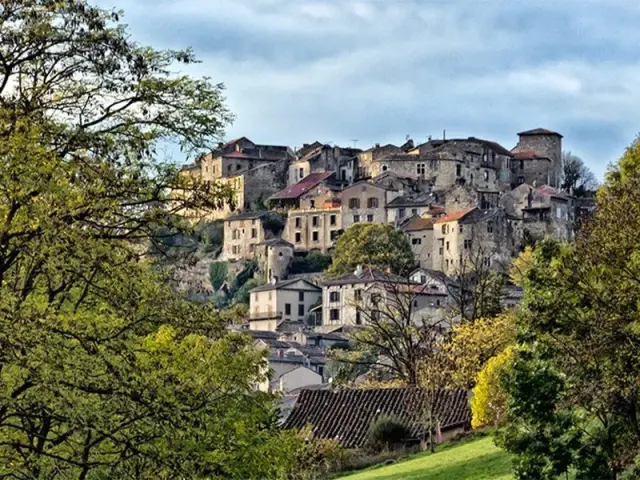
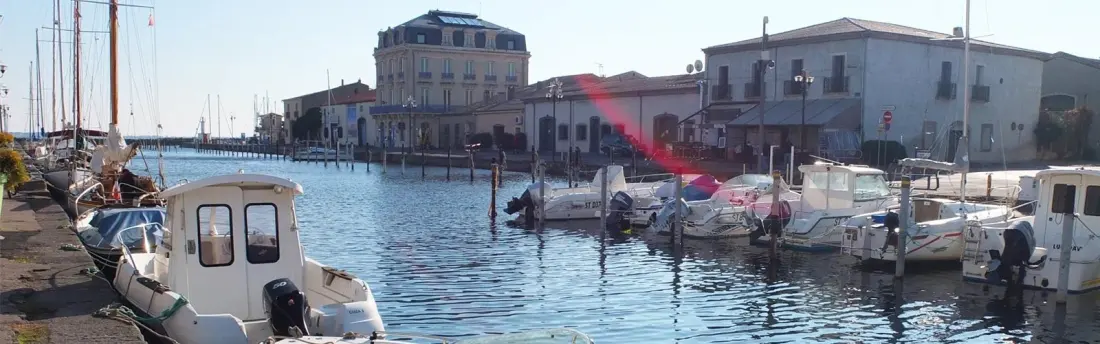
The town splits in two personalities. Marseillan Ville is the historic heart: narrow streets, shaded squares, the 17th-century Église Saint-Jean-Baptiste, and a harbour where fishermen still unload the morning catch while locals nurse coffees. By evening the quays turn into one long outdoor dinner table, all grilled seafood and clinking glasses. A short drive away, Marseillan Plage is the beach half of the equation, developed during the 1970s tourism boom, with wide sandy shores and shallow, calm water that families love. Sailing, windsurfing, paddleboarding and kayaking are on offer on both lagoon and sea, and despite the summer crowds you can still find a quiet patch of sand.
Food and drink give the town its identity. The lagoon's shellfish, eaten at rustic shacks or harbourside restaurants, pairs naturally with a chilled Picpoul de Pinet from nearby vineyards. Then there's Noilly Prat, the French vermouth that has been made in the port since the early 19th century. Its wine is aged outdoors in oak barrels, exposed to sun, sea wind and salt air — a process you can see for yourself on a cellar tour that ends, unsurprisingly, with a tasting.
If you want to see the town at full volume, time a visit for the Fête de la Saint-Louis, when the quays host joutes nautiques — competitive water jousting on traditional boats, with crowds perched on the harbour edge cheering their teams on. Summer also brings the gloriously odd Lou Capelet, in which competitors climb a greased ship's mast suspended over the water, having first stopped at every bar in town for a Ricard. Add open-air concerts, a midnight craft market and Vin Primeur celebrations in October and November marking the year's first wine, and the calendar stays busy even in the shoulder seasons.
Beyond the water, the 17th-century Canal du Midi, a UNESCO World Heritage Site linking Atlantic to Mediterranean, passes close by — its tree-lined towpaths are made for slow cycling, and boat trips reveal the engineering behind it. Nature fans should head to the Réserve Naturelle du Bagnas (guided visits) for herons, egrets and kingfishers; the lagoon itself hosts pink flamingos.
Marseillan isn't about ticking off attractions. It's for travellers who want long lunches, morning markets, an afternoon swim and a stroll along the harbour as the light goes golden — an understated alternative to the region's better-known names, with a strong sense of community and maritime tradition behind it.