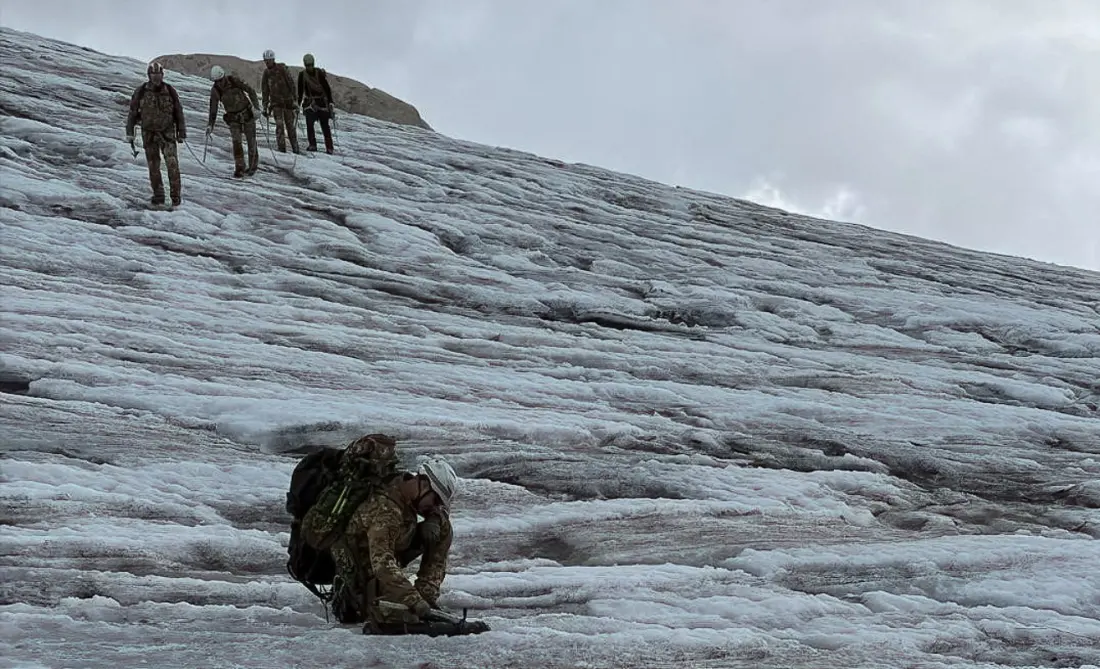
Italy's army has recovered and neutralised more than 250 explosive devices left over from the First World War, after record summer heat stripped ice from the Dolomites and exposed munitions that had been frozen in place for over a century.
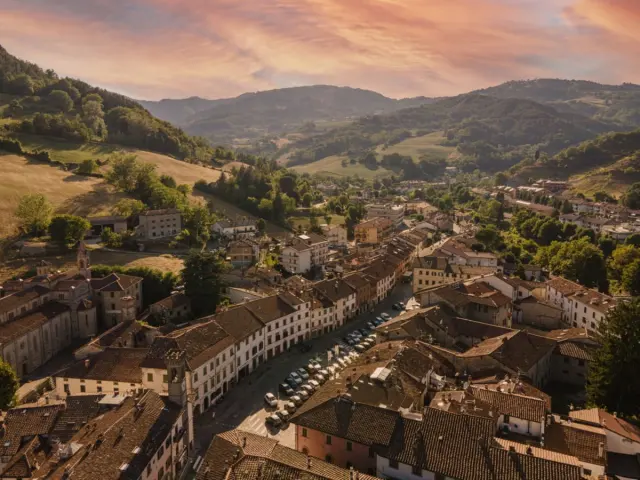
The finds were concentrated around Canal San Bovo in the Primiero Valley, in eastern Trentino, where the Julia Alpine brigade carried out clearance sweeps after hikers reported suspicious objects. Among the haul were 18 Italian 75mm artillery shells and 37 Thevetot mortar shells. The brigade frames the work bluntly: removing hidden dangers from trails that mountaineers, hikers and tourists use every year.
The munitions date from the "White War" of 1915-1918, when Italian and Austro-Hungarian troops fought at altitude in brutal conditions — freezing cold, deep snow, and heavy equipment hauled across treacherous ground. Men fell to their deaths, gear was lost, and as the fighting ended soldiers abandoned whatever they couldn't carry. That litter of war has been emerging ever since the 1990s, but accelerating melt is speeding things up dramatically.
It isn't only weapons. When ice receded in a cave barracks on Mount Scorluzzo, finds included clothes, coins, diaries, lanterns, letters, newspapers, postcards, preserved food and straw beds — an eerily intact snapshot of soldiers' daily lives in the mountains.
For travellers, the practical point is simple: these mountains are a living, sometimes hazardous, open-air museum. If you're hiking the Dolomites in summer and spot something that looks like old metal or ordnance, don't touch it or try to move it. Take a photo if it's safe, and report it to local authorities. Officials in Trentino are now running public safety campaigns precisely because visitors are increasingly the first to come across these objects.
There's a bigger story here too. The retreat of the glaciers is reshaping Europe's high mountain destinations — revealing history, but also signalling how much the alpine environment is changing. The same low-snowfall, high-melt years that expose century-old shells are the ones reshaping ski seasons and trekking routes across the region.
Anyone planning a summer trip to the Dolomites should go anyway — the trails, refuges and views remain extraordinary — but go informed. Stick to marked paths in areas with a military history, keep an eye on local notices, and treat any rusted metal on a glacier margin as a reason to call the authorities rather than a souvenir opportunity.