A wave of Houthi missile and drone attacks that began on 6 October has forced Saudi Arabia's biggest airport into a prolonged wobble - but instead of collapsing, the country's aviation network has bent and rerouted itself. For anyone with flights booked through the Gulf, that rerouting is now the story that matters.
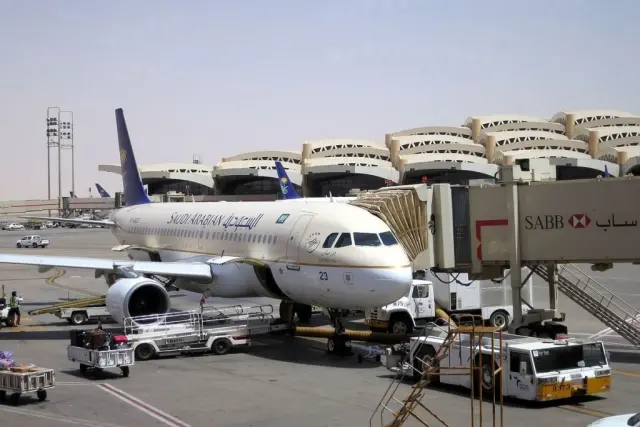
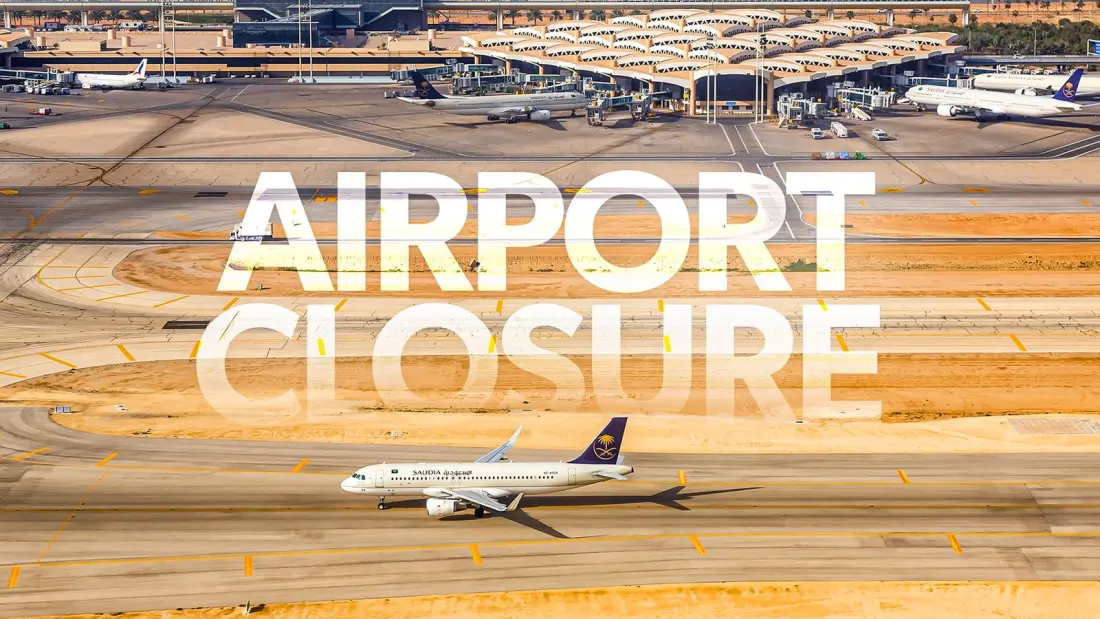
Riyadh's King Khalid International (RUH), a 42-million-passenger-a-year hub and home base for both Saudia and the startup Riyadh Air, has seen cancellations, diversions and suspensions since the attacks began. The damage has been real: a Saudia Airbus A320 was reportedly destroyed by a missile strike on 8 October, and Arab News counts 19 deaths and 364 injuries across the series of attacks, which also hit Abha International and other Saudi airports. Reuters says the attacks are ongoing and that 12 airlines have publicly changed their schedules.
What's striking is how much traffic is still crossing the country. Flight tracking data shows that the dense stream of Europe-Asia long-haul flights - the London-to-Singapore, Frankfurt-to-Mumbai corridors - has largely kept using Saudi airspace. Airlines haven't abandoned the Kingdom; they've quietly shifted landings and departures away from Riyadh toward other gateways, most visibly Jeddah (JED). Meanwhile, EASA has updated its conflict-zone guidance for Saudi Arabia, warning of missile and drone risks, air-defence activity and falling debris.
The airline response is a patchwork of suspensions with wildly different timelines. Several carriers have paused Riyadh flights until mid-to-late October, others until the end of November, and at least one has pushed a new Atlanta-Riyadh route launch back to March 2027. Etihad cancelled Abu Dhabi-Riyadh flights plus ten more to Dammam and Jeddah. Some carriers have cut Jeddah and Madinah too, though far fewer than those avoiding Riyadh.
Jeddah is the clear winner in the shuffle. It was already Saudi Arabia's busiest international gateway, Saudia's main hub and the front door for religious travel - the 2025 Hajj season moved more than 19 million passengers across 128,000 flights, and Jeddah finished 2025 with a record 53.4 million passengers. That surge-handling muscle makes it the natural pressure valve while Riyadh operates below normal.
For travellers, the practical effect is fewer direct options to the Saudi capital, longer itineraries and a decent chance of being routed through Jeddah, Dammam or elsewhere. The likely long-term pattern mirrors Tel Aviv's Ben Gurion, where carriers like Delta and United have spent nearly three years suspending and resuming service as security conditions shifted, without ever fully walking away. Riyadh will probably follow the same rhythm: expect schedule turbulence to continue, and expect restoration to happen airline by airline rather than all at once. If your booking touches Saudi Arabia in the coming weeks, check directly with your carrier and build in connection buffer.