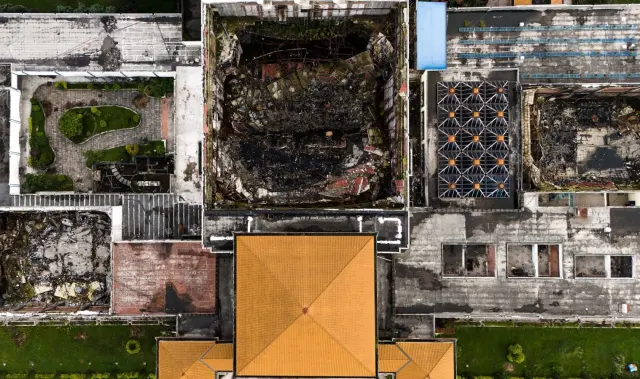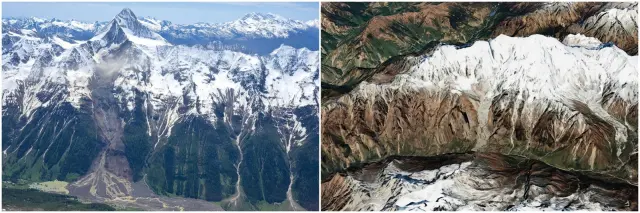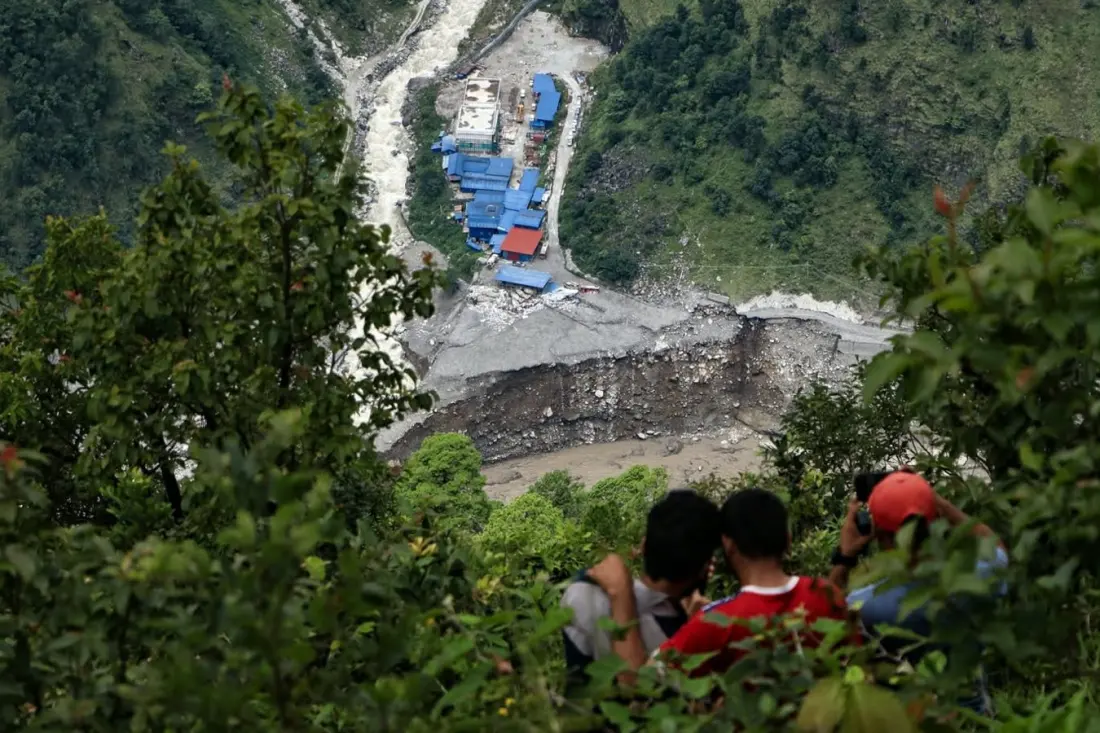
Nepal has put a number on the August floods that tore through the Bhotekoshi-Trishuli corridor: $4.7 billion, according to a Rapid Damage and Needs Assessment published by the country's National Disaster Risk Reduction and Management Authority (NDRRMA). The disaster, which began on 26 August, has claimed at least 1,386 lives across districts including Rasuwa, Nuwakot, Dhading, Gorkha and Chitwan, with 5,130 people still missing — a human toll that sits grimly alongside the 2015 earthquake, which killed 8,773.
The biggest financial hit landed on infrastructure, at roughly $2.6 billion or about 65% of the total. Energy was hammered hardest: 13 hydropower projects and five solar plants with a combined 783 megawatts of capacity took just under $1 billion in damage, wiping out about a fifth of Nepal's pre-disaster electricity generation. That's more than five times the hydropower losses of the 2015 earthquake, and the full bill may climb, since damage to tunnels, headworks and powerhouses hasn't yet been fully assessed.
For anyone who has travelled between Kathmandu and Langtang or the Rasuwa border crossing, the geography will be familiar. The assessment treats the Bhotekosi-Trishuli-Narayani corridor as one connected system — roads, river settlements and power infrastructure all vulnerable together, and increasingly so as climate change intensifies. Disaster and climate risk mitigation accounts for about 13% of the recovery budget, with a multi-hazard early warning system targeted for delivery within six months. Nearly 680,000 warning SMS messages were sent via Nepal Telecom and Ncell during the floods, though how well those alerts actually worked is still being studied.
The human displacement picture is stark. Around 33,000 people were affected by the floods, and 3,685 are currently living in 37 holding centres across Nuwakot, Rasuwa and Dhading — Nuwakot alone accounts for more than half of impacted households. Infrastructure Minister Sunil Lamsal says resettlement will take about two years, with the government prioritising moves from holding centres to temporary housing as road access is restored.
Some of the smaller line items matter most on the ground. Eighteen schools — disrupting more than 9,000 students — and seven health facilities were damaged, yet all public building repairs total under $50 million, a small slice of the budget but among the most urgent early recovery work.
For travellers, the practical takeaway: the routes north of Kathmandu towards Langtang, Rasuwa and the Nepal-China border face a long rebuild, so anyone planning treks or overland trips in central Nepal should check road status and local conditions before committing. Recovery will also reshape how the region manages rivers and settlements, with implications for where it's safe to stay near water in the coming years. The full 110-page RDNA report is worth reading if you're travelling to the affected districts or working in Nepal's tourism or energy sectors.