Tucked down Callejón de Espada in Old Havana, inside a 19th-century building that once housed Bishop Juan José Díaz de Espada y Landa, a project called Uranga Collections is giving Cuba's collectors something they've long lacked: a home base.
The initiative is the work of Maylet Uranga Hernández, a lifelong collector with more than 5,000 books and objects to her name. Her particular weakness is vitolfilia — the collecting of cigar bands and rings — which makes sense given her role as president of the Cuban Vitolfilic Association, itself based in the same former bishop's residence. She credits the Office of the City Historian with much of her professional formation, and the project works closely with local institutions in the historic centre.
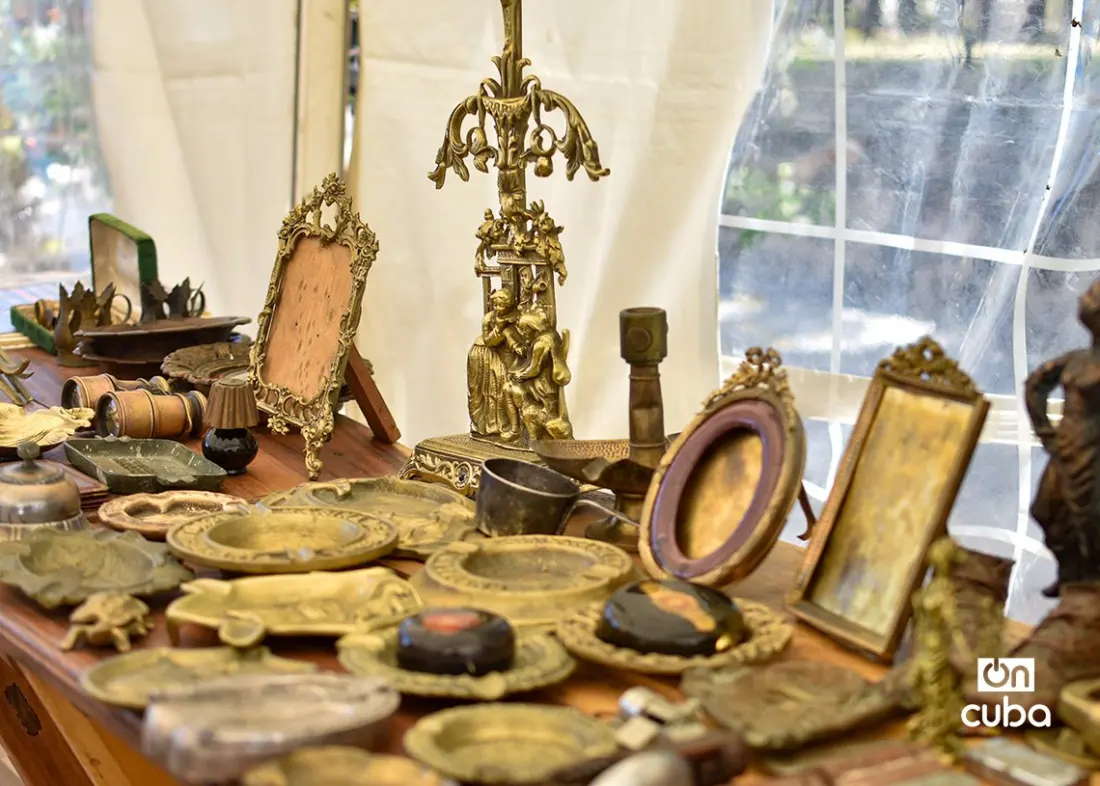
But Uranga Collections isn't a museum or a private trophy room. It doubles as a café and an exhibition and meeting space, with activities that regularly spill out onto the street. Collectors of every stripe — numismatists, philatelists, furniture and book enthusiasts — gather periodically to swap expertise and plan ahead, even as the country navigates difficult economic conditions. 'We safeguard this country's heritage,' Uranga Hernández says, 'because without collecting, there is no history.'
The project shows no sign of slowing. Collectors are invited to display their holdings and share knowledge not just with each other but with the general public, so that — in her words — people can enjoy art, literature and history even in hard times. Photojournalist Otmaro Rodríguez recently offered a photo essay glimpsing the collections the project has helped bring together.
For travellers, this is the kind of place guidebooks miss. Old Havana is dense with restored palazzos and tourist fixtures, but Uranga Collections offers something rarer: a live, working cultural space where you can drink coffee among cigar bands, coins and rare books while chatting with the people who preserve them. If you're in Havana Vieja and want a break from the main squares, duck into Callejón de Espada and see what's on display. You'll leave with a sharper sense of how Cubans themselves are keeping their own history on the shelves.