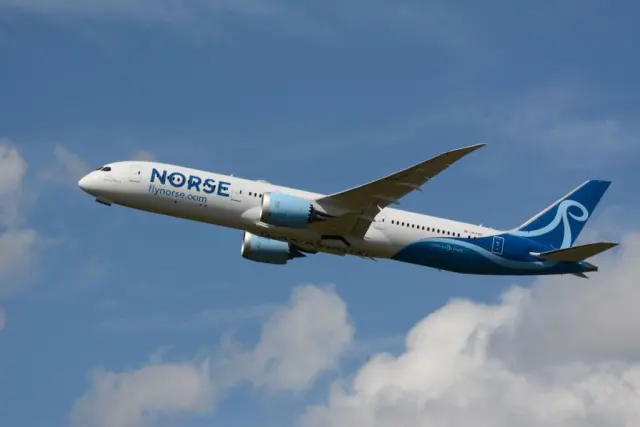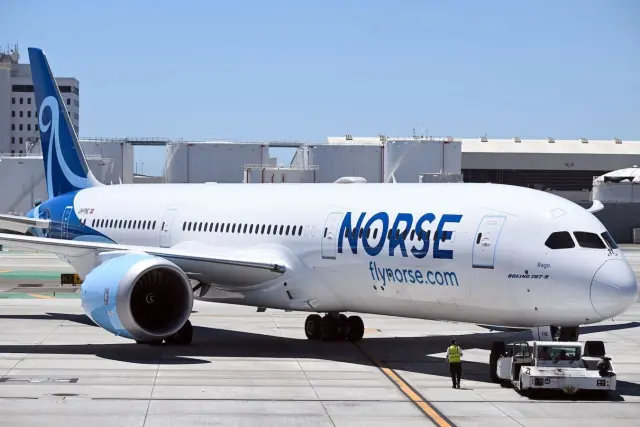
Budget long-haul airline Norse Atlantic Airways has suspended its entire flight schedule and told investors it will file for bankruptcy unless it secures emergency funding quickly. The Oslo-based carrier halted all operations on Thursday 26 November, describing its financial position as critical. It hasn't said how long the grounding will last, how many passengers are affected, or who it is negotiating with for fresh capital.
For anyone holding a Norse ticket, the practical picture is uncertain. The airline's scheduled network linked London Gatwick with Bangkok, Cape Town and Orlando — routes often slotted into longer, self-made itineraries. Travellers who booked Norse directly as one leg of a bigger trip may need to rebook those sectors with another carrier.
There's a hidden catch, too. Norse leased aircraft and crew to other airlines under wet-lease deals, meaning your booking could show one airline's name and flight number while a Norse plane operates the flight. Pakistan International Airlines felt this directly on 25 November: passengers at London Heathrow and Manchester were preparing to board Norse-operated PIA flights to Islamabad and Lahore when the suspension hit with no warning. PIA cancelled both departures and has since switched to its own Boeing 777s on UK routes. The takeaway for travellers and agents alike: check the 'operated by' line on any itinerary for upcoming departures.
Norse carved out a place in aviation history along the way. In August 2024, one of its Boeing 787-9 Dreamliners flew nonstop from Oslo to Darwin — a 16-and-a-half-hour, roughly 14,730-kilometre charter flight for Spanish carrier AlbaStar — the first time passengers had ever flown nonstop between Norway and Australia.
The bigger story is what the collapse says about cheap long-haul flying. Norse launched to fill the hole left when Norwegian Air abandoned its long-haul operation, betting that rock-bottom fares could make transatlantic routes work. Its grounding adds another name to a long list of budget long-haul startups that couldn't make the maths stack up. For travellers, the lesson keeps repeating itself: the cheapest fare on the screen is worth little if the airline selling it can't stay in the air. Booking a cut-price long-haul carrier isn't automatically a mistake, but it's worth weighing the airline's financial footing — and considering how you'd rebook if things go wrong — before committing a whole trip to it.