
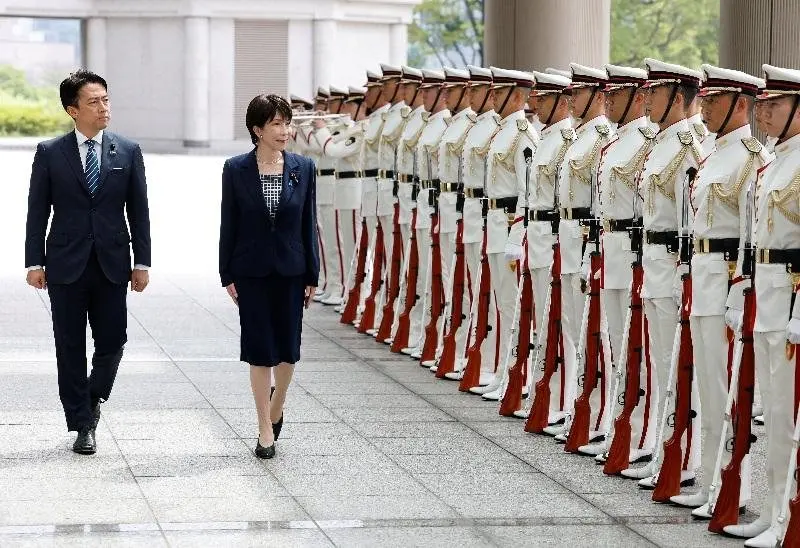
Okinawa has voted for change. Genta Koja, a 42-year-old candidate backed by Prime Minister Sanae Takaichi's government, won the prefecture's gubernatorial election with 59% of the vote, ending two-term incumbent Denny Tamaki's time in office and 12 years of leadership that pushed back against Tokyo's military plans. The campaign itself turned less on bases and more on a familiar worry anywhere in Japan right now: the rising cost of living.
Why does this matter to anyone who isn't following Japanese politics? Because Okinawa is both a holiday paradise and the front line of Japan's defence posture. The island chain sits close to Taiwan — Yonaguni, the westernmost inhabited island, is only 110km east of it — and hosts the largest concentration of US military facilities in Japan. Koja's win means the prefecture is likely to drop its legal challenges to relocating US Marines from the Futenma air base to the new facility at Henoko, and may open civilian airports and ports to military use, according to University of the Ryukyus professor emeritus Masaaki Gabe.
The timing matters too. Takaichi's government is preparing a new national security strategy expected to accelerate Japan's biggest military build-up since World War II, driven by concerns over China's activity around Taiwan. Missile and electronic-warfare units have already been stationed on several southwestern islands, with ammunition storage expanding. For travellers, that could mean more military traffic at small island airfields, occasional restrictions, and a changing feel in places that were once sleepy far-flung outposts — even as most beach resorts, dive sites and heritage sites in the main tourist corridor remain untouched.
None of this should put anyone off visiting. Okinawa's appeal — coral reefs, distinctive Ryukyu culture, a subtropical climate and famously long lifespans — is intact, and areas around bases like Futenma have coexisted with military presence for decades. But if you've been meaning to explore the remote southwestern islands such as Yonaguni, Miyako or Ishigaki, the coming years may change their character, and infrastructure there will be developing fast either way.
For holidaymakers, the story is a useful reminder that Okinawa is not one place but a chain of very different islands, some of which sit at the centre of Asia's most sensitive geopolitical flashpoint. Watching how this plays out is worthwhile if you're planning trips beyond the main island's resort belt.