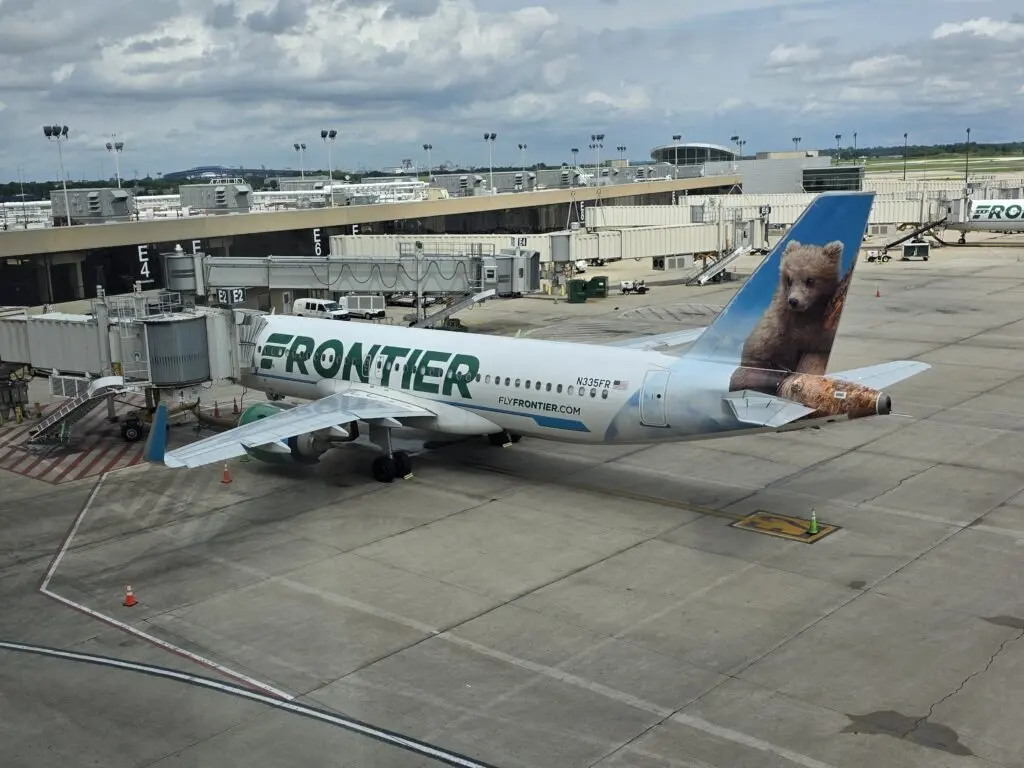
A Frontier Airlines passenger shared a post on Reddit after a flight attendant asked them to add a tip while paying for an inflight coffee — and it turns out the screen prompting that question has been part of Frontier's payment tablets since autumn 2015.
Here's how it works. When you buy drinks or snacks on a Frontier flight, the crew member's tablet can flash a tipping prompt with suggested amounts (one traveller previously reported options starting at 18% for a beer and snacks). Flight attendants can skip the screen entirely, and according to crew members commenting online, most of them do because the moment feels awkward. One Frontier flight attendant explained that passengers who booked the cheapest fare in the country rarely expect to tip, and those who do want to give something usually hand over a $5 bill instead.
The money side has evolved. When the tipping option launched, tips were pooled among the crew on each flight; since 2019, each flight attendant keeps whatever they collect on their own sales. One crew member said they take home $150 to $250 a month in tips. The flight attendants' union, meanwhile, has been uneasy about the whole setup — it adopted a policy in 2016 opposing any move to replace hourly wages with tips, and union president Sara Nelson argued in 2019 that pay for a safety-critical job shouldn't hinge on customer gratuities.
Why does it exist at all? Critics point to Frontier's famously lean cost structure. Starting pay is $25.50 per flight hour, and a first-year reserve flight attendant guaranteed 75 hours per bid period earns roughly $23,000 a year. The airline's defenders and some crew argue that if passengers pay a bit more directly, it helps retain staff despite those low base wages. The airline has also shifted toward out-and-back routes, so many crew sleep at home rather than layover hotels — cheaper for the company, though commuting crew get less per-diem time.
For travellers, the practical takeaway is simple: the tip is optional, and skipping it won't affect your coffee. Passengers in the discussion are split — some happily tip a friendly crew member, others feel an ultra-low-cost carrier should pay its people properly rather than nudge fares-and-fees-fatigued customers at 30,000 feet. (One reader joked about the appropriate tip for helping someone down an emergency exit slide, and whether it earns mileage points.)
The story says something broader about budget flying in the US: rock-bottom fares come with trade-offs, and the tipping culture that has crept into airports and self-service kiosks has now been sitting quietly on airline trays for a decade. If you fly Frontier, know that the prompt may appear, crew don't expect it, and whether you tap a percentage or hit skip is entirely your call.