A quiet but meaningful shift happened at the UN biodiversity talks in Yerevan this October: Pacific Island nations pushed through proposed recognition of indigenous and community-managed conservation areas under global protection targets.
At CBD COP17, held in Armenia's capital from October 19 to 30, delegates worked language into the negotiating text that would count indigenous territories and community conservation areas alongside formally protected areas under Target 3 of the Kunming-Montreal Global Biodiversity Framework. That target aims to conserve at least 30 per cent of the world's land, inland water, coastal and marine zones by 2030 — while respecting indigenous rights. The preamble now acknowledges indigenous and traditional territories, though the text still needed formal adoption when the conference wrapped.
For the Pacific, this matters more than it might sound. Vanuatu's delegate Dean Wotlolan, speaking for national and Pacific Small Island Developing States' interests, pointed out that roughly 90 per cent of Vanuatu's conservation areas are owned and governed by indigenous communities. Without formal recognition, decades of community-led stewardship simply didn't count toward international targets. His framing: this is about formally acknowledging work that's already being done.
The mechanism at play is the oddly-named OECM — Other Effective Area-Based Conservation Measures. These are places outside official national parks and reserves that still deliver real, long-term biodiversity outcomes through how they're managed. Think customary fishing closures, clan-owned forest taboos, village-enforced reef protection. So far the Cook Islands holds the Pacific's only reported OECM, while Vanuatu is reviewing its environmental laws to bring similar arrangements into the fold.
The numbers show how far the world has to go. The 2024 Protected Planet Report found just 8.5 per cent of global land is both protected and connected, up from 7.84 per cent in 2020. Oceania's outliers are striking, though: Pitcairn has 58 per cent of its land protected and connected, New Caledonia 56 per cent, and Tuvalu 37 per cent.
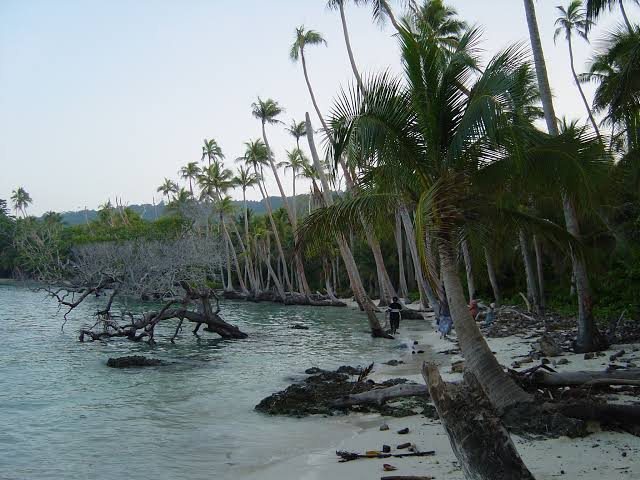
Why should a traveller care? Because the Pacific's conservation model is community-owned, and visitors experience it directly — guided reef snorkels on customary marine reserves, treks through land where access depends on local permission, village-run eco-lodges. Recognition at the UN level strengthens the case (and hopefully the funding) for keeping these places healthy, which is exactly what makes a trip to Vanuatu, the Cook Islands or Tuvalu special in the first place. If you've ever wanted your travel dollars to support conservation that genuinely benefits local people, this is the region doing it at scale.