A routine flydubai flight turned into a life-or-death struggle at 34,000 feet on Wednesday. Flight FZ1073, a Boeing 737 MAX flying from Dubai to Tel Aviv, suddenly dove thousands of feet after one pilot allegedly attacked the other inside the cockpit. Passengers and crew fought back, backup pilots took over, and the plane landed safely in Saudi Arabia. Everyone on board survived.
Here's what we know. The aircraft had been cruising when, shortly after entering Jordanian airspace, an Omani copilot allegedly stabbed the Emirati captain and tried to force him out of the cockpit as the jet descended. The plane's transponder sent squawk 7700 (general emergency) and 7500 (hijacking/unlawful interference) before it levelled off around 15,000 feet and diverted to Tabuk in northwestern Saudi Arabia. Both operating pilots were hospitalised.
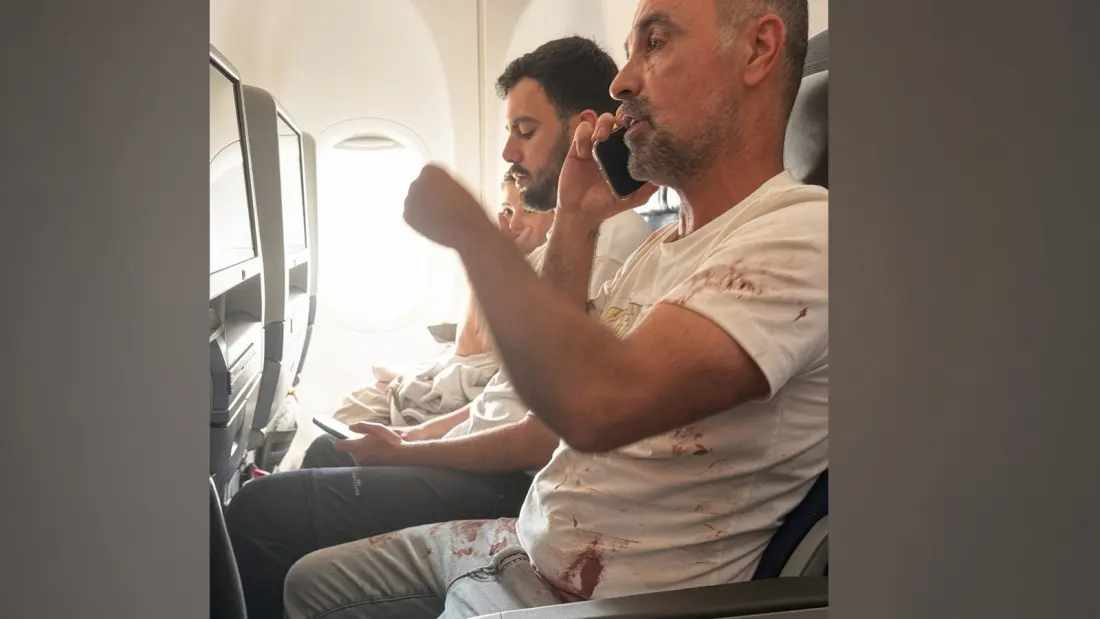
The landing only happened because of extraordinary luck and quick thinking. Two additional pilots happened to be aboard for training. According to a passenger speaking to the Jerusalem Post, travellers near the front rushed the cockpit, subdued the attacker, and got the standby pilots inside — one of whom then took the controls. A passenger described how one of the off-duty pilots flew the plane while an Israeli dentist treated the wounded captain.
Israeli officials are treating the event as a terror incident, with theories ranging from attempted hijacking to a murder-suicide attempt — a struggle to stop someone from deliberately crashing the aircraft. That's a shift from initial reports of a simple fight between pilots.
The fallout is political as well as operational. Israeli Transportation Minister Miri Regev has asked for flydubai flights to and from Israel to be suspended, and reports suggest the airline's operating agreement requires pilots to come from countries with diplomatic relations with Israel — which Oman doesn't have, potentially making the Omani copilot ineligible for the route in the first place. Meanwhile, El Al says it's stepping in to help Israeli travellers get home, including those who flew out on other airlines.
Why should holidaymakers care? For anyone flying Middle East routes, this is a reminder of how much rides on crew vetting, cockpit security protocols and the slim odds that extra pilots happen to be onboard. It also shows how a mid-air emergency can strand you in a third country — in this case, a Saudi airport not set up for a diverted international wide-of-passengers operation. Check your airline's rebooking support and travel insurance cover for diversion costs before you fly long-haul on newer or politically sensitive routes.
For now, flydubai has confirmed all passengers are safe and accounted for, and the aircraft — reportedly with damage to its tail — is on the ground in Tabuk. Investigations will determine exactly what happened in that cockpit and whether route or crew requirements change as a result.