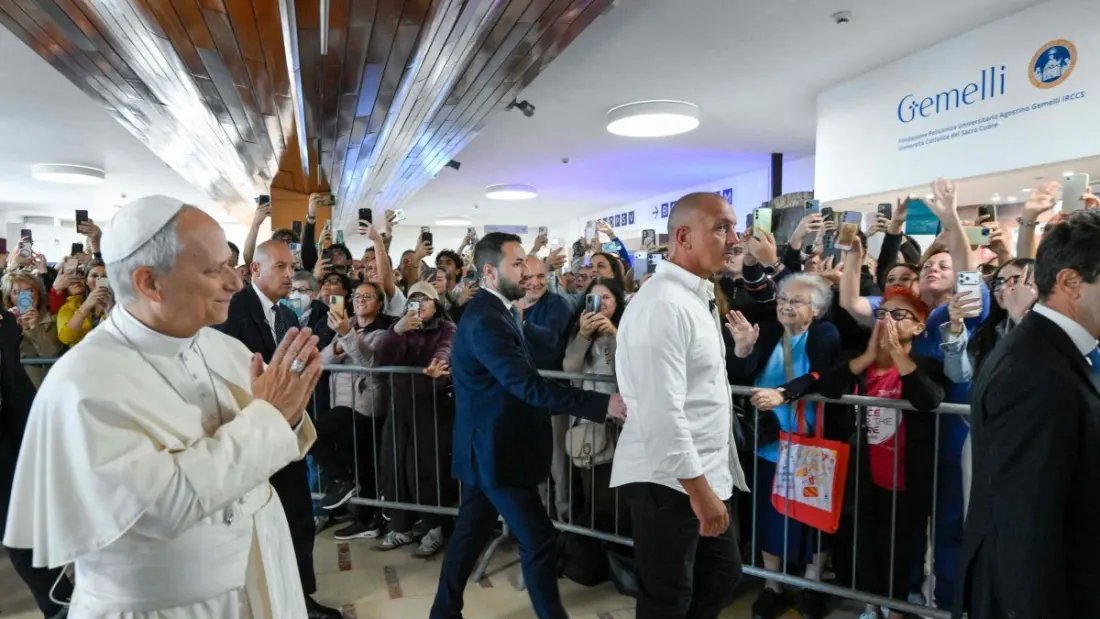
Pope Leo XIV is recovering after surgeons at Rome's Gemelli hospital removed a small lung nodule on Tuesday, in what the Vatican described as a planned and successful operation. The 71-year-old pontiff walked into the hospital through the main entrance that morning, waving to well-wishers, and was back in his room by evening after the procedure, led by Gemelli's chief thoracic surgeon Dr. Stefano Margaritora.
The nodule — an abnormal spot under 3 centimetres — turned up during routine checks and was flagged by Leo himself at his Sunday noon prayer, an unusually open approach for a papal health matter. Doctors say the timing is on his side. Dr. Lorenzo Spaggiari of Milan's European Institute of Oncology, speaking independently, noted that even if the nodule proves cancerous, removing it early gives an "excellent" prognosis, with surgical risk for a fit patient as low as 0.6-0.8%. Gemelli is equipped for robotic bronchoscopy (the ION system can biopsy nodules as small as 3mm) and da Vinci robotic surgery, meaning biopsy and removal can happen in a single session under one anesthesia.
The stay is expected to last about a week, and the Vatican has cancelled all papal audiences through Oct. 20. One small logistical wrinkle: the traditional papal suite on Gemelli's 10th floor — complete with private chapel — is under renovation, so Leo is in a nearby room instead.
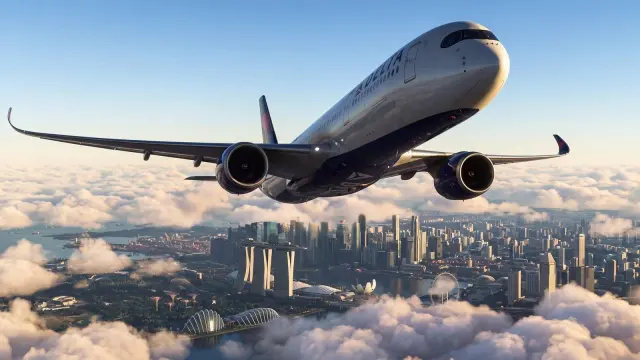
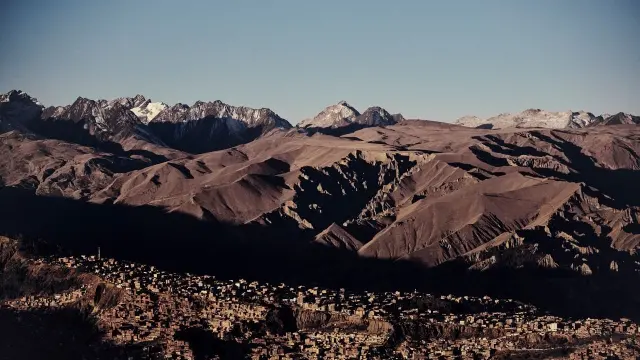
For travellers, the stakes are calendar-shaped. The pope's longest trip yet is scheduled for Nov. 6-17, taking in Uruguay, Argentina and Peru — roughly 31,000km across a dozen flights, two helicopter rides and serious altitude changes in the Andes. Post-surgery guidance typically advises no flying for three weeks, which leaves a narrow but workable window. Tokyo's Cardinal Kikuchi, who visited Leo the day before surgery, said the pope deliberately scheduled the operation early precisely so overseas plans wouldn't have to change. Pilgrims with Rome trips booked in the coming weeks should note that general audiences are off until at least Oct. 20, though St Peter's and the Vatican Museums operate normally — papal hospital stays don't close the city. Leo, a sporty 71-year-old who plays weekly tennis and swims, is only thought to have been hospitalised once before, when typhoid fever struck him as a young missionary in Chulucanas, Peru in 1985 — an experience he later credited with keeping him in Peru, and setting him on the path to the papacy.