A 60-year-old woman was burned on the thumb when her power bank overheated and began smoking on a flight from Hong Kong to South Korea, an incident that underlines just how seriously lithium batteries should be taken at 35,000 feet.
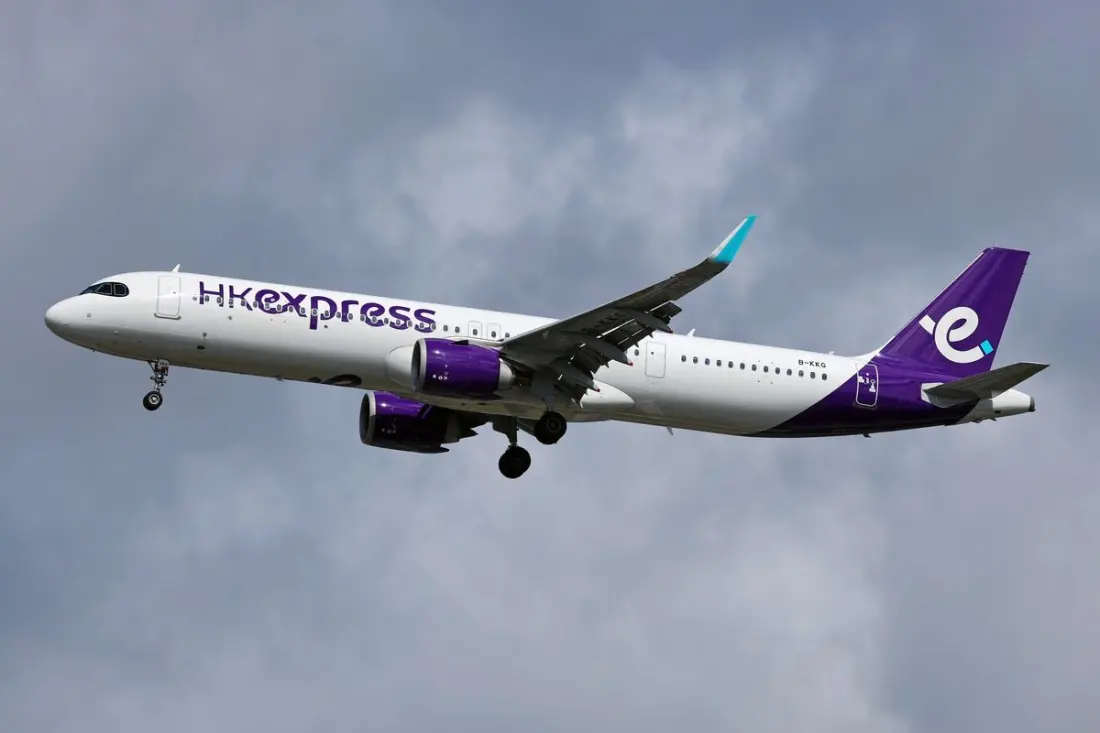
The trouble started on HK Express flight UO676, a roughly two-and-a-half-hour hop from Hong Kong to Jeju island. Between 6.20 and 7.19am on Sunday, a portable battery in a bag under the passenger's seat began overheating. As she pulled the device out of the bag, it reportedly exploded, leaving her with a burn to her left thumb. Emergency crews were waiting at Jeju airport, where she was treated with first aid and a wound dressing before being handed to paramedics.
Cabin crew responded quickly, putting the smoking device into a heat-resistant fire containment bag and submerging it in water — the standard drill for battery fires in the cabin. Eight firefighters and two emergency vehicles attended the aircraft once it landed, and a fire investigation team carried out safety checks on auxiliary batteries in the cabin. There were 236 passengers and seven crew on board, and no one else was hurt.
HK Express, a Cathay Pacific subsidiary, apologised for the disruption and reiterated its battery policy, which lines up with ICAO and Hong Kong Civil Aviation Department rules: a maximum of two power banks per person, carried in the cabin only — never in checked luggage — and, crucially, not used for charging devices, not recharged, and not stored in overhead lockers during the flight. In other words, your power bank should travel with you, under your watch, but stay switched off and idle until you land.
The episode is a useful reminder for anyone packing for a trip. Lithium batteries can fail even when they've been sitting unused in a bag, and heat, pressure and physical damage all raise the risk. Keep them in your personal item rather than an overhead bin (so any problem is spotted early), protect them from knocks and loose metal objects, and check the watt-hour rating before you fly — most airlines cap batteries at 100Wh without approval. If you're flying HK Express or a similar budget carrier, note that limits on quantity and use are actively enforced, and the safest move is to charge your devices before boarding and leave the power bank alone in the air.
Why it matters: battery fires are among the more common in-flight incidents airlines deal with, and they're almost entirely preventable by passengers following the rules. A burned thumb here was a lucky outcome — crews are trained for this, but the best outcome is a power bank that never overheats at all. Anyone jetting off on a beach break or city escape with a phone, tablet and spare battery in tow should give this policy a quick read before packing.
Reporting: The Independent Travel