Global searches for first and business class flights jumped 99% year-over-year in the first half of 2026, according to a Trip.com report - even as economy demand stayed flat. The gap between the front of the plane and the back keeps widening, and airlines are rebuilding their fleets around it.
The numbers go beyond flights. Searches for five-star hotels rose 57%, and premium travellers are now booking trips of 14 days or longer. More than 40% of premium bookings for the second half of the year are headed to long-haul routes. The profile that emerges is a traveller with money and time to spare, less bothered by price and more focused on the experience itself.
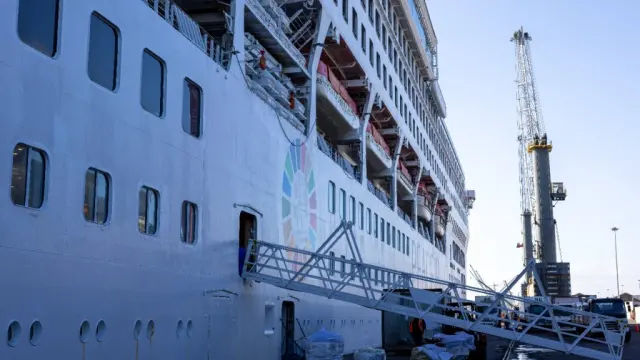
Cruise lines are riding the same wave. Luxury and expedition cruising is growing fast, with Antarctica as the standout market - luxury-brand sailings run $10,000-12,000 per person at the shoulder edges of the season, closer to $15,000 on standard dates, and $17,000-25,000 for prime dates and extended voyages. Eighteen months ago those same trips cost notably less. It's not just the ultra-luxury end: Royal Caribbean keeps adding ever-larger ships, MSC has another World Class vessel coming, and Explora is tripling its fleet from two ships to five in just 18 months. Four Seasons and Orient Express are both adding yachts.
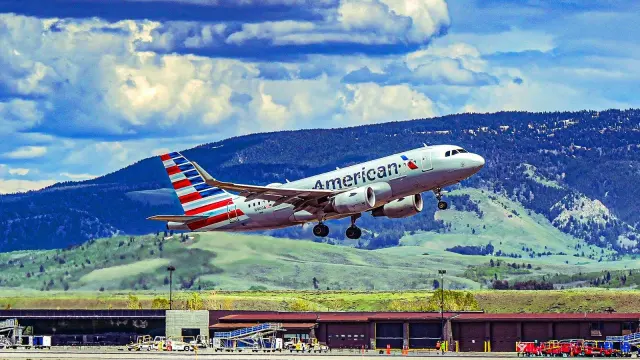
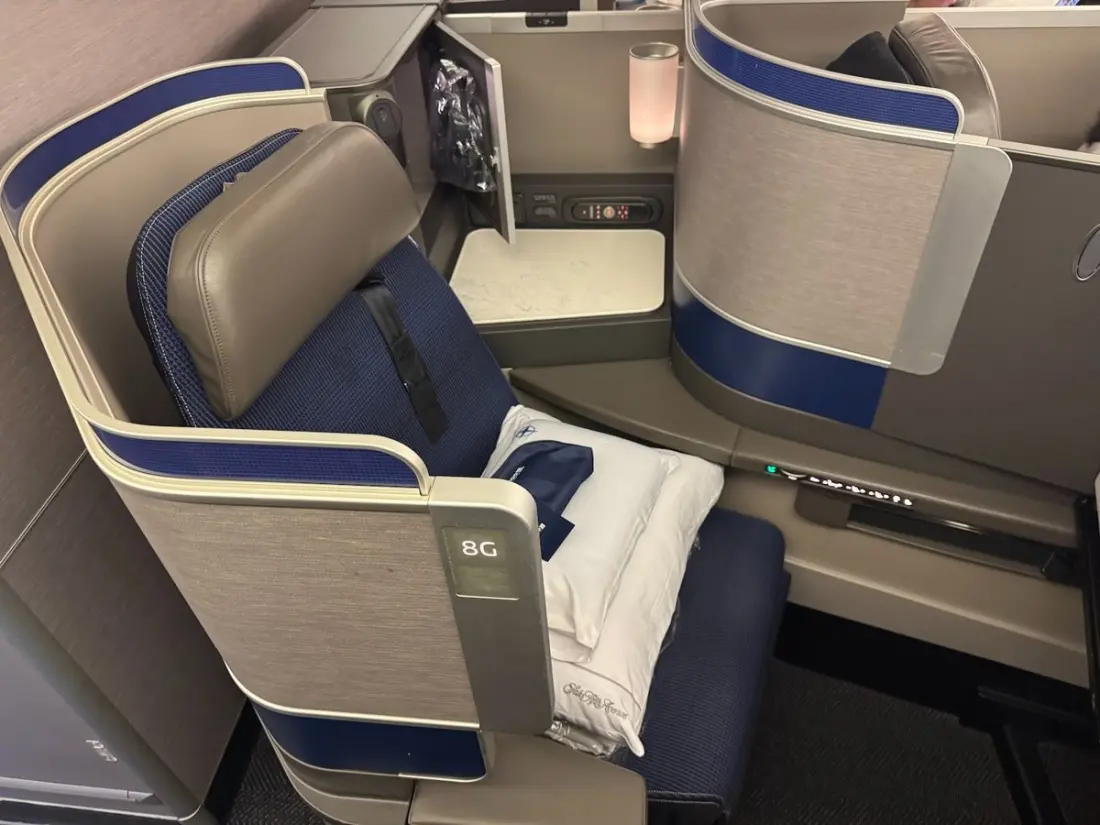
That demand explains why Delta, United and their peers have spent years adding business and premium economy seats while trimming economy. Premium sections now stretch well into the wing on some flagship aircraft, because a minority of passengers generate most of the profit - and that minority is growing.
There's a catch for anyone chasing an award seat up front. Strong cash demand crowds award availability out of premium cabins, which is why business and first class redemptions vanish the moment they open. The value now lies in loyalty programs that still price premium awards on fixed or reasonable rates rather than dynamic pricing - and in booking as early as the calendar allows.
One caveat worth keeping in mind: this is search data, not confirmed sales. Some of the spike may be sticker shock - travellers seeing economy fares climb and checking what first class actually costs. On a recent search, a short domestic nonstop was $750 in standard economy, a price that bought a first class seat 18 months ago. Curiosity about that gap may be inflating the numbers. Still, the direction is clear, and it lines up with other industry data and what travel agents are hearing from clients.
For holidaymakers, the takeaway is practical: if you've ever wanted to fly up front or book that expedition cruise, expect competition and rising prices, and move early. Points travellers in particular should lock in fixed-rate award sweet spots before they thin out further.