A central Vietnamese province best known for caves and wartime history is about to get a reason to visit at any time of year. Quảng Trị will stage a themed event week every month, running the 24th to the 30th from November 2026 onwards, under the banner A Land of Wonders, a Sacred Land of Fire.
Each week will blend performances, tourism promotion and local experiences, with organisers hoping to smooth out the province's sharp seasonal swings, build a night-time economy and spread visitors beyond the usual hotspots. The plan should also be a boon for tour operators, who'll have fixed dates to hang package tours on. Digital tourism IDs and electronic stamps that unlock cumulative rewards across events are planned to nudge people into coming back.
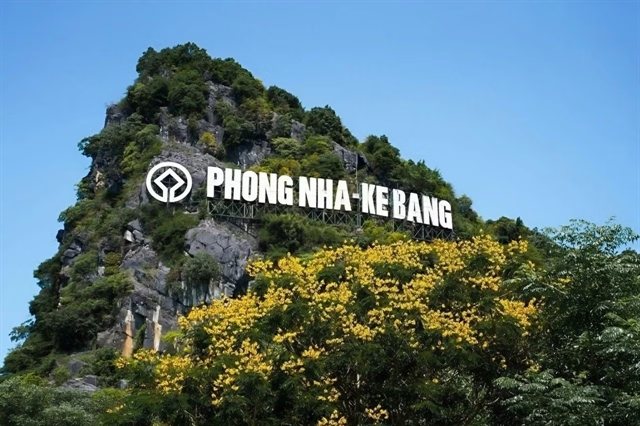
Quảng Trị packs a lot into one province. It has nearly 200km of coastline with undeveloped beaches and strong seafood, plus Phong Nha-Kẻ Bàng National Park — a UNESCO World Heritage Site with around 500 known caves, widely regarded as one of Asia's premier cave-exploration destinations. Its landscape has even caught film crews' attention: Kong: Skull Island, Alone Pt II and BBC's Planet Earth III have all shot here.
There's a heavier side too. The province sat along the former demilitarised zone during the American War, and sites tied to that history — and to Vietnam's push for peace and reunification — draw visitors from around the world. The national-scale For Peace Festival held earlier in 2026 underscored that identity.
The numbers explain the ambition. Quảng Trị welcomed 9.6 million visitors in 2025, up 16.9 per cent, including 450,000 internationals — a 43 per cent jump. The first nine months of 2026 brought nearly 9.4 million arrivals and around VNĐ10.8 trillion (US$410 million) in tourism revenue. Yet officials admit the product hasn't kept pace: limited variety, few large resorts, a thin nightlife scene and modest international share. The monthly programme is also groundwork for National Tourism Year 2027, which Quảng Trị will host. By 2030 the province wants 13-15 million visitors a year, with internationals at 10 per cent and tourism contributing at least 10 per cent of regional GDP.
For travellers, this is a good moment to catch a still-under-the-radar corner of Vietnam before it scales up. If your trip falls late in any month from late 2026, you'll likely land on festivities; otherwise, the caves, beaches and DMZ sites are reason enough on their own. Adventure travellers in particular should keep an eye on the province's stated ambition to become a regional adventure-tourism hub.