Ten hours in the air is long enough without sharing it with a deep-chest, wet cough two seats over. A frequent-flying travel writer has shared a practical playbook for exactly this scenario, and it boils down to two halves: what you pack before boarding, and what you can improvise once a sick seatmate reveals themselves.
Start with the carry-on arsenal. The basics are cheap and light: a mask, a big bottle of water bought airside, sanitising wipes or spray, and something warm for a cold cabin. The writer also swears by vitamin sachets — vitamin C, zinc and magnesium, plus electrolyte powders — because cabin air is drier than a desert and dehydration quietly weakens your immune system before you even feel thirsty.
Seat choice matters too. Skip the rows beside the lavatories, where foot traffic turns the area into a germ corridor, and favour window seats: the aisle is the busier 'germ highway', while window seats see less air movement past you.
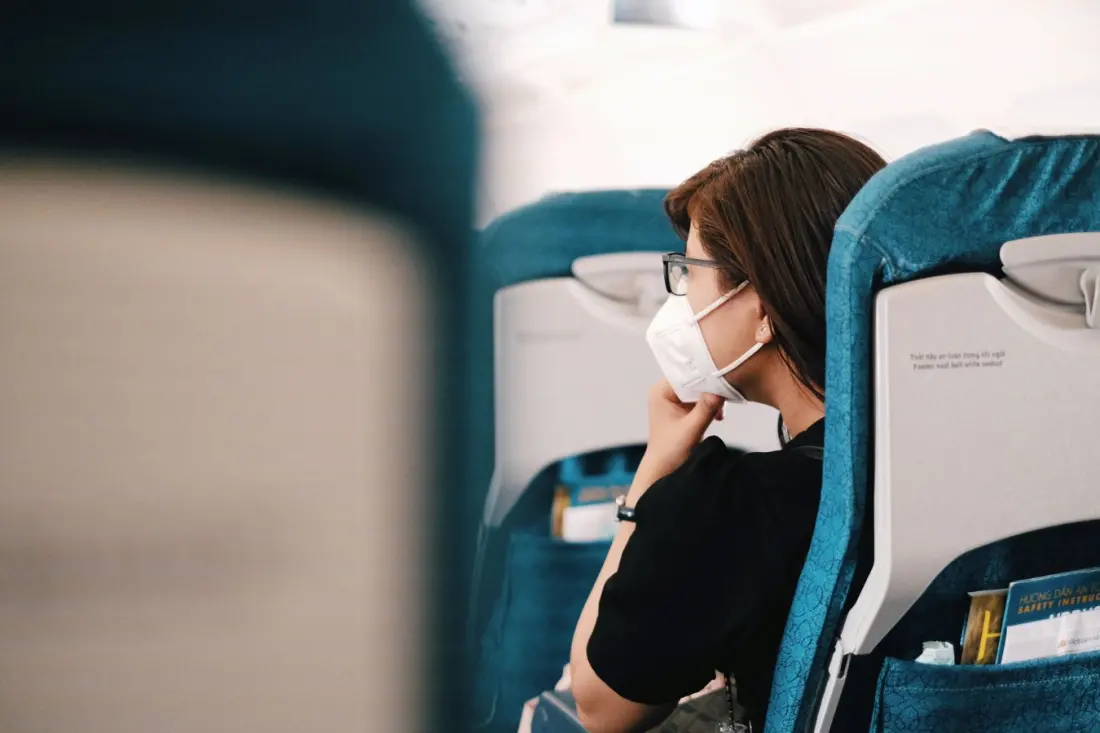
But suppose you boarded unprepared and now there's an obviously unwell passenger nearby. First move: ask a flight attendant for a surgical mask — they usually carry some, and demand spikes fast when someone is coughing, so ask early. If a neighbour has spares, politely ask to share.
Second, drink water constantly. Hydration keeps your mucous membranes balanced and lymphatic system moving, which helps your body fend off airborne nasties.
Third, create distance. If the sick passenger is in your row, ask for a seat change and be upfront about why. When you get up to stretch or use the restroom, walk the other way. Compassion is fine; proximity isn't required.
Fourth, wipe down your seat, tray table and screen — crew will often provide sanitising wipes if you ask — then angle the overhead air vent towards your face to keep air moving past you.
Finally, and perhaps most importantly, keep your hands away from your face. Touch transmission is a real route to infection: eyes, nose and mouth absorb viral particles, meaning you can pick something up without ever breathing it in directly. Sanitise your hands after touching shared surfaces and you've closed the main loophole.
None of this requires a hazmat suit or paranoia — just a few items in your bag and the confidence to speak up. It's worth a read for anyone facing a long-haul flight in peak cold-and-flu season, nervous flyers who dread the telltale cough, or anyone who's ever landed from a trip already sniffling. The core lesson: the time to prepare is before the cabin door closes, but even mid-flight there's plenty you can still do.