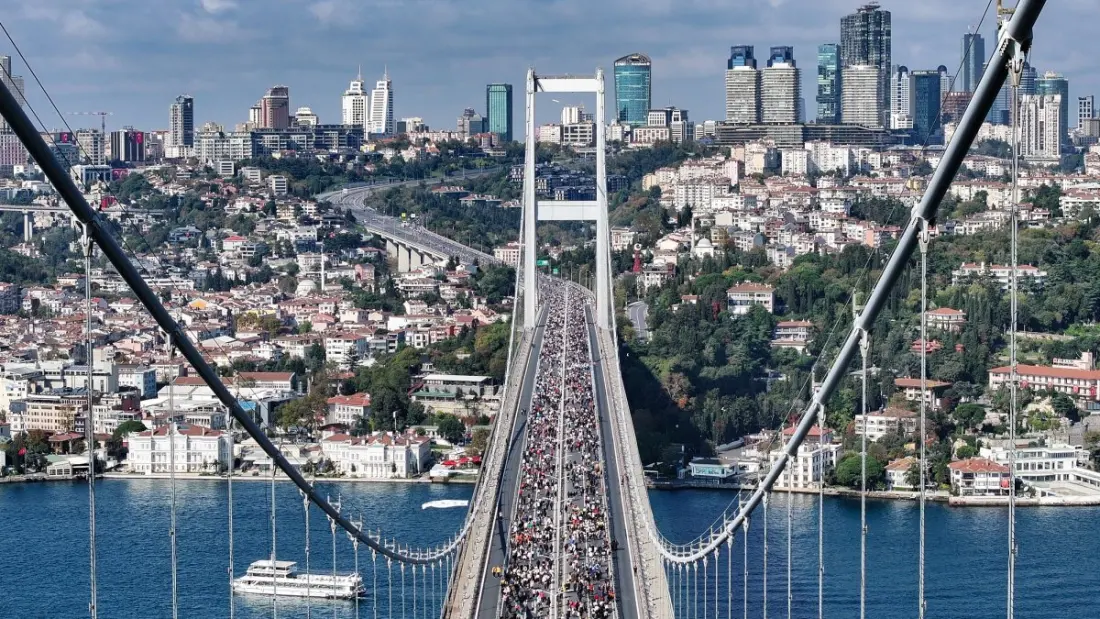
Few races anywhere can claim the Istanbul Marathon's core selling point: you start on one continent and finish on another. Runners cross the Bosporus bridge — closed to pedestrians every other day of the year — with the water below and the city sprawling across both shores. That alone makes it worth a spot on any runner's bucket list, as columnist Doğan Eşkinat discovered running the 15.5km distance this year.
His review of the experience is refreshingly honest. The highlight? Not the bridge, but the ferry. Before dawn, hundreds of runners from around the world crowd onto a Bosporus crossing to reach the start line on the Asian side, comparing pace plans and swapping nerves. It plays less like a commute and more like a floating pre-race party — something the writer thinks organizers should embrace as the event's signature moment.
The race itself reflects how far running culture in Türkiye has come. Now nearly 50 years old, the marathon was once a niche event for serious athletes; today it pulls in families, corporate teams, clubs and first-timers in it for the medal rather than the finish time.
But the day had rough edges. The same ferry that delivered the best moment caused the worst: the crossing ran late, leaving many runners past the bag drop deadline and scrambling in the final half-hour before their race. Once ashore, things didn't improve — bag drop, toilets and the course entrance were all crammed into one small space, producing a slow crush of thousands of people trying to do three different things at once. The fix, he notes, is cheap and standard practice elsewhere: separate the facilities by 100 metres and route runners one way — toilets, then bags, then corrals — and tie bag deadlines to the boat schedule.
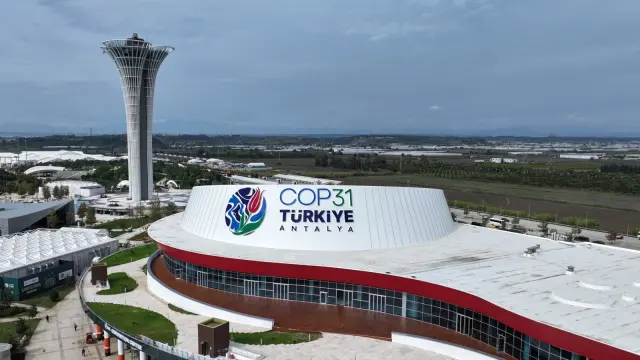
The ugliest issue was environmental. Water stations handed out thousands of half-full plastic bottles, tossed aside within seconds, leaving sections of the route looking like the aftermath of a festival. With major races moving to cups, refill stations, compostables — London even trialled edible seaweed water pods in 2019 — and clearly marked drop zones, Istanbul's plastic habit looks dated. It also clashes awkwardly with the timing: Türkiye is hosting COP31, and a road littered with bottles in its largest city sends the wrong message.
The verdict? Istanbul already owns what Berlin, London and New York had to earn over decades — a spectacular, continent-hopping course through one of the world's great cities. What it needs now is the small stuff: logistics and litter. For holidaymakers, the takeaway is that the race is absolutely worth doing if you're in the city in November — just pack patience for the start area, and maybe a plan for your bag. The writer, for one, has already committed to returning: there's a fridge magnet reading "Intercontinental Runner" on his kitchen wall, and he intends to earn it again.
Story via Daily Sabah Travel.