Central Porto saw what reporters described as a sea of people on the International Day for the Eradication of Poverty, as thousands joined demonstrations across Portugal against the rising cost of living and a housing squeeze that has become one of the country's defining political problems.
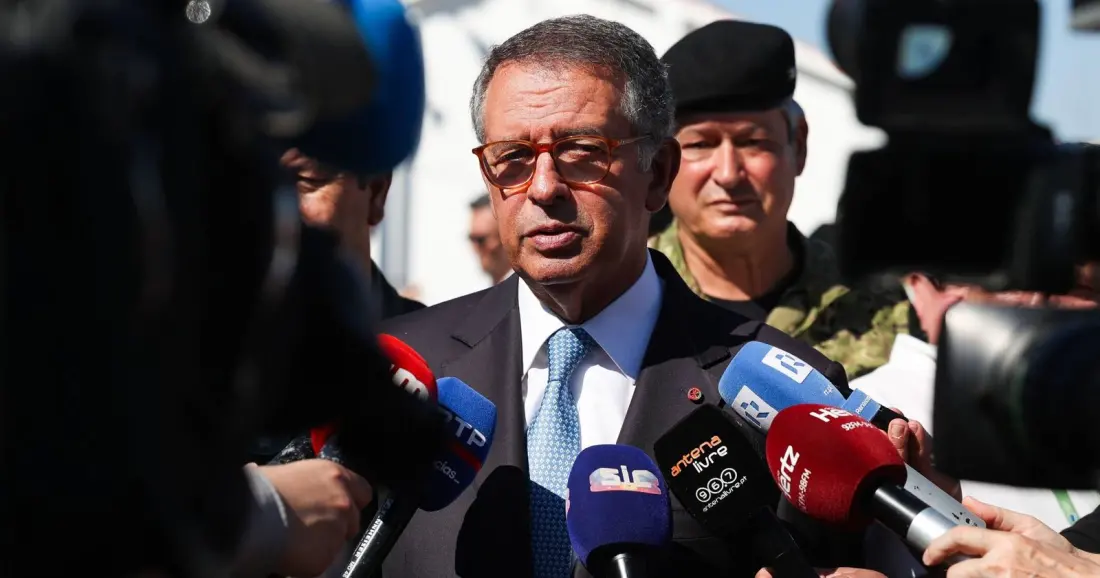
President Seguro marked the day with a message from the Presidency, arguing that poverty is not simply an economic condition but a limit on freedom, dignity and opportunity. He noted that the number of people at risk of poverty or social exclusion in Portugal has, for the first time since 2015, fallen below two million — but insisted the figures should keep challenging policymakers, because "we are talking about people". His message singled out children, young people unable to plan a future, older people who worked all their lives, and those who hold jobs yet still live in poverty.
The day before the protests, speaking at a meeting of the Arraiolos Group in Brdo, Slovenia, Seguro widened the lens to Europe as a whole. A continent where young people cannot afford a home or starting a family, he warned, risks losing the trust of an entire generation. It is a pointed comment in a country where housing costs have soared and renting has become a serious strain on local incomes.
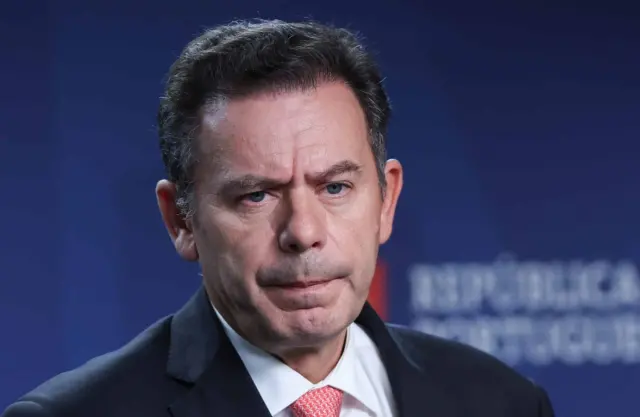
The protests land at a tense political moment. Socialist leader José Luís Carneiro used the occasion to attack the government's proposed rental reform, which left-wing parties oppose and which has advanced to committee stages with support from CHEGA. Carneiro called the situation "a social powder keg", arguing the reform would leave young people and families less protected and push older tenants into uncertainty. He pointed to the Socialists' own shelved bill — which aimed to stimulate the rental market while protecting both landlords and tenants — as proof the government took the wrong route.
For holidaymakers, the immediate practical impact of all this is limited: demonstrations in cities like Porto and Lisbon may briefly disrupt traffic and public transport on protest days, but tourism continues as normal. The longer-term relevance is bigger — Portugal's housing debate touches short-term rental rules, tourist taxes and the cost of accommodation in the cities visitors love, so this is a story worth watching if you travel there regularly or are considering a longer stay.