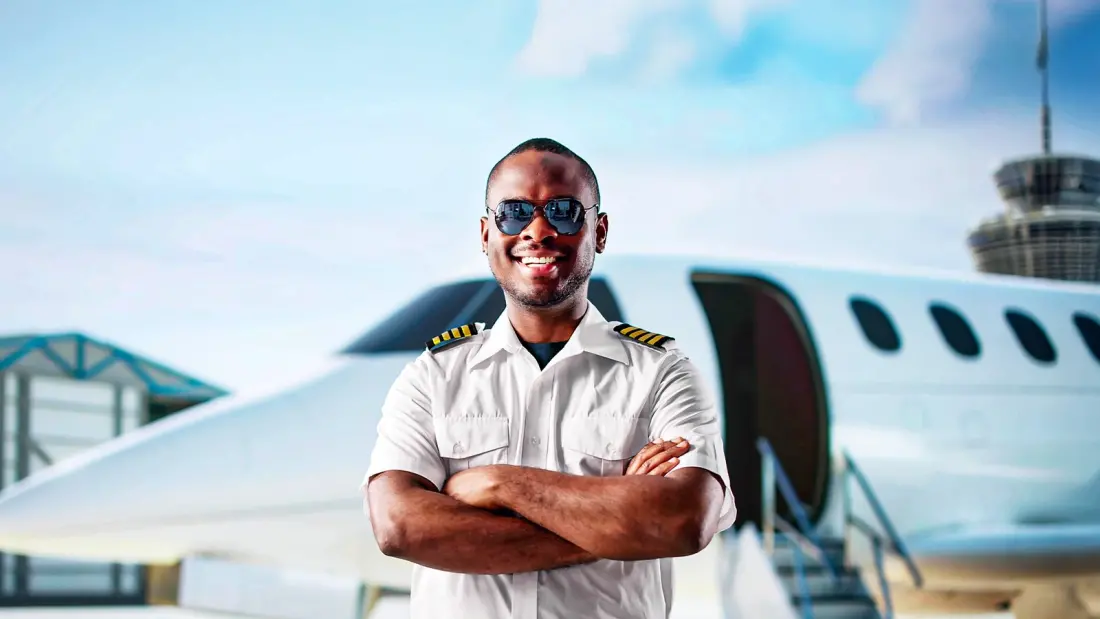
Thinking of learning to fly? The advertised price of a US private pilot licence (PPL) often starts around $10,000–$12,000, but the realistic 2026 figure is closer to $15,000–$20,000 according to AeroCorner, with the Rotate Pilot calculator landing at $12,000–$18,000 for a typical Part 61 school. Even the Aircraft Owners and Pilots Association (AOPA), which quotes a low-end average of $6,000, admits most students spend well above that — its own line items add up to roughly $7,500 before extras.
The biggest driver is flight hours. The FAA's legal minimum is 40 hours under Part 61 rules — 20 with an instructor and 10 solo — but that's the earliest you can test, not when you'll be ready. AOPA's Flight Training magazine has described 60 to 70 hours as normal, and hours are billed twice: trainer aircraft like the ubiquitous Cessna 172 rent for $180–$220 per hour (wet, fuel included), while instructors charge another $60–$90 hourly. Aircraft rental alone makes up about three-quarters of the total bill.
Fixed costs sting too. The FAA written exam costs $175, and the final checkride is conducted by a Designated Pilot Examiner — a private contractor you pay directly, $600–$1,200 on the day. A nationwide examiner backlog means waits of two to three months in many regions, forcing students to book pricey 'warm-up' flights to stay sharp, and a failed manoeuvre adds $600–$900 for a retest.
School type matters more than you'd think. Part 141 schools follow the FAA's structured syllabus and can certify you in 35 hours, but rigidity costs: strict lesson sequencing, check airman sign-offs and weather delays often push their totals $3,000–$7,000 higher. Part 61 schools work more like a personal tutor — flexible scheduling, self-paced progress — and suit hobbyists and working adults, especially those training through a flying club, where collectively owned aircraft rent far below school rates.
There are ways to slash the bill. The Experimental Aircraft Association's Eagle Flights programme gives adults a free introductory flight, six months of membership and reimbursement of the written exam fee, while its Young Eagles pipeline for under-17s can lead to the Ray Aviation Scholarship — up to $12,000, typically enough to fund an entire licence. AOPA's Foundation partners with EAA on both programmes.
Why should a traveller care? Because a PPL opens up a completely different way of seeing the world — weekend hops to islands, mountain strips and small towns commercial airlines barely serve. If you're weighing the leap, train somewhere with reliable weather, pick a school with nearby practice airspace, and expect the headline price to be a floor, not a quote. Budget realistically at $15,000 or more, or chase the scholarships and club routes to bring it down.
Simple Flying