Deep in Fiji's remote Lau Group, a walking trail through humid jungle can end somewhere unexpected: a dark cave piled with human bones and skulls, the remains of an ancient burial site on an island that sees almost no outsiders. That mix of mystery, hospitality and raw remoteness is what draws a handful of yacht crews to the Lau each year — and why most travellers will never see it.
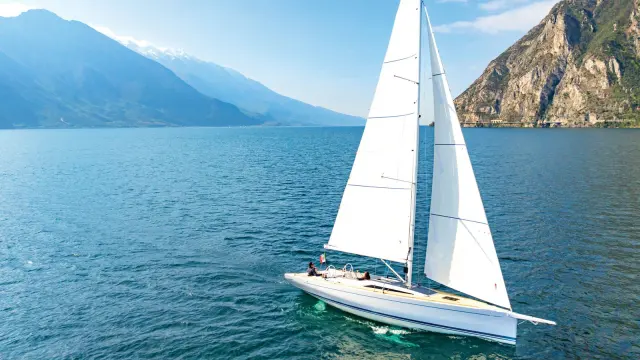
The Lau archipelago sits southeast of Fiji's main islands, strung out between Fiji and Tonga. The Fijian government closed the islands to visitors entirely between 1992 and 2013 to shield them from outside influence. Today they remain open only to private boats holding a cruising permit, obtained at official check-in ports like Savusavu, Suva, Lautoka or Port Denarau. There are no regular supply boats, no shops, no medical services — and no tourists unless they arrive under their own sail.
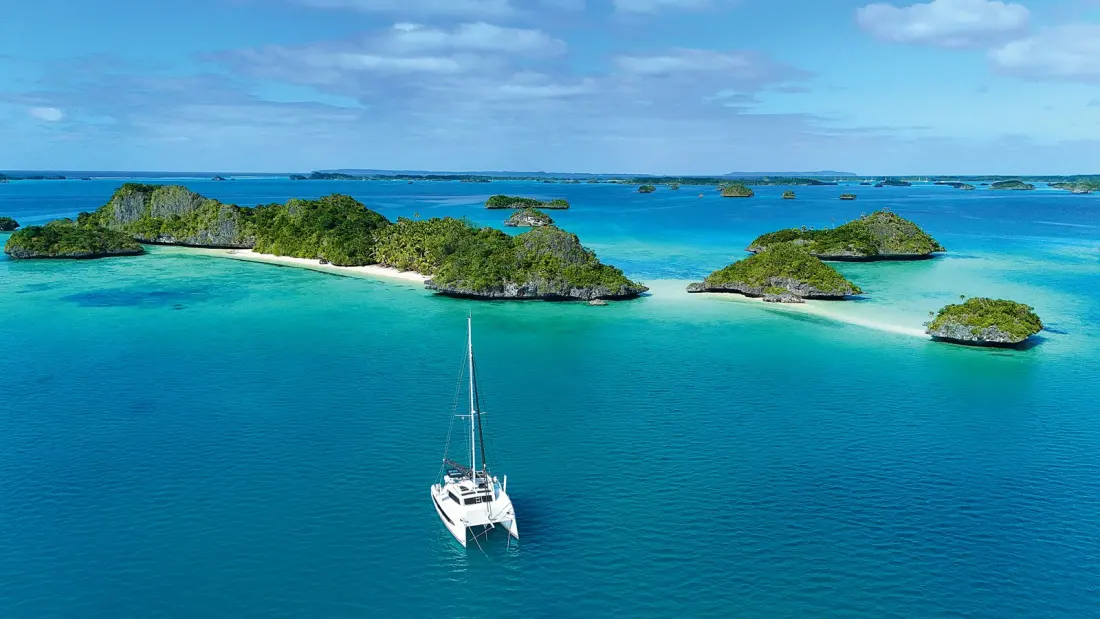
Getting there is the hard part. The prevailing south-easterly trades blow against you, so cruisers wait in anchorages near Taveuni for a weather window after a passing low shifts the wind. Timing also matters at the reef passes: you want daylight and slack tide, especially entering Fulaga lagoon, where a fleet of catamarans in the account threaded the whirlpooling current at dawn to find water so clear and turquoise it looked knee-deep at five metres, dotted with mushroom-shaped coral limestone pinnacles.
Once inside, the ritual is the sevusevu: dress modestly, present wrapped kava roots to the village chief at the community meeting house, and receive permission — plus a rundown of where you may walk and fish, and an invitation to Sunday church. In Fulaga, each visiting boat is even assigned a host family who answer questions about village life and often share lunch. The culture here is distinct, a blend of Melanesian Fiji and Polynesian Tonga, with its own language. Local guides will tell you how their ancestors built the drua — plank-built hardwood sailing canoes over 100ft long, carrying 200 people at up to 15 knots, and taking seven years to construct.
Why should a non-sailor care? Because the Lau represents a model of tourism that barely exists anymore: tiny numbers, direct money to villages, and locals setting the terms of the visit. It's also a reminder of what Fiji looks like beyond the resort belts of Denarau and the Mamanucas. If you can't sail there, small irregular planes fly from Savusavu to Vanua Balavu, and village stays offer a filtered version of the same experience — though you'll still need to bring your own everything.
For the crews who make the 150-mile overnight passage south, the payoff is an anchorage community of a dozen boats trading sundowners, wing-foiling tips and pipi clams, with a saxophone on the beach at sunset and a genuine sense of having reached the edge of the map. As the old cruising joke goes, people stay in the Lau until the cooking gas runs out.
Reported by Yachting World.