Picture the scene: a gravel trail after dark, fog lifting off a lake, twigs snapping somewhere behind your tent. For plenty of outdoorsy people, this is the good stuff. Outside Online's new October series, "It's Dark Outside," leans into that feeling with a month of daily spooky stories — haunted campgrounds, ghost sightings on river trips, unsolved murders in national parks, plus practical guides to hiking haunted trails and exploring abandoned ghost towns.
The essay that launched the series starts with a teenage road trip to Gray Cloud Island Township in Minnesota, roughly 20 minutes south of Saint Paul. Local legend has it the island sits on an ancient burial ground, complete with reported phantom drumbeats and an aggressive white pickup truck that supposedly vanishes after chasing visitors down the road. The author and friends never saw the truck — though someone did flash their high beams and shout at them to leave, sending the group sprinting back to the car. More than two decades later, it's still a vivid memory. That staying power is the whole point.
Why do we deliberately seek out fear on the trail? Researchers at Aarhus University's Recreational Fear Lab in Denmark have an answer. Their studies found an "inverted-U-shaped relationship" between fear and enjoyment — meaning the sweet spot is being spooked just enough, while knowing safety is only a short sprint away. Too little fear is boring; too much tips into genuine distress. A night hike where your imagination runs wild, but your car is parked nearby, sits right at the peak.
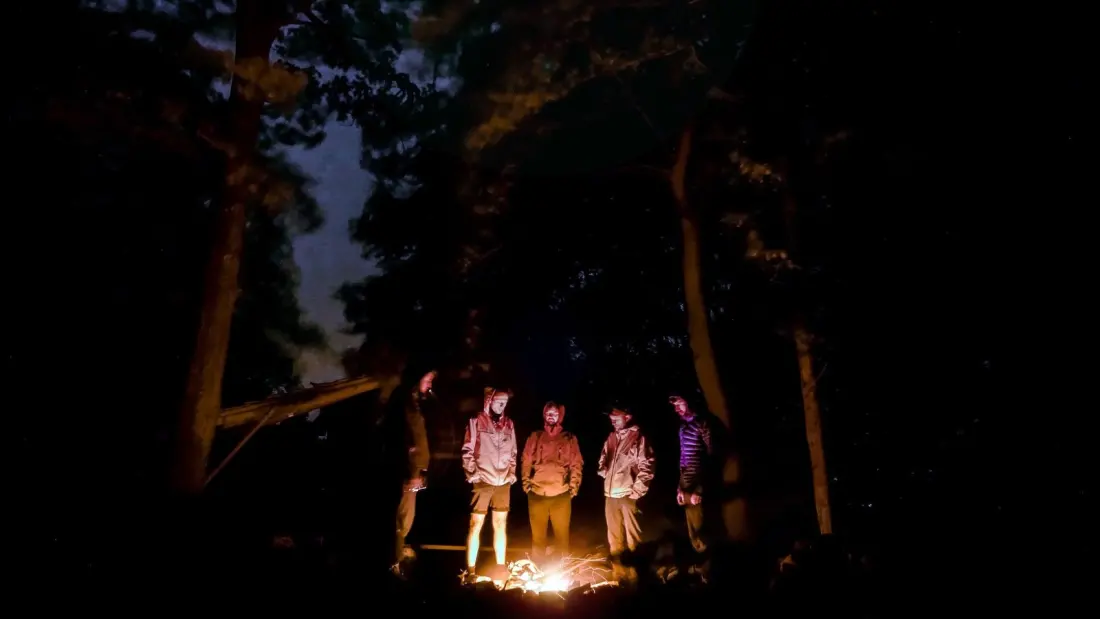
That formula also explains the enduring appeal of campfire horror stories. A well-told tale of a haunted campground gets your heart racing with zero actual risk — the same controlled thrill as a creepy trail, delivered with marshmallows. It's a cheap, safe adrenaline hit, and arguably a bonding one: scare yourself silly with friends and you'll remember it for years.
For travellers, October is prime time to test this out. Plenty of destinations trade on their eerie reputations — ghost towns in the American West, allegedly haunted cemeteries and islands, spooky night walks run by local guides. The Aarhus research suggests how to pick your level: go guided if you want atmosphere without genuine risk, or choose somewhere remote-but-not-too-remote if you want your heart pounding on a dark path. The key is keeping one foot in safety — a trailhead you know, a car within sprinting distance, a friend beside you.
Anyone curious can follow Outside's daily releases through October, mixing classic creepy long reads with new reporting on the stranger corners of the outdoors — real murder cases in national parks, supposed hauntings on guided river trips, and campgrounds with reputations. Even if you never plan a haunted hike, the stories scratch the same itch.
So if you've ever wondered why a night walk makes you feel more alive than a sunny afternoon stroll, the science is on your side: a little fear, safely contained, is one of the most memorable things you can do outside.