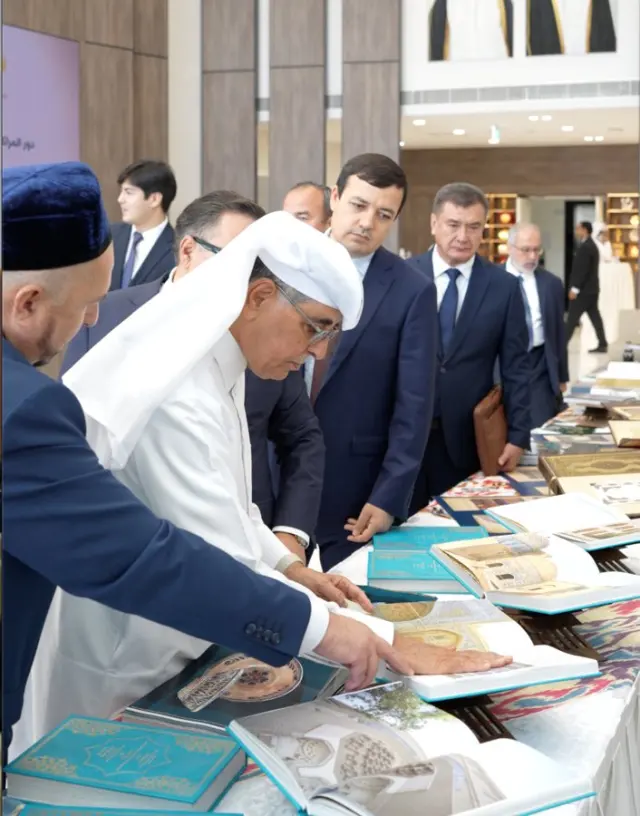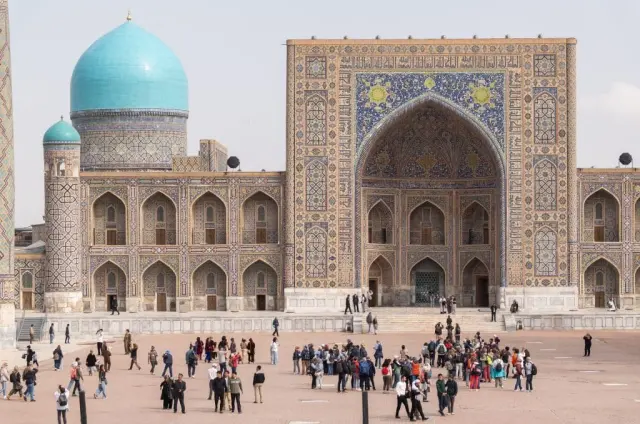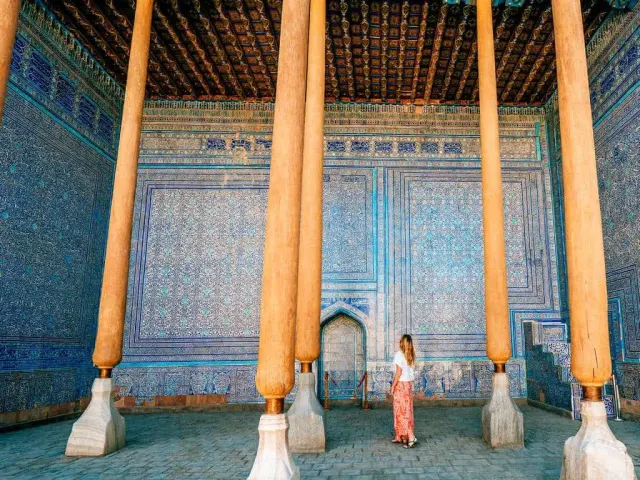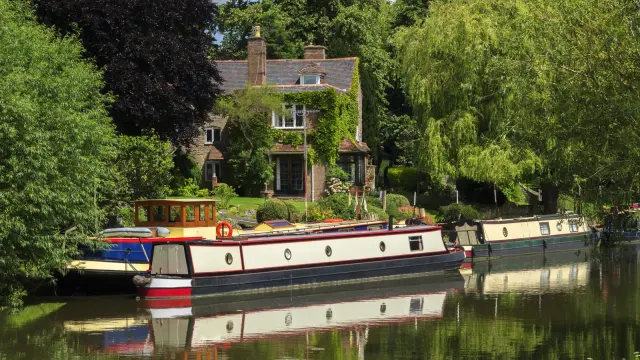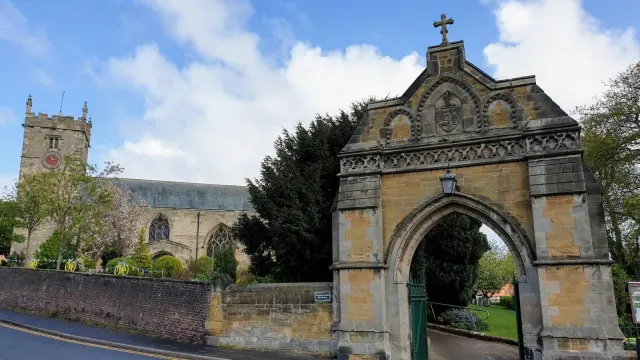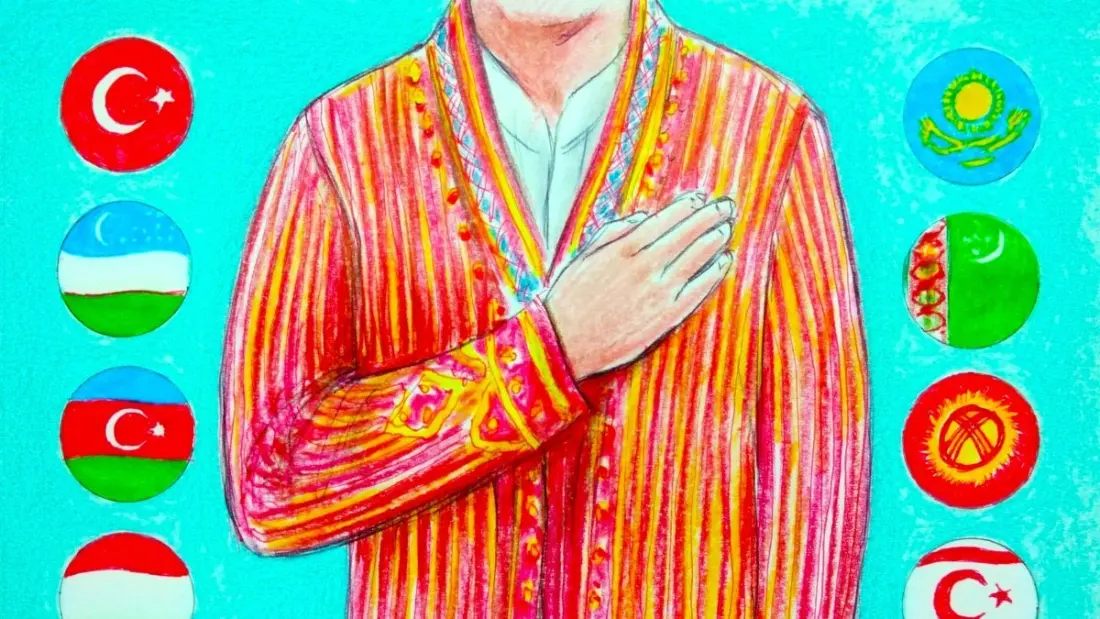
A family home in Tashkent, a ceramics workshop in Kütahya, a cauldron of sumalak stirred by neighbours on March 21 — these may look like separate scenes, but an opinion piece by researcher Nizomiddin Ziyamov argues they are chapters of one story: the everyday customs that link Turkic societies from Türkiye to Central Asia, and why keeping them alive matters more than ever.
The most striking thread is the role of the youngest son. In Uzbek families, the kenja o'g'il traditionally stays in the parental house and takes on the care of ageing parents, while his siblings move out — the family home remains a gathering point for everyone. Kazakhstan has a near-identical idea in the qara shanyraq, the ancestral home entrusted to the youngest child, and Kyrgyz families share the custom. Meanwhile, respect for elders is formalised in the oq fotiha blessing, sought from parents at major family moments.
Craftsmanship tells a parallel story. Uzbekistan's ceramic arts made UNESCO's Intangible Cultural Heritage list in 2023, Türkiye's çini tile-making in 2016 — and both rest on the same ustoz-shogird (master-apprentice) model: watch, assist, then master. The author suggests folding this mentorship system into modern vocational training, which could also connect artisan hubs across the region.
Hospitality gets its own heritage status too. UNESCO recognised Uzbek rice culture and the flatbread traditions of Azerbaijan, Kazakhstan, Kyrgyzstan, Türkiye and Iran in 2016. Beyond food, the article highlights Uzbekistan's mahalla — the neighbourhood community whose hashar tradition of collective work has real teeth: official figures cite support plans for 515,000 families in the first eight months of 2026, with roughly 55,000 local microprojects boosting incomes for 164,000 residents. Kazakhstan's asar and Türkiye's imece work the same way. Even folklore overlaps: Uzbek audiences laugh at Afandi, Turks at Nasreddin Hodja — a shared storytelling tradition UNESCO listed in 2022 after a joint nomination by seven countries.
For travellers, this is a genuine guide to what to look for rather than abstract heritage talk. Time a trip around Navruz (March 21) to see sumalak stirred in giant cauldrons by whole neighbourhoods. Wander a mahalla in Samarkand, Bukhara or Tashkent's Old Town to see the community structure in action. Seek out ceramic workshops in Uzbekistan's Rishtan valley or Türkiye's Kütahya and Iznik, where the apprentice system is still how skills pass down. And in Tashkent, the monument to blacksmith Shoahmad Shomakhmudov and his wife Bahri Akramova — who raised more than a dozen war orphans of different nationalities during World War II — captures the hospitality ethic better than any slogan.
The piece closes with a concrete development: in July 2026, TÜRKSOY and Uzbekistan's Center for Islamic Civilization agreed to digitise cultural collections and build joint virtual museums. For anyone planning travel across the Turkic world, the takeaway is simple — the region's real appeal lies not in monuments alone but in living customs of family, craft and neighbourhood that you can still witness first-hand.
Daily Sabah Travel