Singapore's biggest literary gathering returns in November with a theme that could hardly feel more timely. The 29th Singapore Writers Festival, running Nov 13-22 under the banner "Hidden In Plain Sight", pulls together more than 300 writers, speakers and moderators across over 200 programmes — and asks a question most of us are quietly wrestling with: how do we know what's real anymore?
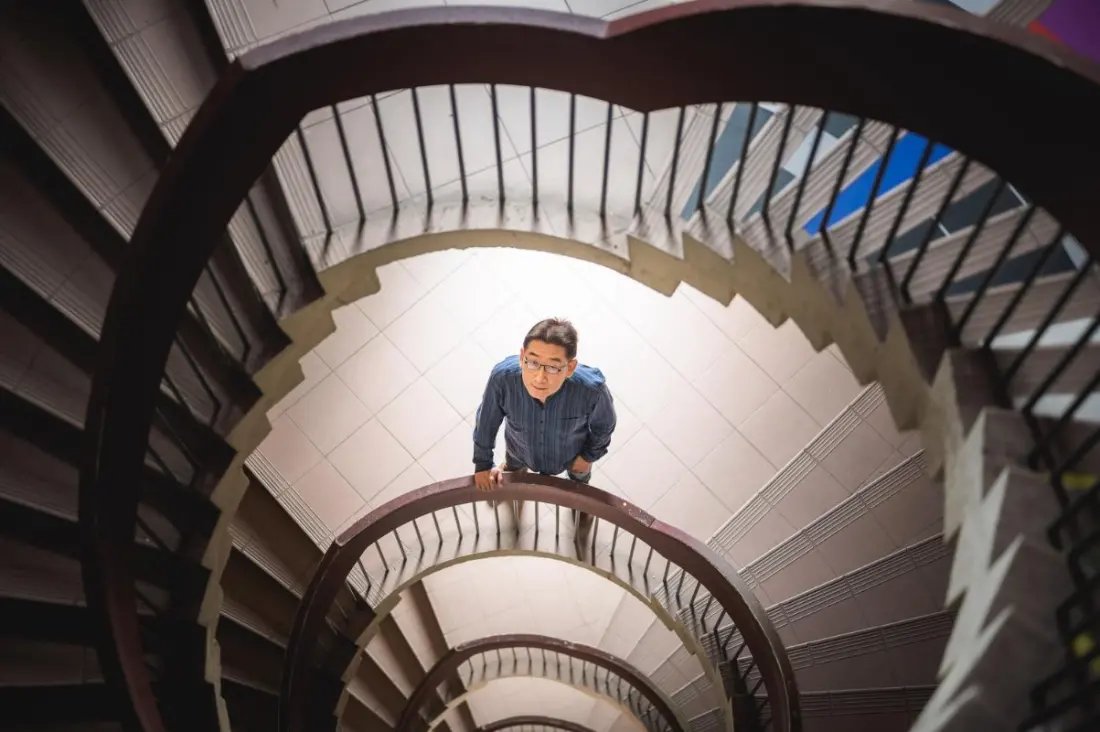
Festival director Yong Shu Hoong, a poet and Singapore Literature Prize winner who wraps up his three-year tenure with this edition, says the theme grew out of a broader unease rather than any single event. With AI-generated content and scams blurring the line between truth and fiction, he sees literature as a training ground for scepticism — the same attention to detail you'd apply to a novel's plot, he argues, works just as well when scrolling your feed.
The line-up leans into that detective spirit. A brand-new crime and mystery track is the headline addition, with sessions on Agatha Christie's legacy five decades after her death (Robin Stevens and Louise Hegarty), short-form crime and horror craft, and a frank look inside a serial killer's mind with South Korea's Seo Mi-ae. Big names anchor the programme: Amitav Ghosh discusses how writers imagine environmental catastrophe in the Global South, Silvia Moreno-Garcia tackles truth and deception in storytelling, and Tan Twan Eng joins Malaysian author Janet Tay for a conversation on craft and private life.
Technology gets its own spotlight too. American journalist Stephen Witt traces the rise of Nvidia and AI, sociologist Ruha Benjamin exposes bias baked into digital systems, and Singapore's Raju Chellam brings tech-driven thrillers to the table.
Beyond English, the festival makes a point of its multilingual character. Programming in Chinese, Malay and Tamil runs throughout — from novelist Liang Hong on youth mental health in China to sessions pairing classical Malay poetry with modern journalism, and a walking tour of Little India's literary corners. Translators, often the invisible hands of world literature, get dedicated installations and events spread across the city.
And if reading feels too passive, there are ways to move: a guided tour of the historic House of Tan Yeok Nee with heritage expert Yeo Kang Shua, a literary walk, chance-based writing prompts with British poet Ella Frears, and family-friendly sessions where young readers can meet children's authors like Jessica Townsend. There's even a nod to Southeast Asian creativity closer to home, with Thai architect Chatchavan Suwansawat unpacking what he calls "Thai Urban Mess Architecture" — the improvised, everyday adaptations that push back against neat design.
For travellers passing through Singapore in mid-November, it's an easy way to plug into the city's cultural calendar — much of the action centres on The Arts House, right by the river in the Civic District. Passes and programme details are on the festival site, and given 200-plus sessions across ten days, browsing ahead is genuinely worth the effort.