Getting children into nature doesn't require a 26km hike or a safari budget. A new roundup from Getaway South Africa highlights six places across the country where the whole point is to slow down and let kids see, hear, touch, smell and even taste the outdoors.
In Gauteng, the Walter Sisulu National Botanical Garden in Roodepoort is an easy first stop. Around 240 bird species have been recorded there, along with more than 600 indigenous plant species, and a breeding pair of Verreaux's Eagles nests on the cliffs above Witpoortjie Falls. There's a waterfall, themed areas including a butterfly garden, and plenty of level ground for little legs. Nearby Kloofendal Nature Reserve covers 128ha and is run in part by the volunteer group Friends of Kloofendal, which offers guided bush-food walks (with tastings of wild fruits, teas and jams), frog outings, geology walks and a two-hour butterfly walk where children can briefly catch butterflies for identification before releasing them.
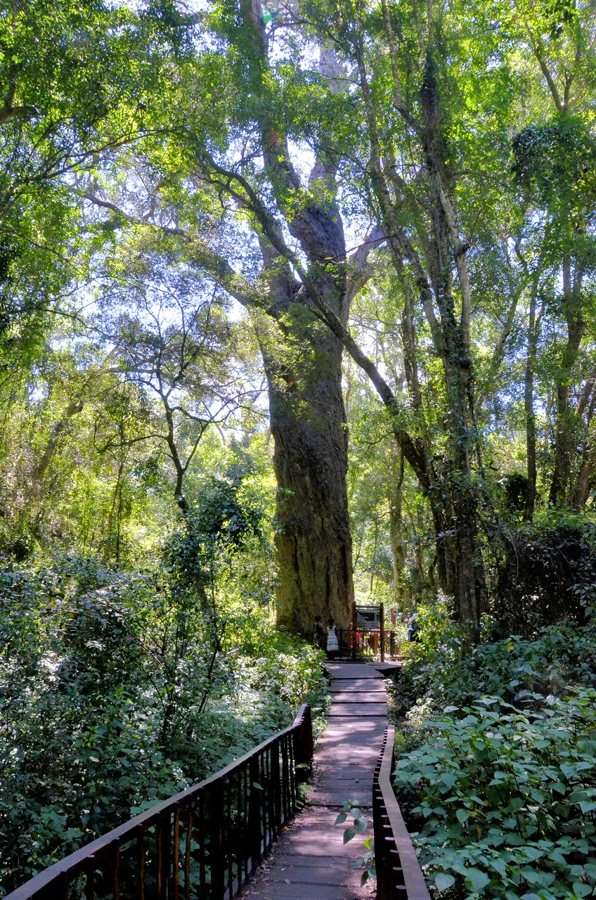
On the Garden Route, the mood shifts to forest and water. The Garden of Eden section near Harkerville has short circular walks through wet indigenous forest full of stinkwood, kalander and wit-els trees, including an 800m trail that's wheelchair accessible. Kranshoek nearby has a picnic site with coastal views and a stream that's ideal for a quiet frog-listening session. Note that the Harkerville Coastal Trail is a tough 26km route not recommended for under-12s — stick to the shorter loops. Further along, the Wilderness section of Garden Route National Park adds lakes, estuaries and canoeing, with bird hides for spotting Knysna turacos and kingfishers. Day-visitor spots like Touw River Estuary, Island Lake and the Woodville Big Tree mean families don't need to commit to a full-day hike.
For younger children, Imhoff Farm in Kommetjie on the Cape Peninsula lets kids feed and touch ponies, goats, pigs, emus, rabbits and more at its Higgeldy Piggeldy Farmyard, with farm-style eateries and vineyards on site. And near Plettenberg Bay, Monkeyland Primate Sanctuary bills itself as the world's first free-roaming multi-species primate sanctuary, home to more than 550 rescued primates across nine species living in forest rather than cages — a natural conversation starter about wildlife rescue and habitats.
The common thread is a simple game: challenge children to name one thing they can see, hear, smell, touch and taste on each outing. No species knowledge required — just a reason to stop and pay attention. It's a low-cost way to make a family day out stick in memory far longer than a checklist of sightings.