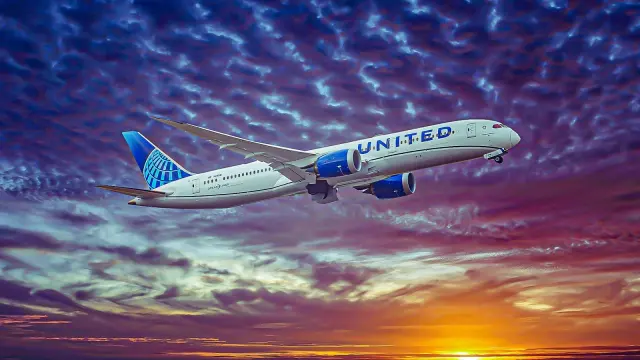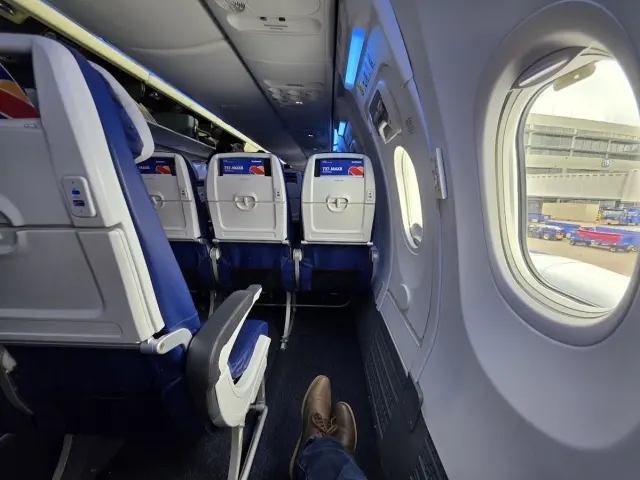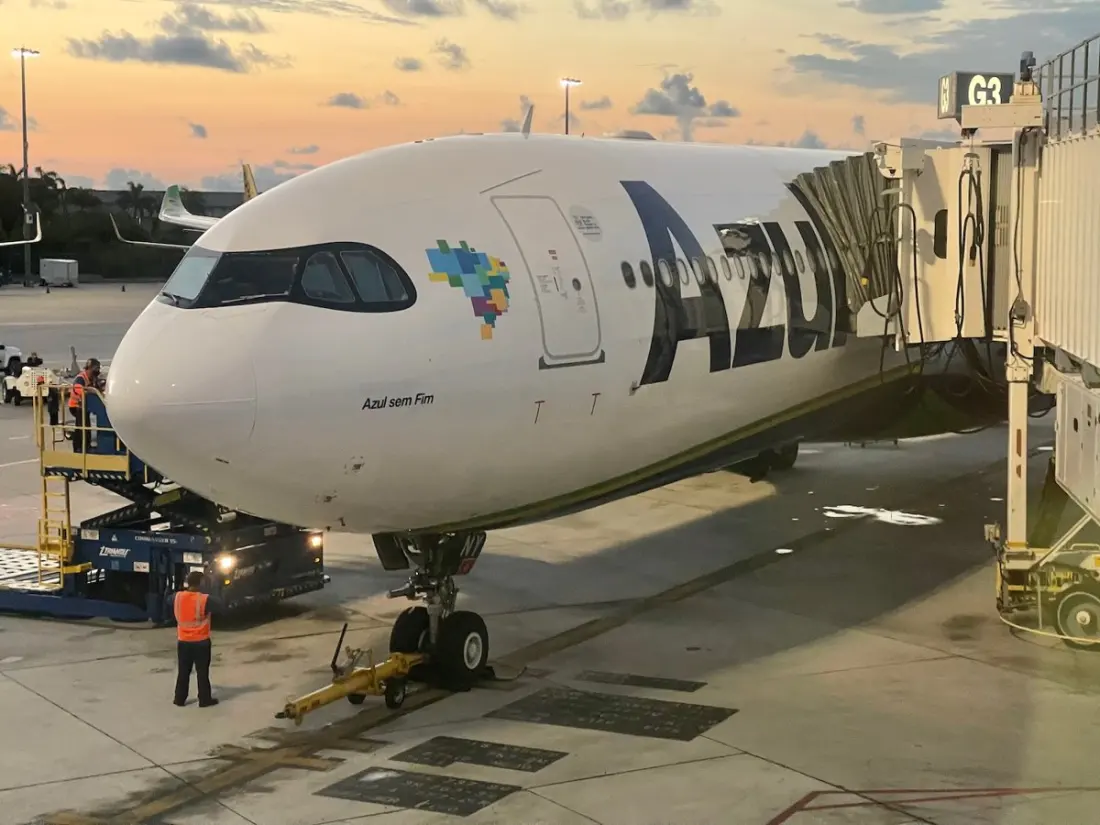
American Airlines has completed a $100 million investment in Azul, exercising warrants for roughly 31.8 million shares — about 7.9% of the Brazilian carrier. Brazil's antitrust regulator CADE approved the deal unanimously on October 7, American exercised its warrants on October 19, and alliance chief Jeff Ogar took the board seat vacated by Azul CEO John Rodgerson, as the warrant agreement required. Ogar also sits on the Strategic Committee, where he'll now share a table with representatives of United, which bought its own $100 million stake back in February through Azul's public offering.
The timing raised eyebrows. Azul announced the completed investment on October 20 — two days before American reported a third-quarter GAAP net loss of $269 million. Azul's own quarterly loss was even worse at $382 million. For context, American netted just $111 million in profit across all of 2025, so it essentially spent its entire annual earnings on this stake while chasing a 3.0x net debt to EBITDAR target. American's labor groups have noticed too: the profit-sharing pool for employees this year was $55 million, half of what went to Azul.
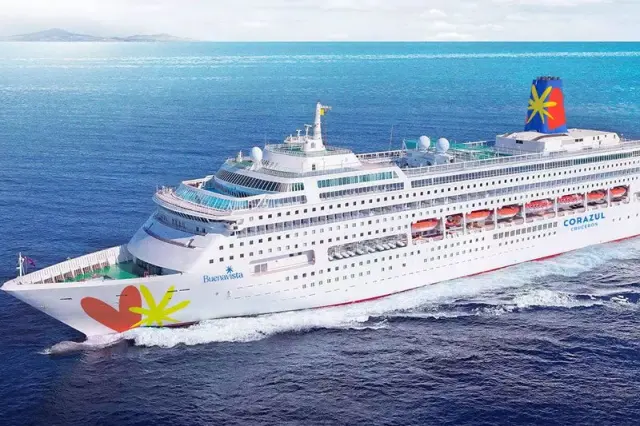
Why does a bankruptcy-recovering Brazilian airline attract two US giants? Azul emerged from Chapter 11 on February 25 after shedding about $2.5 billion in debt and lease obligations, raising $850 million in new equity plus $1.375 billion in exit notes. It's Brazil's largest airline — around 800 daily flights and 32 million passengers in 2025. As Azul president Abhi Shah put it at a May summit, having "two big brothers" brings capital, supplier leverage and connecting traffic from the world's biggest air market.
Not everyone is cheering. Abra, the group controlling Gol and Avianca, challenged the approval, citing ANAC data showing American, Azul and United together carried more than half of all Brazil–US passenger traffic every year from 2016 to 2025. CADE overruled the objection but tied approval to a Merger Control Agreement making earlier safeguards enforceable. Complicating the picture further: American already partners with Abra through Gol, and United partners with it via Star Alliance member Avianca.
What does this mean if you actually fly to Brazil? Nothing yet. The deeper commercial agreements — codeshares, interline deals, São Paulo connections — are still waiting on antitrust immunity, which Shah expected "in the next few months" as of May. If approved, the realistic upside is better connections onto Azul's extensive domestic network and the rare scenario where Azul flights could earn or redeem miles in both AAdvantage and MileagePlus. United's partnership is further along, so expect its benefits first. The less cheerful forecast from the source: fares between the US and Brazil are likely to rise as Azul consolidates its grip on the market.
The bottom line for travellers: watch the antitrust ruling, not the boardroom. If it lands, award availability and connections within Brazil should improve. If it stalls, American owns a minority stake that mirrors United's and little changes — at least for passengers.