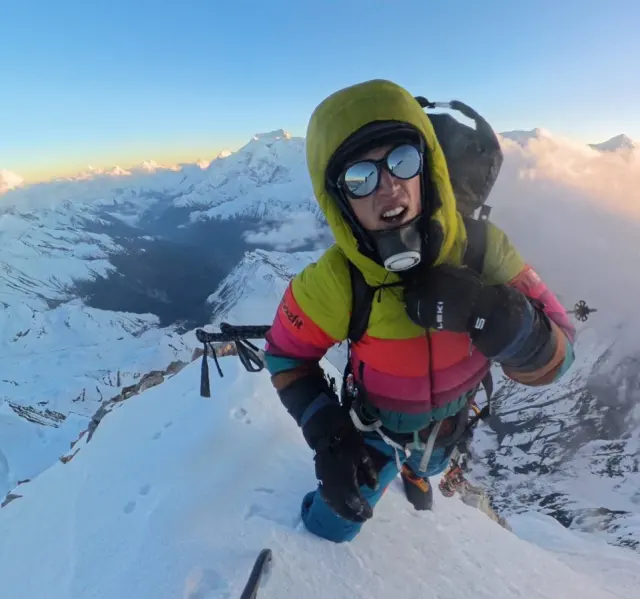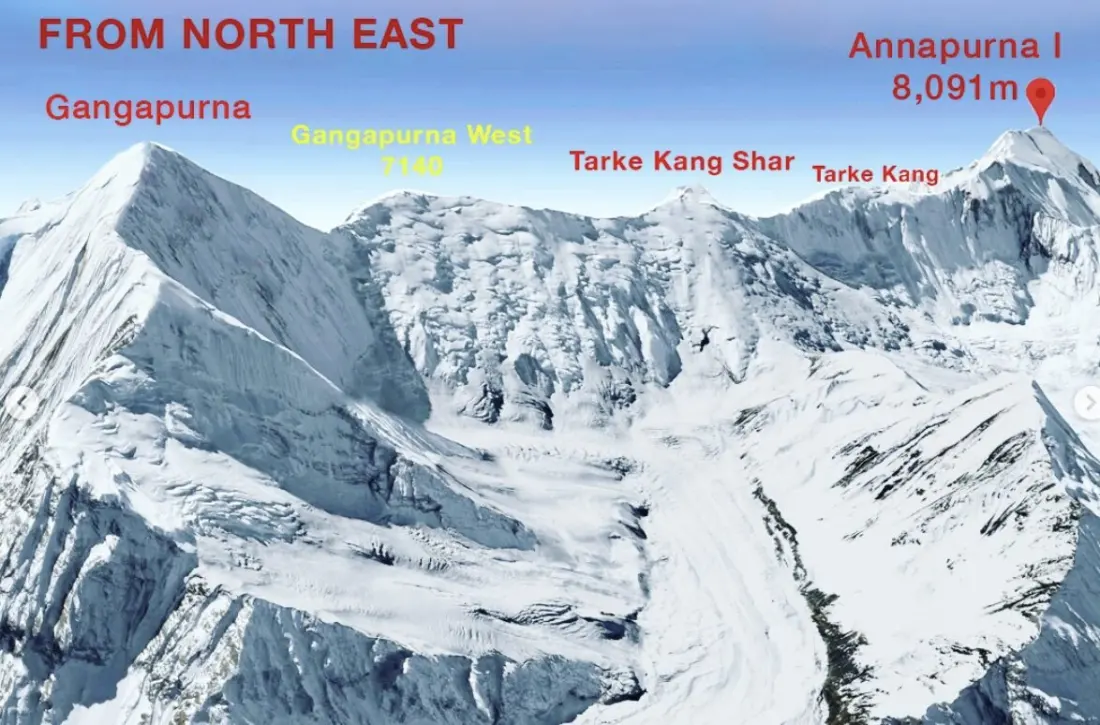
A helicopter rescue operation is sweeping the slopes of Gangapurna West, a 7,140-metre peak in Nepal's Annapurna region, after two Japanese climbers vanished there. Hidesuke Taneishi and Tetsu Hashimoto travelled to the mountain in September to attempt what is believed to be an unclimbed summit. They have not been heard from since October 15, according to Japanese media.
The timeline is worrying. When a major storm battered Nepal's high mountains roughly three weeks ago, observers assumed the pair had pulled back to base. That now appears not to have been the case, and there has been no contact since mid-October.
A Russian team on the mountain earlier this month added to the concern. Climbing towards the summit, they were turned around at about 6,800 metres by bad weather — but before descending, they reportedly found no trace of the Japanese climbers on the peak.
Manang's Chief District Officer, Mukti Prasad Khanal, has confirmed that an aerial search-and-rescue mission is underway. The challenge is the mountain itself: steep, technical terrain combined with worsening conditions makes both flying and spotting anything from the air extremely difficult.
Gangapurna West is a little-known summit that also goes by the names Asapurna and Peak Lachenal. It sits in the Annapurna region of northern-central Nepal, an area famous among trekkers for the Annapurna Circuit and among mountaineers for some of the Himalaya's most dangerous big mountains. Peaks of this scale in autumn are typically attempted during a narrow weather window between the monsoon and winter, and late-October storms can close that window abruptly.
For travellers, the story is a reminder of the reality behind the region's postcard scenery. The Manang district, where the peak rises, draws thousands of trekkers each season who pass beneath these summits on the way to Thorong La or Annapurna Base Camp. The same weather systems that ground a helicopter rescue also close high passes and strand trekkers, which is why anyone heading into the Nepalese Himalaya in October and November is advised to build weather buffer days into their route and register their plans with local authorities or their trekking agency.
The search continues, and hopes remain that the two climbers may yet be found in a sheltered spot awaiting rescue. High-altitude operations of this kind depend as much on a break in the weather as on the aircraft themselves.