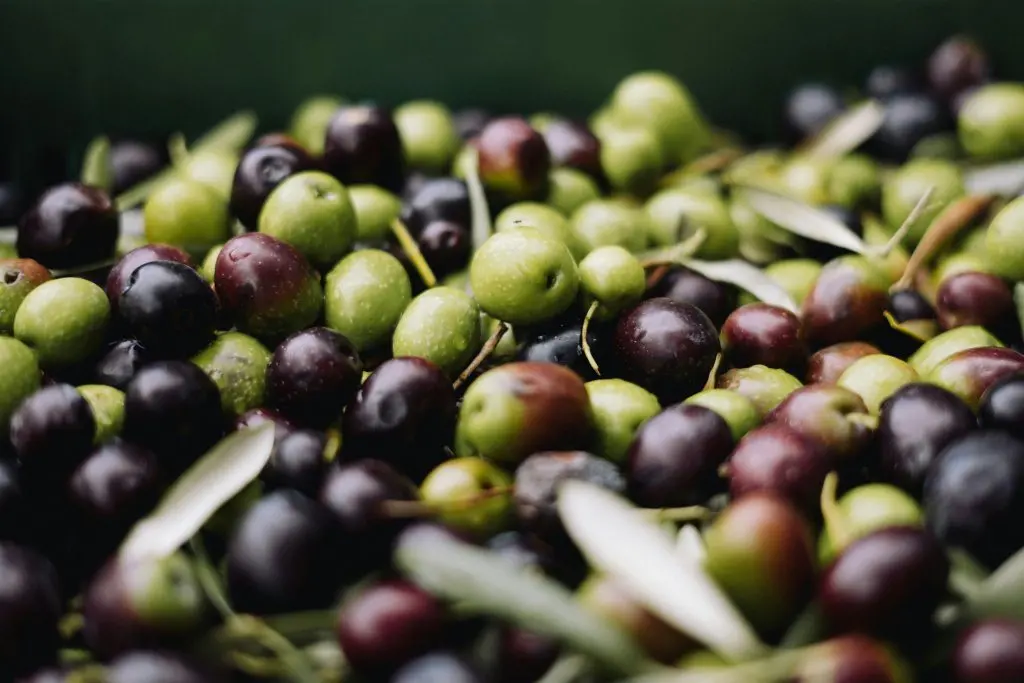
Spain's agriculture ministry has told olive oil mills to hold back 12% of the oil they produce from November, roughly 188,000 tonnes, in storage until 30 September 2027. The reason is unusual: not a shortage but a surplus. Forecasters expect the country's fourth-largest harvest on record, and growers worry that a flood of oil will push the prices they're paid down even further. Agriculture minister Luis Planas confirmed the temporary withdrawal is legal under EU rules and was requested by farmers themselves, adding that the government will watch for speculative trading while the measure runs its course.
The politics come with some local colour. Planas marked the announcement at the fiesta of the first oil (primer aceite) in Úbeda, Jaén province — the region that produces one in every five litres of olive oil worldwide. That makes Andalusia's olive heartland the natural anchor for this story, both economically and for anyone planning a food-focused trip to southern Spain.
For travellers, the practical takeaway is modest but real. Spain's olive oil prices have swung wildly in recent years, spiking during the drought-hit harvests of 2023 and 2024 before easing back. A bumper crop, even with some of it in storage, points toward more stable and generally favourable prices for the oil you buy at markets or see on restaurant tables in the coming season. Fresh, early-harvest oils — the prized "first oil" of November and December — should be plentiful and of high quality this year.
It's also a reminder of why the region is worth visiting in its own right. Úbeda and its neighbour Baeza, both UNESCO World Heritage towns, sit amid endless olive groves and host mills (almazaras) offering tastings and tours, especially lively during the autumn pressing season. Jaén's olive museums and the annual first-oil festivals give travellers a direct line to the trade that Spain's government just intervened to protect.