Spain is bracing for another record year, with 100 million international visitors expected in 2026 after 96.8 million arrivals in 2025. But rather than chasing raw numbers, the government is rewriting the playbook. Its new Tourism 2030 strategy, unveiled by Turespaña officials at Arabian Travel Market in Dubai, treats residents — not just visitors — as a core audience the industry has to serve.
The thinking is straightforward: tourism generates 12.6% of Spain's GDP and around three million jobs, but some places, in the words of Turespaña's Gulf region director Carlos Ruiz González, are 'dying of success'. Overcrowding, housing pressure and climate concerns have made overtourism a political issue in cities like Barcelona, while many inland and rural areas struggle with depopulation and barely register on most itineraries.
Tourism 2030 was drafted with input from more than 200 experts, businesses and government bodies, and it's structured as a full cross-government policy rather than a tourism ministry project. It rolls out through a series of two-year action plans covering economic, social and environmental sustainability. Five groups sit at its centre: residents, destinations, businesses, tourism workers and visitors.
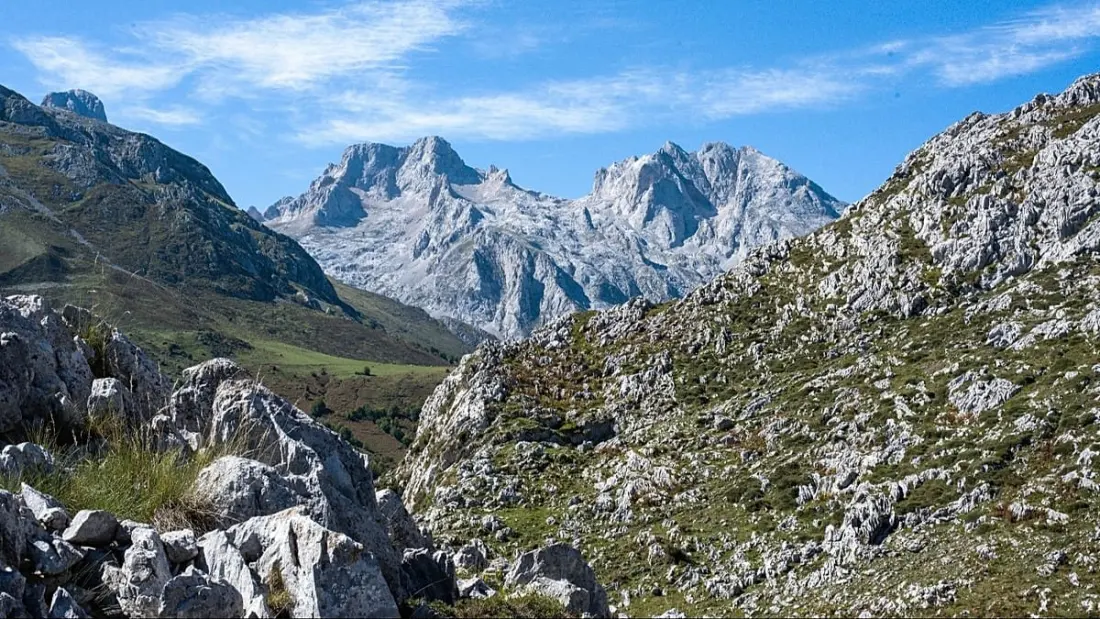
For travellers, the practical takeaway is a nudge away from the crowded coasts. Spain isn't discouraging anyone from its famous hotspots, but officials are actively promoting alternatives: hiking in the Pyrenees and the Picos de Europa, the Sierra de Guadarrama national park within easy reach of Madrid, and the historic cities and small towns of Castilla. Spain's high-speed rail network makes many of these places a straightforward day trip or weekend add-on from the major gateways.
The strategy also encourages slower trips and longer stays — fewer rushed city-hops, more time actually spent in a place. That aligns with what residents' groups have been asking for: visitors who shop in local shops, eat in local restaurants and don't price locals out of their own neighbourhoods.
Why it matters for your holiday: nothing is being banned and no one is turning tourists away, but the direction of travel is clear. If you want a head start on where Spain will be investing in infrastructure and promotion over the next few years — and places where your money supports communities that genuinely want more visitors — look inland, go slow and stay longer.
Story first reported by Euronews Travel.